



Contents:
- Where does the term ‘sensory diet’ come from?
- The origins and rationale behind the adoption of the term ‘sensory diet’ are as follows:
- What is a sensory diet?
- What kinds of stimuli are provided in a sensory diet?
- Who is the sensory diet intended for?
- When should a sensory diet be used?
- Sensory Processing Disorder (SPD)
- Autism spectrum disorder (ASD)
- Attention-deficit/hyperactivity disorder (ADHD)
- Problems with concentration and learning
- Difficulties with everyday activities
- Stressful or anxiety-inducing situations
- Rehabilitation following brain injuries or neurological disorders
- Problems with regulating emotions
- Stages of implementing a sensory diet in practice
- Who develops sensory diets?
- Why is it worth following a sensory diet?
- Related articles
Where does the term ‘sensory diet’ come from?
The term ‘sensory diet’ was introduced by Patricia Wilbarger, an American occupational therapist and specialist in sensory integration. Wilbarger developed this concept in the 1990s as part of her work with children and adults who had difficulties with sensory processing. She was a pioneer in this field, and her work aimed to support people with hypersensitivity or hyposensitivity to stimuli.
The term ‘sensory diet’ is derived by analogy with the concept of a ‘diet’ in relation to regular meals, which are essential for the body to function properly. Wilbarger recognised that, just as the body needs the right amount and type of food at regular intervals, so too does the nervous system need the right amount and type of sensory stimulation to maintain balance and function properly.
The origins and rationale behind the adoption of the term ‘sensory diet’ are as follows:
- An analogy with food – a diet refers to the planned and regular provision of nutrients that help the body to function. Wilbarger applied the same model to sensory stimulation – the planned and systematic provision of sensory stimuli, which are ‘food’ for the nervous system,
- individual sensory needs – just as different people have different dietary needs, so too do their sensory needs vary. Wilbarger developed the concept of a ‘sensory diet’ as a flexible tool that can be adapted to an individual’s specific needs – some people need more intense stimuli, whilst others need gentler ones,
- regulation of the nervous system – the aim of a sensory diet is to provide the right amount and type of sensory stimuli to help regulate the nervous system. People with sensory processing difficulties, such as hypersensitivity or hyposensitivity to stimuli, can benefit from a sensory diet to better control their reactions to their surroundings,
- systematic stimuli – just as with a regular diet, which involves eating at regular intervals, a sensory diet involves the regular provision of planned sensory stimuli (e.g. through exercises, sensory breaks, various types of activities) to meet a person’s sensory needs.
Wilbarger not only coined the term itself, but also developed many techniques and tools that are used in sensory therapies, including the Wilbarger Protocol (i.e. skin brushing and the application of deep pressure), which forms part of some sensory diets.
Do you need some help?
Sensory diet at the Dialog Centre for Children and Families
A personalised sensory activity plan for a child — a tool for use at home and at school that helps regulate arousal throughout the day.
What is a sensory diet?
A sensory diet is a plan comprising activities and strategies designed to support people who have difficulty regulating their sensory processes. Its aim is to provide the right amount and type of sensory stimuli to help regulate mood, behaviour and cognitive functions.
A sensory diet, just like a nutritional diet, must be individually and carefully tailored, well-balanced and followed systematically. Only then can it yield excellent results in the form of improved daily functioning and enhanced sensory comfort.
What kinds of stimuli are provided in a sensory diet?
A sensory diet may include the following forms of stimulation:
- tactile stimulation – involves tactile stimuli such as contact with different textures and materials, massage or gentle pressure. Examples:
- playing with kinetic sand or modelling clay,
- squeezing soft balls,
- body brushing, massages;
- Proprioceptive stimulation – this is stimulation of the proprioceptive system, which provides information about the body’s position and movements. It includes activities that engage muscles and joints, such as:
- dragging and pushing heavy objects,
- climbing, jumping on a trampoline,
- using a weighted duvet,
- a big hug;
- vestibular stimulation – involves stimuli relating to balance and movement that originate in the inner ear. Activities that provide this type of stimulation include, for example:
- swinging on a swing,
- spinning round on a swivel chair,
- rollerblading/skateboarding,
- jumping on a trampoline;
- Visual and auditory stimulation – these can help with sensory regulation when a person needs to wind down or be stimulated. These include:
- visual activities, such as: coloured lights, looking at pictures, visual games, jigsaw puzzles,
- listening activities, such as listening to your favourite music or listening to the gentle sounds of nature;
- Oral-sensory activities – chewing gum, biting, sucking, and eating foods of a specific texture (e.g. crunchy, soft) – can also provide appropriate stimuli and support self-regulation.
Who is the sensory diet intended for?
A sensory diet is a tool that can be used both preventatively and as an intervention at various stages of a person’s life. The most important thing is that it is strictly tailored to their needs and introduced under the supervision of a specialist, such as an occupational therapist. Here are the main groups for whom sensory diets are most beneficial:
- children with sensory processing disorder (SPD),
- people on the autism spectrum (ASD),
- children and adults with ADHD (Attention-Deficit/Hyperactivity Disorder),
- children with delayed motor development,
- people with anxiety and stress-related disorders,
- people with Down’s syndrome and other developmental disorders,
- people who have suffered brain injuries or other neurological damage,
- children and adults with learning difficulties.
Do you need some help?
Sensory diet at the Dialog Centre for Children and Families
A personalised sensory activity plan for a child — a tool for use at home and at school that helps regulate arousal throughout the day.
When should a sensory diet be used?
A sensory diet should be used when a person has difficulty processing sensory stimuli, which affects their daily life. Whether the issues relate to concentration, emotions, coping with the environment or everyday tasks, a sensory diet can be an effective tool to help regulate the nervous system and improve functioning.
Here are some specific situations in which a sensory diet may be necessary.
Sensory Processing Disorder (SPD)
A sensory diet is particularly helpful for people with sensory integration disorders, who may find it difficult to respond appropriately to sensory stimuli.
These symptoms include:
- hypersensitivity to sounds, touch, light or other stimuli (e.g. noise is too loud, clothes feel uncomfortable),
- hyposensitivity, which leads to a search for intense stimuli (e.g. children may squeeze objects tightly or cuddle very tightly),
- difficulties with concentration and organisation in sensory situations (e.g. at school or at work).
Autism spectrum disorder (ASD)
People on the autism spectrum often have specific sensory needs. Hypersensitivity or hyposensitivity to stimuli such as sounds, light, smells and touch can lead to sensory overload or difficulties with day-to-day functioning.
A sensory diet helps with:
- regulating excessive reactions to stimuli (e.g. avoiding noise, light, touch),
- meeting sensory needs through activities that provide appropriate stimulation (e.g. swinging, jumping, cuddling).
Attention-deficit/hyperactivity disorder (ADHD)
Children and adults with ADHD may find it difficult to regulate their arousal levels, which leads to problems with concentration and hyperactivity.
A sensory diet can help with:
- improving concentration and organisation by providing appropriate sensory stimuli (e.g. breaks for physical activities that help pupils focus on their tasks),
- regulating hyperactivity through proprioceptive exercises (e.g. carrying heavy objects, tugging).
Problems with concentration and learning
A sensory diet can be used for children who have difficulty concentrating at school or whilst studying, particularly if this is due to hypersensitivity or hyposensitivity to sensory stimuli.
Examples include:
- A child who is easily distracted in noisy surroundings may need regular sensory breaks (e.g. using sensory balls, a short physical activity),
- A child who avoids activities involving touch, such as writing or painting, may benefit from sensory exercises that gradually help them get used to different textures.
Difficulties with everyday activities
If a child or adult has difficulty carrying out everyday activities such as getting dressed, eating, having a bath or falling asleep, a sensory diet can help meet their sensory needs and make it easier for them to carry out these activities. Examples:
- A child who does not like wearing certain items of clothing because of tactile hypersensitivity can use tactile exercises to reduce their sensitivity,
- A person who finds it difficult to fall asleep due to overstimulation may find a weighted duvet helpful, as it provides deep pressure and has a calming effect.
Stressful or anxiety-inducing situations
People who experience excessive stress or anxiety may often find it difficult to process sensory stimuli, which exacerbates their emotional problems.
A sensory diet can help:
- in reducing stress through sensory relaxation techniques (e.g. massage, listening to quiet, soothing music),
- in coping with sensory overload in places full of stimuli (e.g. a crowded school, a noisy office).
Rehabilitation following brain injuries or neurological disorders
People who have suffered brain injuries, strokes or other neurological disorders may have difficulty with sensory processing. A sensory diet supports the rehabilitation process by helping people cope better with stimuli and improving their cognitive and physical abilities.
Problems with regulating emotions
A sensory diet can help people who find it difficult to regulate their emotions, such as children who get frustrated easily, lose their temper or have trouble calming down. Appropriate sensory stimuli can help them to calm down or achieve the right level of arousal.
Do you need some help?
Sensory diet at the Dialog Centre for Children and Families
A personalised sensory activity plan for a child — a tool for use at home and at school that helps regulate arousal throughout the day.
Stages of implementing a sensory diet in practice
- Assessment of individual needs
An occupational therapist or sensory integration specialist first assesses the individual’s sensory needs. Reactions to various stimuli are examined to understand in which areas hypersensitivity or hyposensitivity is present.
- Planning activities
Based on this assessment, the therapist draws up an individual plan in which selected sensory activities are incorporated into the person’s daily routine. These activities are tailored to the person’s specific needs and are designed to calm, stimulate or improve concentration.
- Implementation and consistency
Sensory activities are carried out regularly, often at set times of the day. For example, a child might take a ‘sensory break’ during a lesson at school to reduce tension, improve concentration and reset the nervous system. These activities can also be incorporated at home or during leisure time.
- Monitoring and modifications
The occupational therapist monitors progress and adjusts the sensory diet as required. If certain activities do not produce the expected results, or if the person’s sensory needs change, the plan may be adjusted.
Who develops sensory diets?
Sensory diets are made up of:
- occupational therapists – professionals specialising in psychomotor development who help children and adults to cope with everyday challenges through appropriate activities and exercises,
- sensory integration specialists – therapists who have gained additional qualifications in sensory integration therapy, with a focus on supporting people with sensory processing disorders,
- psychologists and special needs teachers – they sometimes work alongside occupational therapists to draw up a support plan, particularly when working with children in schools or special needs centres.
It is important to bear in mind that an accurate diagnosis and assessment of the patient’s sensory profile are essential; that the diet should be tailored to the daily routine of the patient and their family; and that cooperation between the therapist, the parents and the educational institution is crucial.
Do you need some help?
Sensory diet at the Dialog Centre for Children and Families
A personalised sensory activity plan for a child — a tool for use at home and at school that helps regulate arousal throughout the day.
Why is it worth following a sensory diet?
Here are the main reasons why it is worth following a sensory diet:
- Improved regulation of emotions and behaviour
A sensory diet helps to maintain emotional balance and good behaviour, particularly in people who find it difficult to process sensory input.
It can help people who are either hypersensitive or hyposensitive to sensory stimuli to:
- to relieve tension and excessive agitation,
- reducing the stress response resulting from sensory overload,
- increased tolerance to stimuli, which enables better functioning in everyday settings (e.g. at school, at work, at home).
- Reducing sensory overload
People who are hypersensitive to sensory stimuli, such as noise, touch or light, can quickly feel overwhelmed. A sensory diet provides appropriate stimuli in a controlled manner, helping to reduce the overload that leads to anxiety, frustration or withdrawal.
Example: a child who avoids physical contact due to hypersensitivity may gradually become accustomed to gentle tactile stimuli by playing with kinetic sand or other materials with a pleasant texture, which will, over time, help them to reduce their fear of physical contact.
- Supporting concentration and attention
A sensory diet can improve concentration and the ability to focus on tasks, which is particularly helpful for people with ADHD or learning difficulties. By providing appropriate stimuli, a sensory diet helps to regulate arousal levels and organise mental activity.
Example: A child with ADHD may find it difficult to sit still for long periods. Incorporating proprioceptive activities, such as carrying heavy objects or using a sensory ball, can help them ‘burn off’ excess energy and improve their concentration.
- Support for motor development
Sensory activities, such as movement games, massages and proprioceptive exercises, help to develop motor skills and coordination. This is important for children with developmental delays who need support with their physical development.
Example: a child with motor coordination difficulties can benefit from vestibular activities (e.g. swinging, rolling) and proprioceptive activities (e.g. pushing, carrying) to improve their balance and precision of movement.
- Increasing tolerance to stimuli
A sensory diet helps people with sensory hypersensitivity to gradually increase their tolerance to various sensory stimuli, such as noise, touch, light and textures. This enables them to feel more at ease in their surroundings.
Example: a child who finds it difficult to wear certain items of clothing due to hypersensitivity to fabrics can gradually get used to different materials by touching and wearing them in a controlled environment.
- Reducing anxiety and stress
For people with anxiety or emotional disorders, a sensory diet can provide relaxation techniques that help to reduce stress. Appropriate sensory stimulation, for example through weighted blankets, gentle massage or listening to relaxing music, can bring comfort and a sense of security.
Example: someone who has difficulty falling asleep due to being overly stimulated may find a weighted duvet helpful, as it provides deep tactile stimulation, helping to calm the body and mind.
- Help with everyday tasks
A sensory diet can make everyday tasks – such as eating, getting dressed or having a bath – easier for people who have difficulty with sensory integration. By providing appropriate stimuli, the sensory diet helps to develop strategies that make it easier to cope with everyday life.
Example: a child who cannot tolerate certain food textures can use tactile and oral exercises to gradually get used to different textures and flavours.
- Improving quality of life
By improving sensory regulation, a sensory diet helps people to function better in their daily lives, increasing their comfort and ability to take part in various activities. This can improve their overall quality of life by reducing the difficulties associated with sensory stimuli.
Example: a person who has avoided crowded places due to hypersensitivity to noise and light may, through appropriate sensory exercises, gradually increase their tolerance to stimuli, enabling them to participate comfortably in social life.
- A personalised approach and flexibility
A sensory diet is tailored to each person’s individual needs, which means that its components are flexible and can be adjusted depending on how that person’s sensory needs develop.
Example: a child who initially responded to intense tactile stimuli may, over time, require gentler stimulation or need to switch to a different type of stimulus as their needs change.
Bibliography:
- Odowska-Szlachcic, B., and Górka-Pik, N., Sensory Strategies in Eating and Speaking, Harmonia Universalis, Warsaw.
- Wiśniewska, M., Daily Sensory Activity Programmes (SAP) as part of a sensory diet. Strategies and practical solutions for certified sensory integration therapists, Harmonia Universalis, Warsaw.
- Przyrowski, Z. (ed.), Sensory Integration: An Introduction to Theory, Diagnosis and Therapy, Empis, Warsaw.
- “The introduction of a sensory diet in the treatment of a child with sensory integration disorders …” – an article in the journal *Sensory Integration in Practice*.
- “Supporting the treatment of children with sensory processing disorders …” – an article in the journal “Disability – Resources – Challenges”.
- Okrzasa, M., ‘A sensory diet for an adult: a case study. Therapeutic interventions in the field of sensory integration’, OKNO Foundation.
- Kapuścińska-Kozakiewicz, J., ‘Sensory diet at school and at home’, *Głos Pedagogiczny*.
- “Sensory diet – supporting SI therapy”, an article published on the Fiklon website.
- “Sensory diet – a programme for children”, text on the RUDEK website.
- “The sensory diet – what is it and how is it linked to sensory integration disorders?”, an article on the BadamyDzieci.pl website.
Read more
Related articles

Psychomotor development (children aged 0–3 years)
A child’s psychomotor development is a process in which the child develops both their mental and motor skills during the first three years of life. This is a period of rapid change, during which a child reaches many milestones in the development of their motor, cognitive and social skills. During the first three years of […]

Snoezelen, or the Sensory Room
1. Introduction The senses form the basis of every person’s development. They provide information about the world around us. Without them, none of us could develop. However, some people are unable to respond to them appropriately, whilst others have lost these abilities due to an accident or illness. For these people, the world can be […]

Sensory integration disorders – how can you recognise them and support your child?
Every day, a child’s brain receives hundreds of stimuli – sounds, images, smells, touch, sensations from movement and from within the body. If they can make sense of them, the little one learns and plays without any major difficulties. However, when a child’s nervous system becomes ‘overwhelmed’ by this flood of signals, everyday activities can […]

Sensory overload – symptoms, causes and ways of coping
Sensory overload is a condition in which the nervous system receives more stimuli than it is able to process effectively. It can affect anyone, but is particularly common amongst highly sensitive people, those with neurodiversity, and those living under chronic stress. It manifests itself both physically and mentally, affecting day-to-day functioning, relationships and well-being. In […]

Social skills training for children
Social Skills Training, abbreviated to TUS, can be described, in the simplest terms, as active therapy in the form of workshops, which are conducted in groups of people of a similar age or with a similar level of functioning. The aim of TUS is to develop emotional and social skills through modelling (i.e. learning by […]
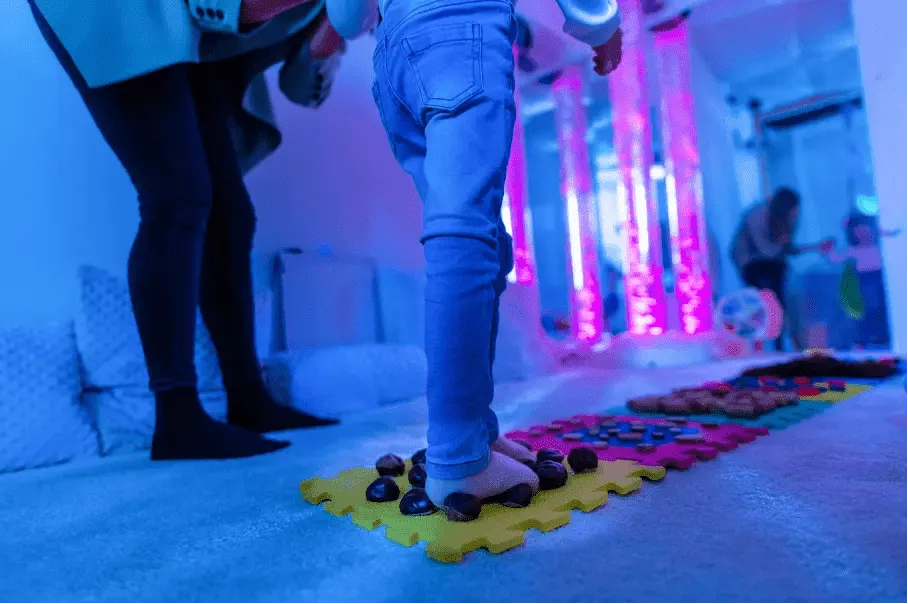
Sensory Integration in the Snoezelen Room
A sensory room, also known as a ‘Snoezelen sensory room’ or simply a ‘Snoezelen room’, is a specially designed space intended to create an environment that stimulates the senses whilst providing a sense of safety and relaxation. These rooms are often used when working with people with a range of needs, including those with developmental […]
Do you need some help?
Sensory diet at the Dialog Centre for Children and Families
A personalised sensory activity plan for a child — a tool for use at home and at school that helps regulate arousal throughout the day.
Book a consultation