


Diagnostic package
Initial assessment appointment
2 hoursA detailed interview with the parents, which helps specialists assess the child’s development and identify characteristics typical of the autism spectrum — based on information from the very first days of life.
Second diagnostic appointment
2 hoursA standardised diagnostic tool based on observing a child’s behaviour and communication in a playful setting.
The third diagnostic meeting
1 hourA detailed assessment of a child’s intellectual development and cognitive potential. The assessor may also request a report from the child’s educational institution regarding how the child functions within a peer group.
Summary
1 hourDiscussing the results with parents and providing feedback with recommendations for further work.

Are you ready to get started?
The first step is a pre-diagnostic consultation. Please book a suitable appointment online or give us a call.
Following the diagnosis
You’ve got your results – what next?
A diagnosis is not the end, but the start of a structured support pathway. Step by step, we guide you through each stage — from discussing the results to providing practical support at nursery or school.
A visit to a child and adolescent psychiatrist
With a full report of the test results, you will be referred to a child and adolescent psychiatrist, who, on the basis of a detailed assessment prepared by a psychologist, will make a diagnosis and issue the necessary certificates. The psychiatrist may also initiate any necessary pharmacological treatment in the event of co-occurring difficulties.
A special educational needs assessment or an opinion on WWR
On the basis of the assessment and psychiatric diagnosis issued by CDDiR Dialog, parents may apply for a decision on the need for special educational needs or an assessment regarding early childhood development support (WWR). These documents are issued by the relevant Public Psychological and Pedagogical Counselling Centre.
Practical support in nursery and school
The assessment or report obtained enables the child to receive appropriate support at nursery or school — including funding for therapy, a personalised learning pathway or the assistance of a support teacher.
Do you need to see a psychiatrist following your diagnosis?
We have special additional appointment slots for patients who have recently been diagnosed. Please book an appointment with a child and adolescent psychiatrist online or by telephone.
A diagnosis is the first step
Tailored therapy
Once a diagnosis of Autism Spectrum Disorder (ASD) has been made, it is crucial to put in place appropriate support to help the child function better in their day-to-day life — at home, at school and in their relationships with peers. At the Dialog Centre for Children and Families, we offer professional therapeutic support tailored to the individual needs of the young patient and their family. We provide individual and group therapy, supporting the development of emotional and social skills. We also run workshops for parents of children on the autism spectrum.
Specific services for your child

Child and adolescent psychologist

Child and adolescent psychiatrist

TUS – Social Skills Training

Workshops for parents of children on the autism spectrum

Advice for parents

Family therapy

Would you like to start with a consultation?
You don’t have to wait for a diagnosis to get support. Book your first appointment and we’ll plan the next steps together.
Why choose us?
Why should you choose a psychological assessment
at the Dialog Centre for Children and Families?

A decision or a right to temporary protection could be granted up to a dozen or so months sooner
By choosing to undergo a diagnostic assessment at CDDiR Dialog, you significantly speed up the process of obtaining a decision on the need for special educational needs or an opinion on Early Developmental Support (WWR). By having a full assessment carried out with us, you won’t have to wait for many months in a queue for your first diagnostic appointments at the Public Psychological and Pedagogical Counselling Centre. You can approach the PPP with a ready-made diagnosis and a medical certificate — this means access to therapy, specialist support and appropriate forms of assistance at nursery or school is accelerated by as much as several months.


The benefits of diagnosis
How does an ASD
diagnosis help the child and their family?
Understanding a child’s needs
A diagnosis explains the reasons behind your child’s behaviour. It is the first step towards stopping you from blaming your child (and yourself) for situations over which you had no control.
Support in nursery and school
A formal diagnosis paves the way for a decision or assessment regarding special educational needs: funding for therapy, an individualised educational programme and support from a support teacher.
Building self-esteem
Realising that difficulties are not down to ‘malice’ or ‘laziness’ helps a child regain their self-confidence and feel accepted just as they are.

A more peaceful everyday life at home
Once you understand what really lies behind challenging behaviour, it becomes easier to adapt routines, communication and a predictable daily schedule. Parents who are better informed are able to respond more calmly and effectively.
Personalised support plan
A diagnosis enables the right forms of support to be selected: therapy, social skills training or strategies for managing sensory stimuli. This support is tailored to the individual child.
Early intervention = better prognosis
The sooner a child receives a diagnosis and the right support, the greater the chance that they will be able to fulfil their potential — in their development, in their relationships and in their future adult life.
Articles
Have a look at our articles on this topic

Autism spectrum assessment – a step-by-step guide to diagnosis
Autism is a complex issue, and the subject is attracting increasing interest amongst both parents and professionals working with children and adults. More and more children are being referred to specialist clinics on the suspicion that their development is different, with the child’s difficulties being particularly evident in social interactions, communication or behavioural patterns. This […]
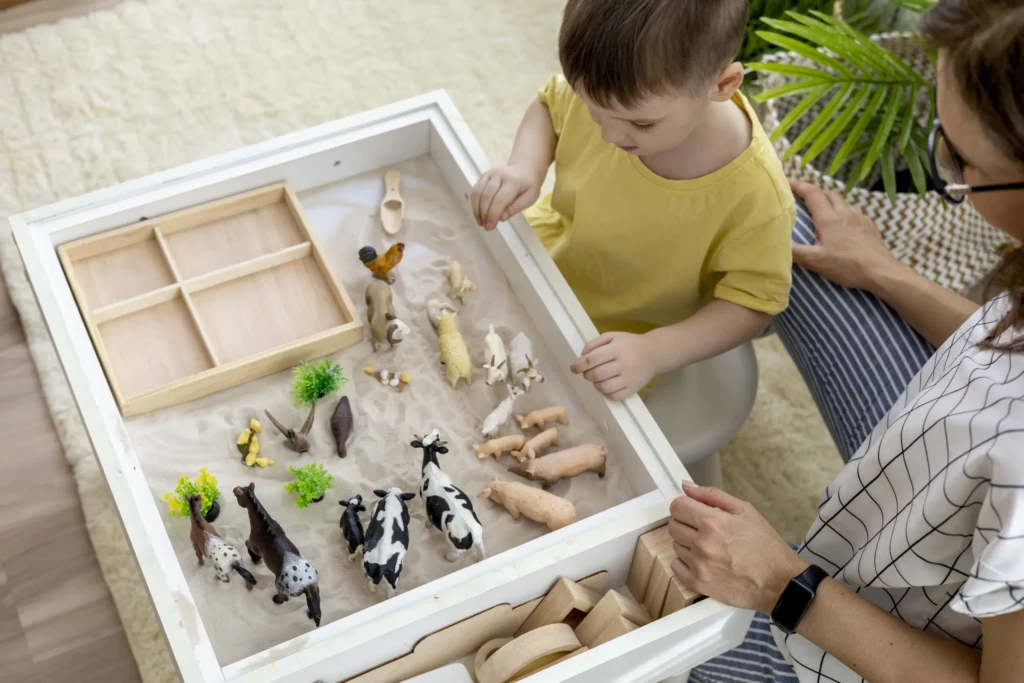
What rules out Asperger’s syndrome – factors in the differential diagnosis
Asperger’s syndrome – an autism spectrum disorder Asperger’s syndrome is a neurodevelopmental disorder classified within the autism spectrum, characterised by a different pattern of social and communicative development. It is not a disease in the medical sense, but rather a different pattern of brain development. The term derives from the name of the Austrian paediatrician […]
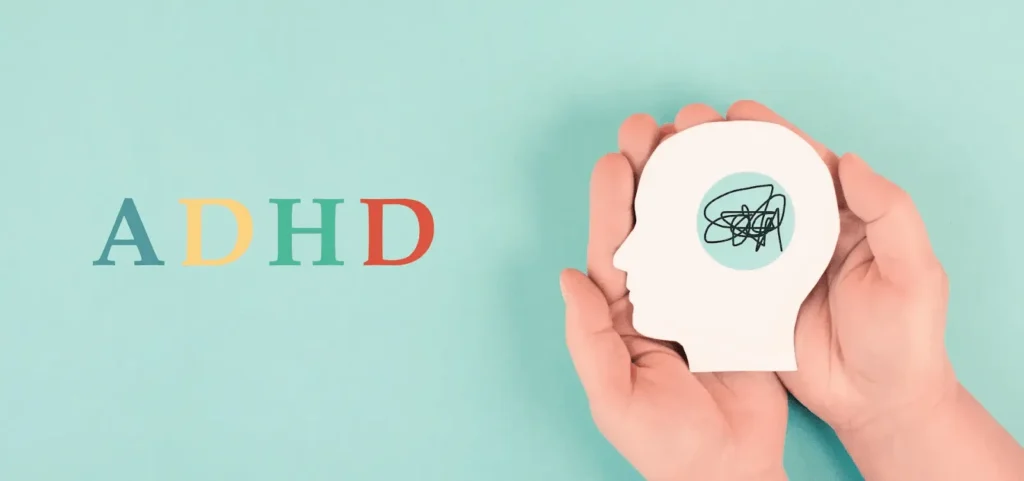
ADHD and autism – similarities and differences in functioning
Autism and ADHD are two neurodevelopmental disorders which, despite having different diagnostic criteria, can often occur together and co-occur in the same person. Modern diagnosis and in-depth assessment are making it increasingly possible to distinguish between their characteristic symptoms and to identify instances where they may occur together or overlap in the functioning of children […]