


Assessment of dyslexia, dysgraphia and dysorthography
(ages 6–18)
Is your child struggling with reading and writing? This assessment package will provide the answer
-
You are starting the diagnosis
1 pre-diagnostic appointment and
3 diagnostic appointments -
The result puts an end to all doubts!
A full assessment, clear conclusions and a comprehensive discussion during a separate meeting
-
A comprehensive range of solutions
Recommendations for school and home are just part of the plan for positive change.
A dyslexia assessment at the Dialog Centre for Children and Families involves:
We have the status of Non-Public Psychological and Pedagogical Counselling Centre No. 44P
On the basis of a dyslexia assessment issued by Non-State Educational Psychologist’s Centre No. 44P, the school is obliged to adapt the educational requirements and assessment methods to the pupil’s needs, enable them to take part in support classes and provide reasonable adjustments during examinations.
A comprehensive diagnostic process
We begin our standardised process with an in-depth consultation with the parent. We then assess the child for both dyslexia and intelligence. This ensures an individualised and detailed diagnosis.
Only trusted psychologists
At the Centre for Children and Families, you can be sure that you will only meet verified psychologists– child and adolescent diagnosticians, certified child therapists and experienced child psychiatrists who have undergone a rigorous, multi-stage recruitment process.
A child- and youth-friendly space
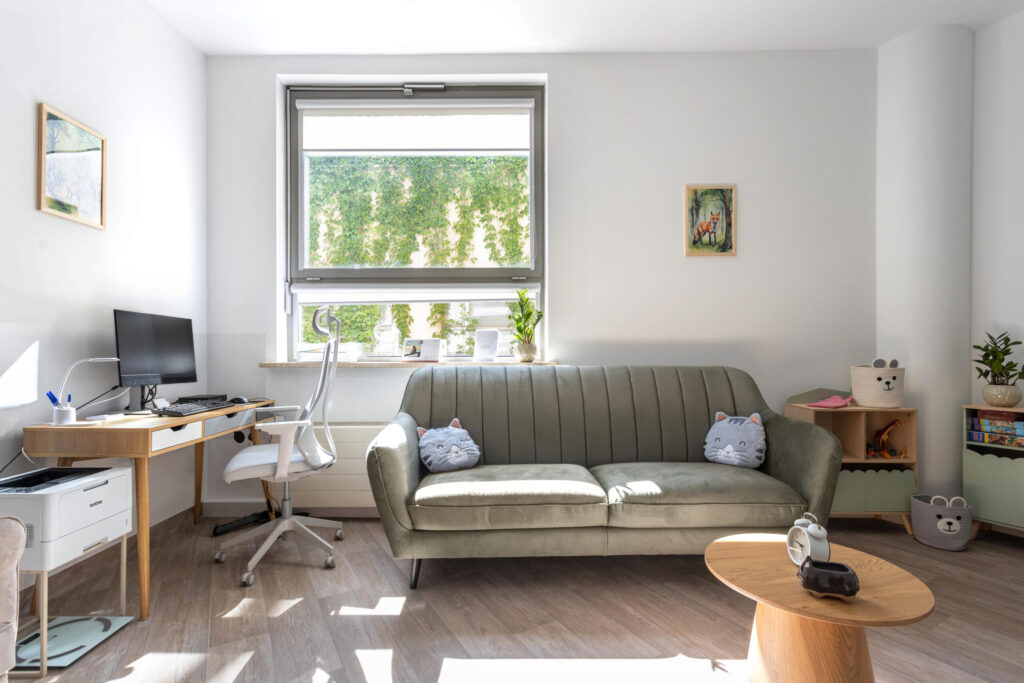
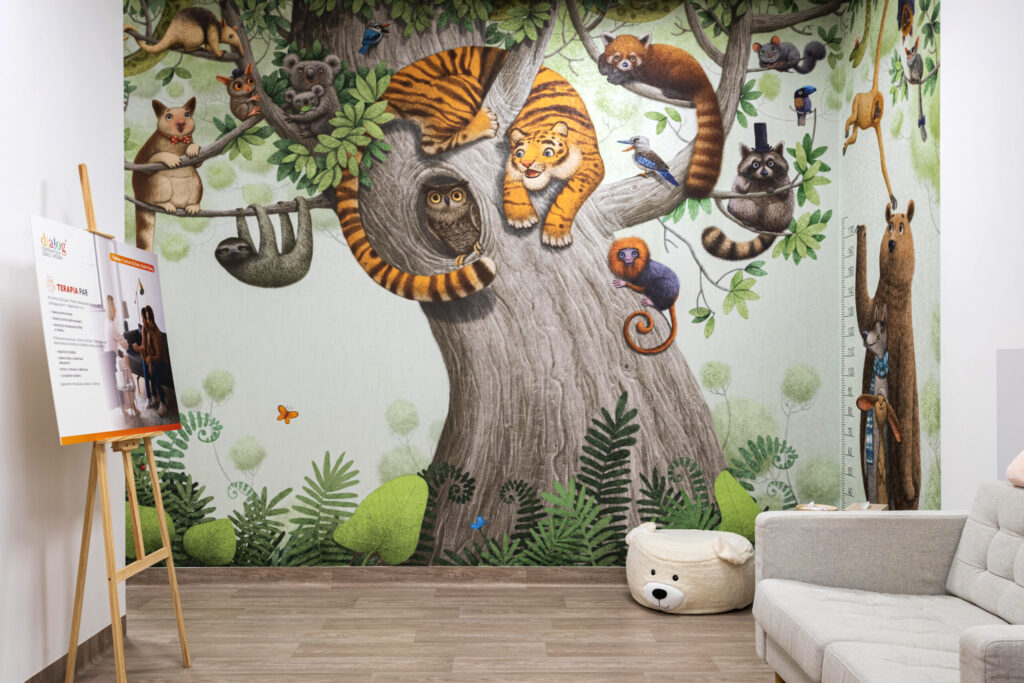
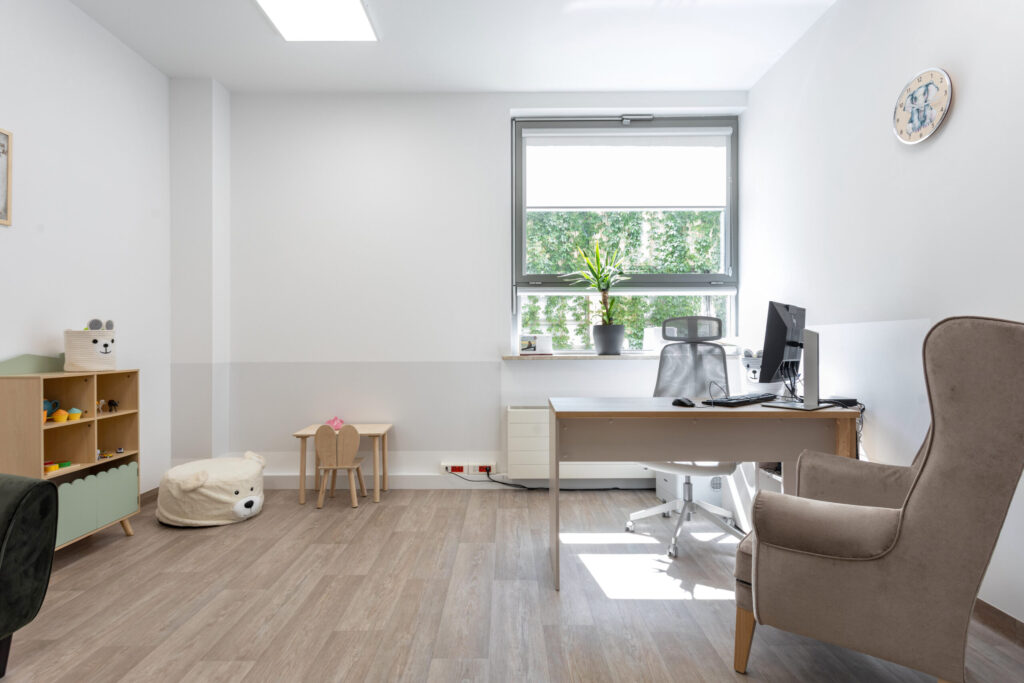
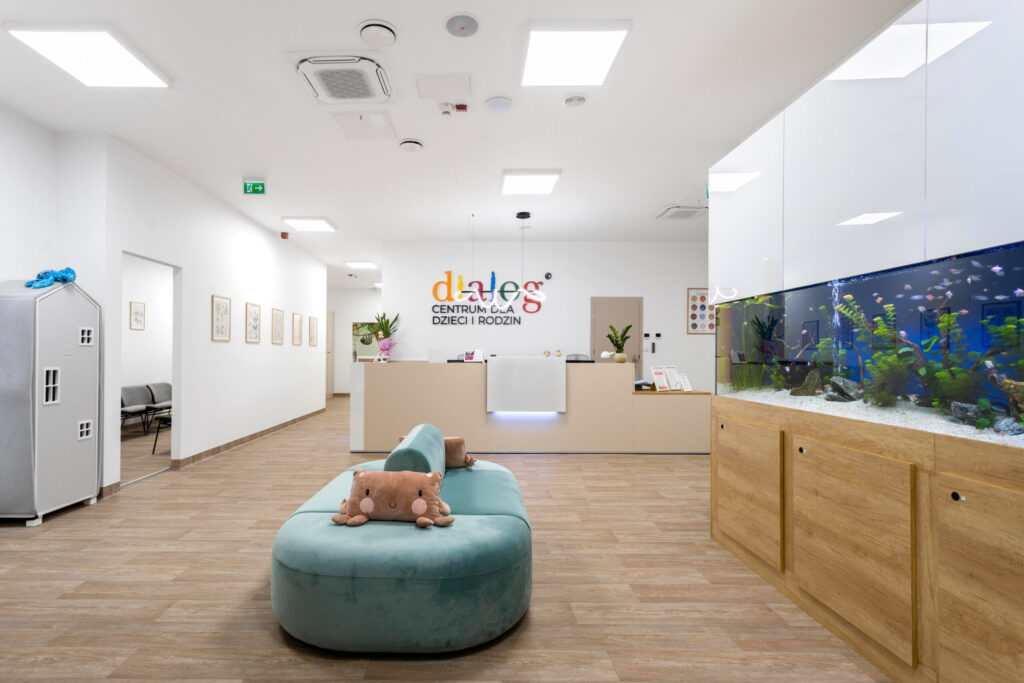
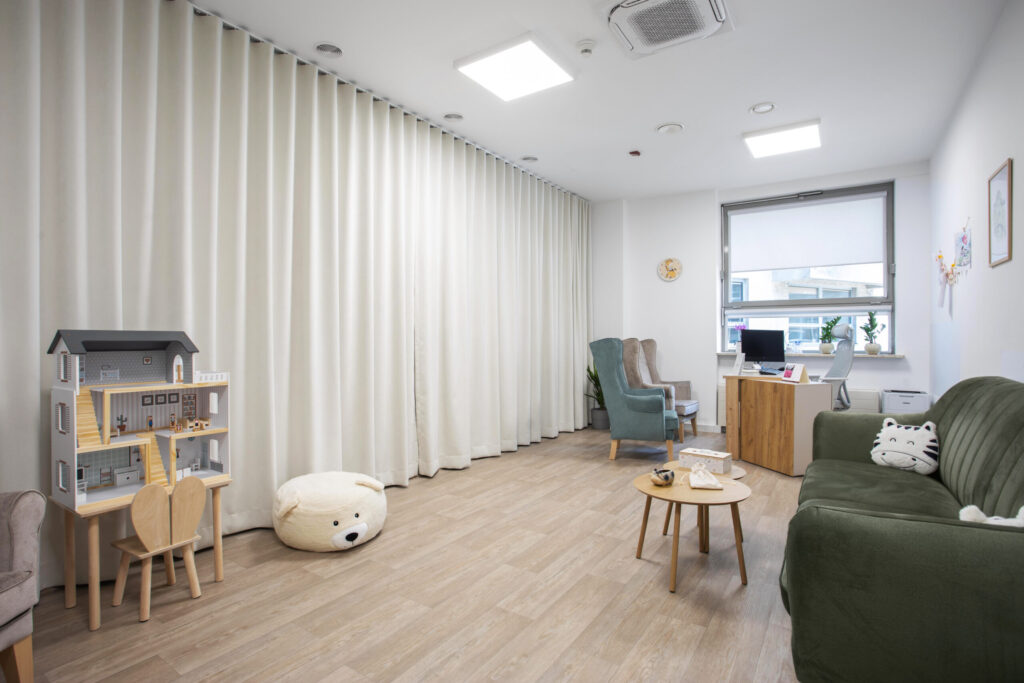
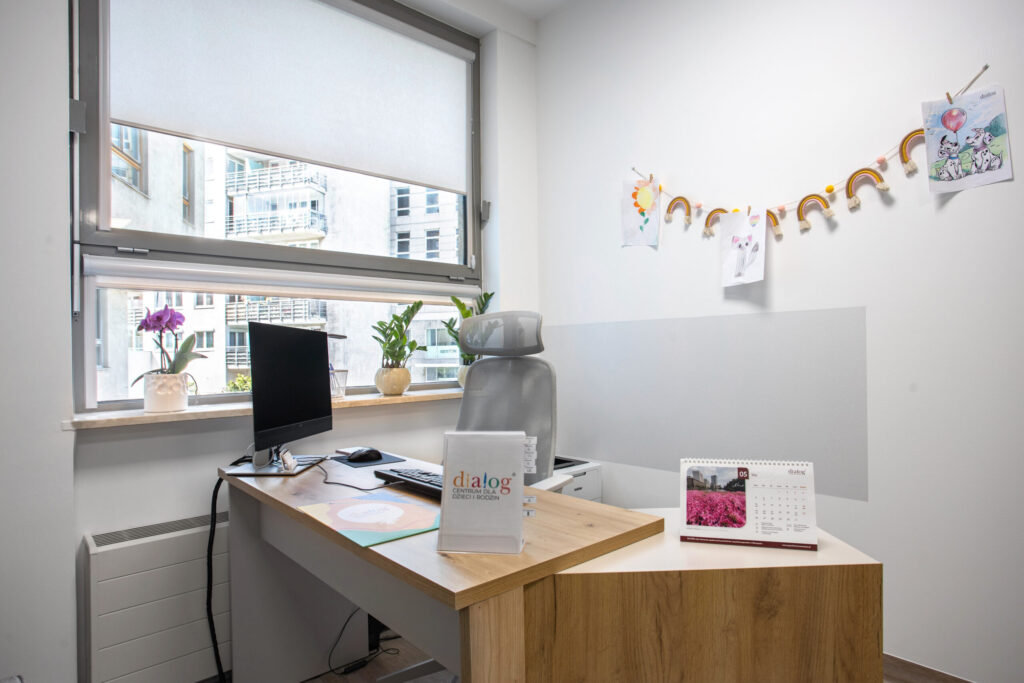
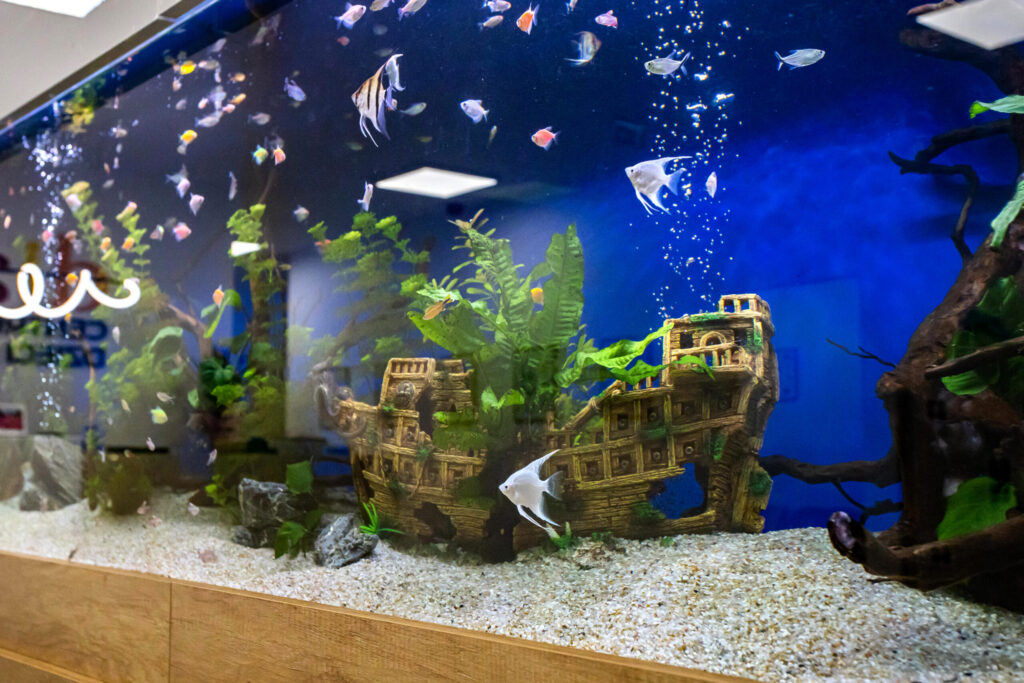
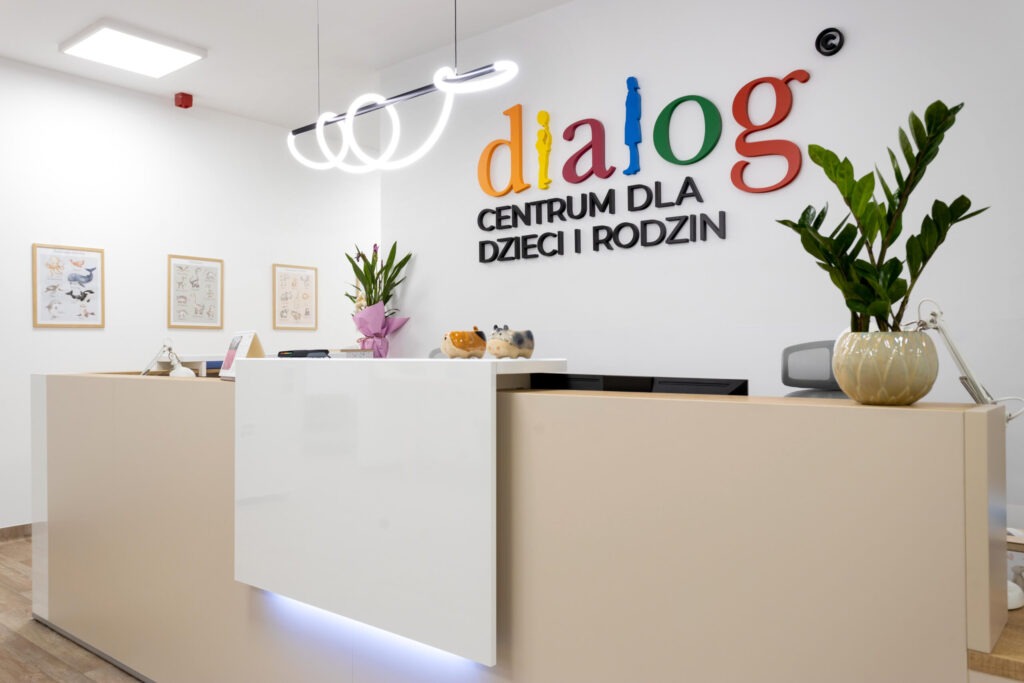
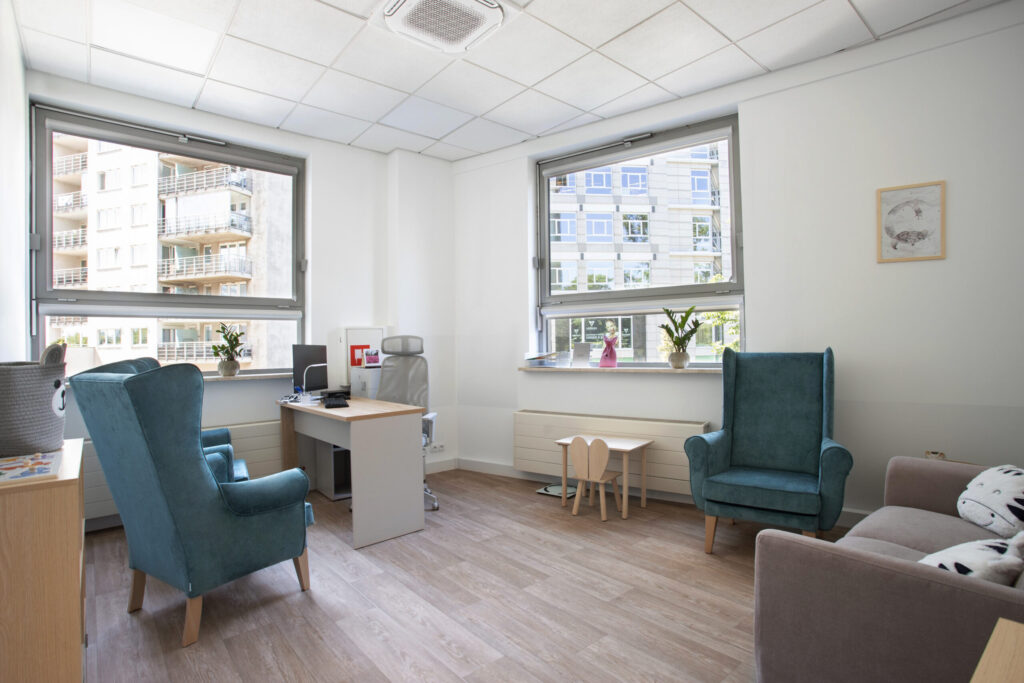
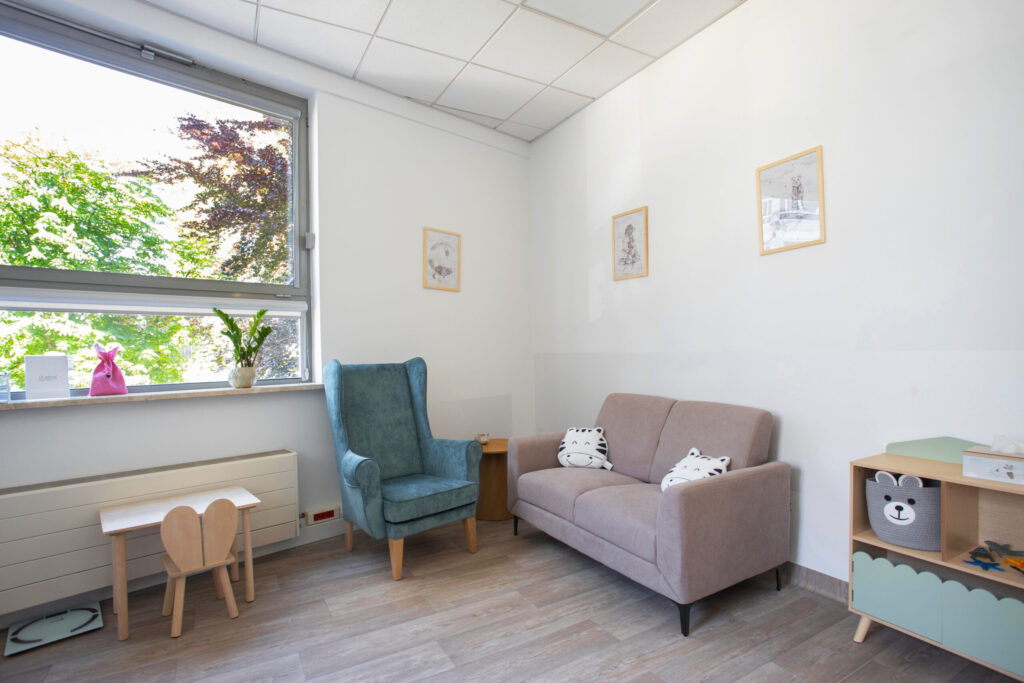
The surgery rooms are designed with young patients in mind; there is also a spacious play area and a waiting room with a large, interesting aquarium.
Practical information
Price
1,400 zł
+250 zł for a pre-diagnostic consultation
Number of visits
1 pre-diagnostic
appointment, 3 diagnostic appointments
Location
19 Słomińskiego Street, Warsaw (next to the Arkadia shopping centre)

Agreements
Dyslexia assessment
What’s in it for you?
A formal diagnosis
recognised by schools, counselling centres, the National Health Fund (NFZ) and the Central Examination Board (CKE). Ensuring that both the learning process and the examinations are adapted accordingly.
Personalised recommendations
Both educational and therapeutic. Above all, this knowledge helps the child to cope with the challenges of everyday life.
The family’s full support
A diagnosis often brings a sense of relief. Realising that no one is ‘to blame’ allows us to change our circumstances for the better.
How does a diagnosis of dyslexia help a child and their family?
Understanding the reasons behind the difficulties
Parents and the child learn that difficulties with reading and writing are not due to laziness or a lack of effort, but to a specific, diagnosed disorder. This often brings relief and reduces tension at home and in relations with teachers.
Better support at school
A child diagnosed with dyslexia may: be allowed extra time for tests, write shorter essays, be assessed more leniently on spelling, and use a computer instead of writing by hand, if necessary. This makes school a fairer and less frustrating experience.
It enables treatment and support
The child can take part in remedial and compensatory classes to help them overcome difficulties with reading and writing. Parents can also learn how to support their child at home.
Better planning for future education
By understanding a child’s strengths and weaknesses, it is easier to choose suitable learning methods and a suitable pace of work, and in the future – for example, a secondary school or a career – that will be in line with their abilities.
When should you have your child assessed for dyslexia?
An assessment for dyslexia should be carried out when a child
He has difficulty with writing and reading
He studies regularly, but reads very slowly, does not understand what he has read, and mixes up letters.
He makes a lot of spelling mistakes and, despite practising, is unable to write from dictation.
He avoids reading, gets discouraged easily, and says that he ‘can’t do it’ and ‘hates writing’.
Book a dyslexia assessment
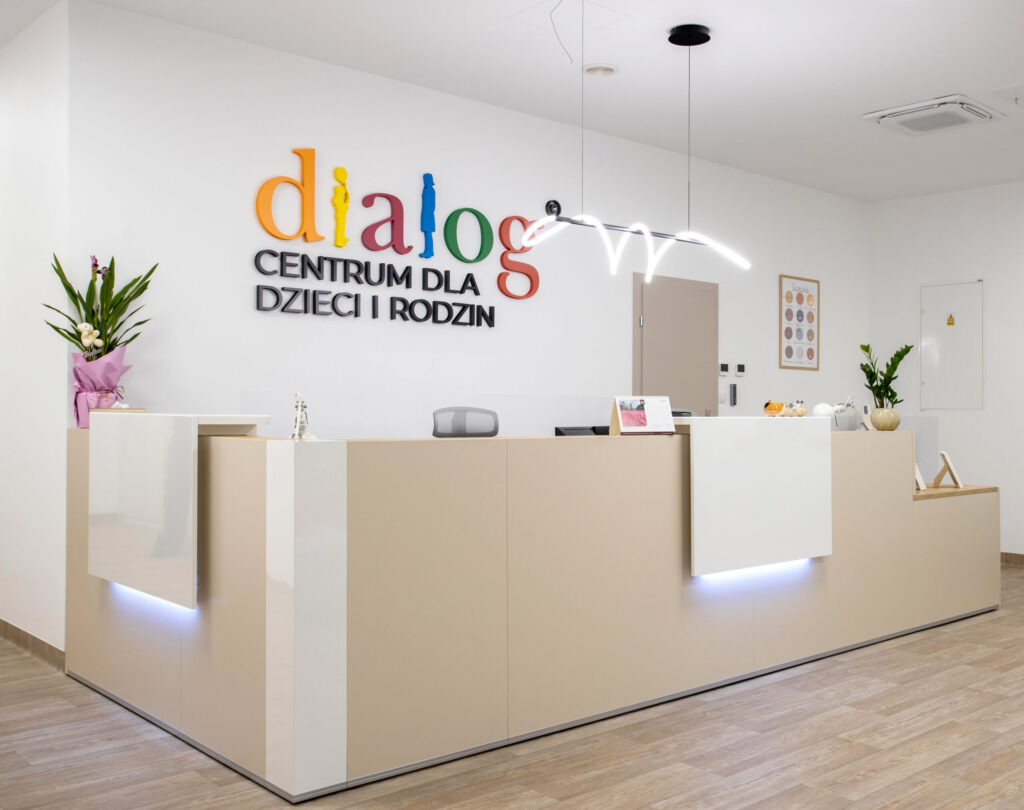
We provide a safe space for conversation
Find out where your child will meet with a specialist.

FAQ
1. What symptoms might indicate that my child has dyslexia?
Dyslexia may be indicated by difficulties with reading (e.g. slow pace, omitting letters, lack of comprehension), numerous spelling mistakes despite having learnt the rules, confusing letters that look similar (e.g. b–d, p–g) and a reluctance to write and read.
2. At what age is it best to have a child assessed for dyslexia?
It is
best to do this between Years 2 and 4 of primary school – this is when the assessment is most reliable, and the child can quickly receive the learning support they need.
3. Can a child with dyslexia do well at school?
Yes – provided they receive the right support, and that teachers and parents understand the difficulties they face; many children with dyslexia learn well and achieve success if they are allowed to work at their own pace and use adapted learning methods.