


Dialog Centre for Children and Families
Sensory Integration Assessment, Warsaw
STEP BY STEP
What does the
sensory integration assessment process look like from start
to finish?
A SMALL CHILD
Diagnosis of Sensory
Integration in Young Children
For children aged 1 to 4. It is based on clinical observation and a discussion with the parent. It has been adapted to suit the abilities of very young children.
500 zł
+250 zł for a pre-diagnostic consultation
2 diagnostic appointments
CHILDREN AND YOUNG PEOPLE
Sensory Integration Assessment
For children aged 4 and over and young people. Comprehensive assessment using standardised tests and an evaluation of motor function.
800 zł
+250 zł for a pre-diagnostic consultation
3 diagnostic appointments
Diagnosis of Sensory Integration in Young Children
Pre-diagnostic consultation with a parent
We begin every diagnostic process with a pre-diagnostic consultation. This is an opportunity to take a detailed medical history and plan subsequent appointments with the child. The pre-diagnostic consultation is charged separately and is not included in the price of the diagnostic package.
Initial assessment appointment
about 1 hourThe therapist observes the child whilst they engage in free and guided activities in a room equipped with therapeutic equipment. We assess how the child responds to various types of stimuli: touch, movement, gravity and sound. The parent may be present at all times, which often helps the child to feel safe and at ease.
Overview of the diagnosis
about 1 hourWe discuss our observations and conclusions with the parent. We answer any questions. We provide written recommendations for work at home and guidance on next steps, including possible sensory integration therapy or other forms of support.

Would you like to book an appointment for a young child?
Book a date or give us a call
Sensory Integration Assessment
Pre-diagnostic consultation with a parent
We begin every diagnostic process with an initial consultation. This is the time to take a detailed medical history and plan subsequent appointments with the child. The pre-diagnostic consultation is charged separately and is not included in the price of the diagnostic package.
Initial assessment appointment
about 1 hourThe therapist observes the child during a structured activity in the sensory integration room. We assess their responses to stimuli, motor planning, balance and tactile processing. The assessor may ask a teacher or form tutor to complete a questionnaire in order to gain an understanding of how the child functions in a school setting.
Second diagnostic appointment
about 1 hourWe carry out standardised tests to assess sensory processing and motor functions. These are tools recommended for the diagnosis of sensory integration, which provide an objective picture of a child’s functioning based on age-related norms, rather than on subjective assessment.
Overview of the diagnosis
about 1 hourWe discuss the results with the parent and answer any questions they may have. We provide a written report setting out our conclusions and specific recommendations for work at home and at school, as well as advice on further support measures.
Book a sensory integration assessment for your child
Book an appointment or give us a call. The first step is a pre-diagnostic consultation, during which we’ll plan the whole process together.
SCOPE OF DIAGNOSIS
What do we check during the diagnosis?
Children with sensory processing difficulties may react to their surroundings in unusual ways;
for example, they may be very sensitive to sounds or touch, or, conversely,
intensely seek out stimuli (movement, pressure, sensations). During the assessment, we observe
how the child perceives and organises sensory information in their day-to-day life.

Touch

Balance and movement

Body awareness (proprioception)

Sight

Hearing

Taste and smell
What sets us apart
A diagnostic and treatment room fully equipped right up to the ceiling
A sensory integration assessment requires a space where a child can move freely, swing, balance and experiment with various stimuli. At the Dialog Centre for Children and Families, we have created a room in which every element supports diagnostic and therapeutic work.




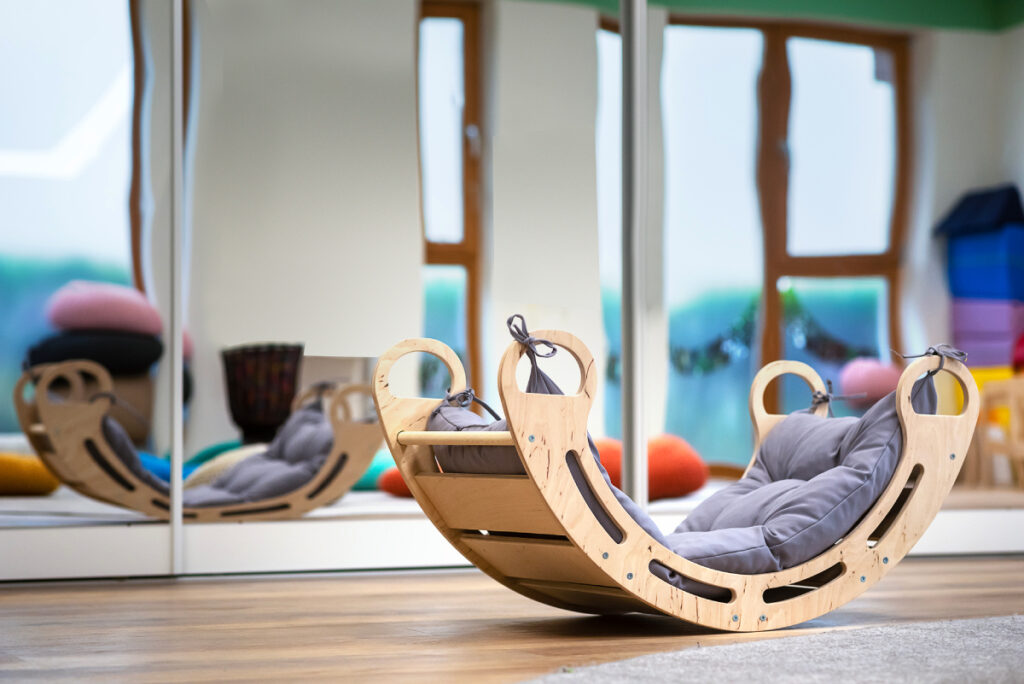
THERAPEUTIC SPACE
Take a look inside
The interiors of our Centre
Below are some photos of our sensory integration room and the ‘World Experience Room’ at the Dialog Centre for Children and Families in Mokotów.
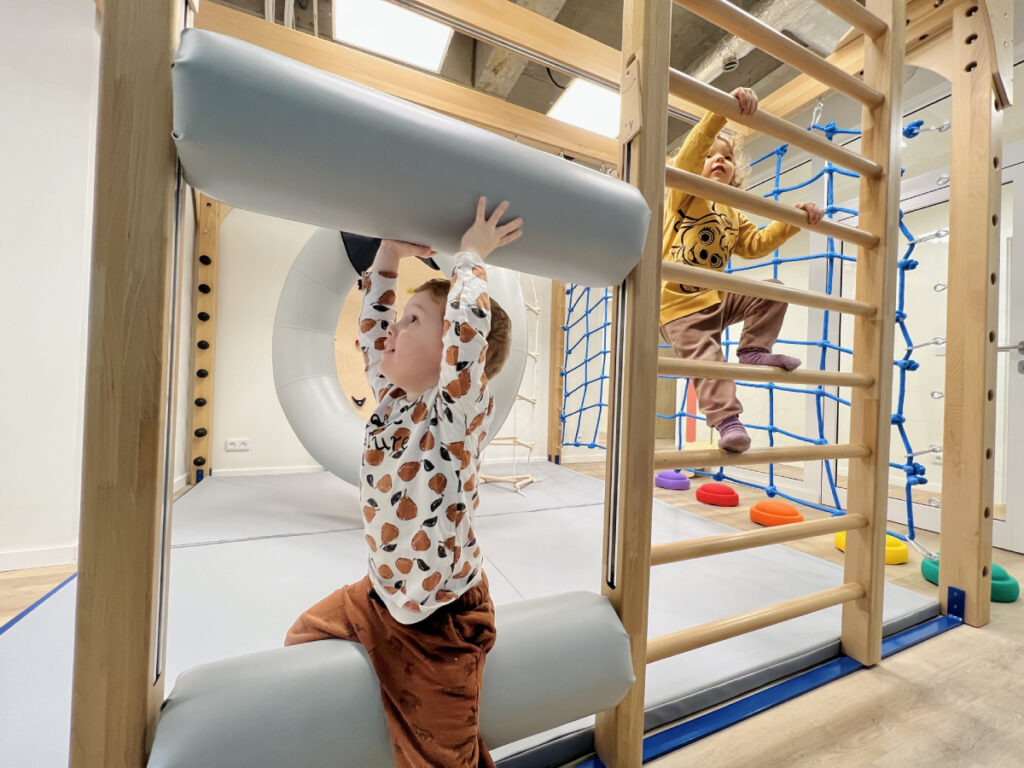
Sensory Integration Room
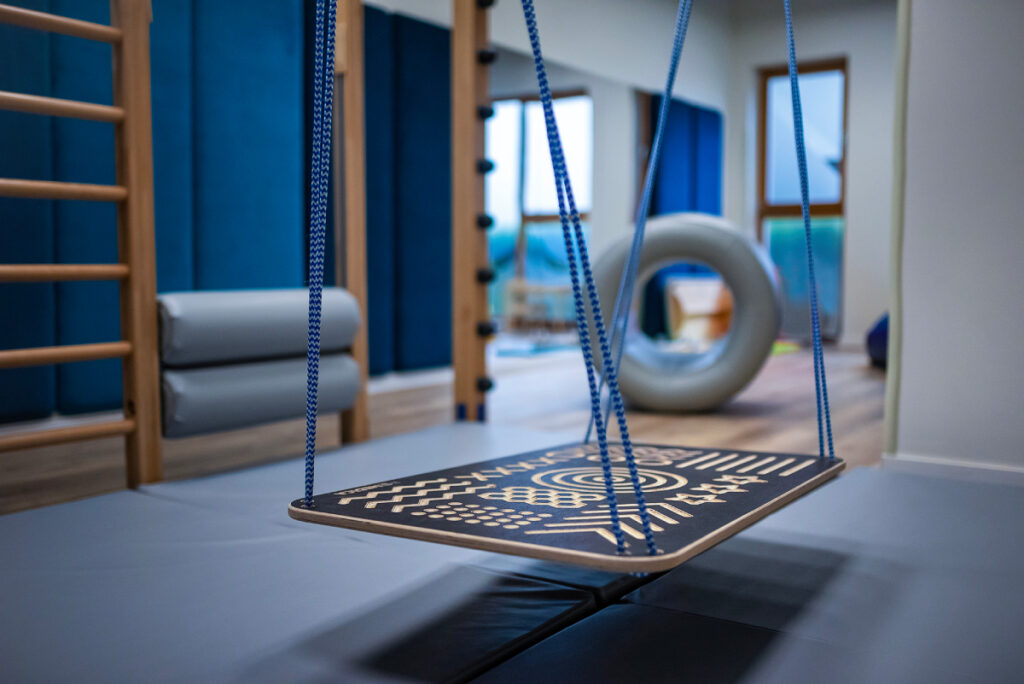
Proprioceptive zone
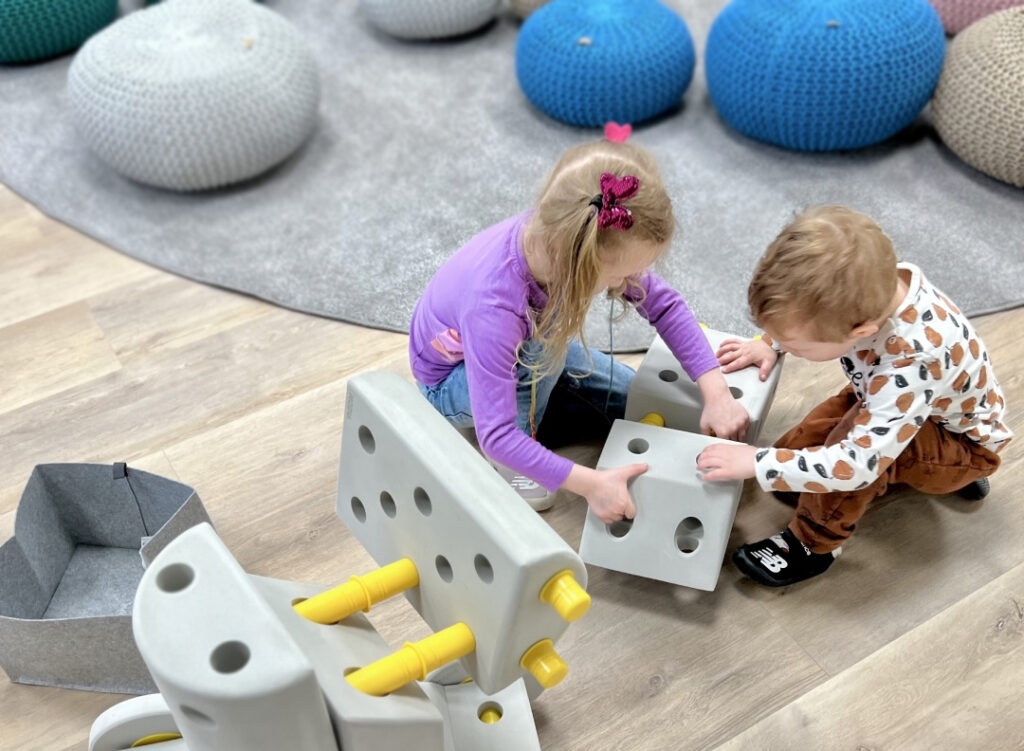
Sensory materials
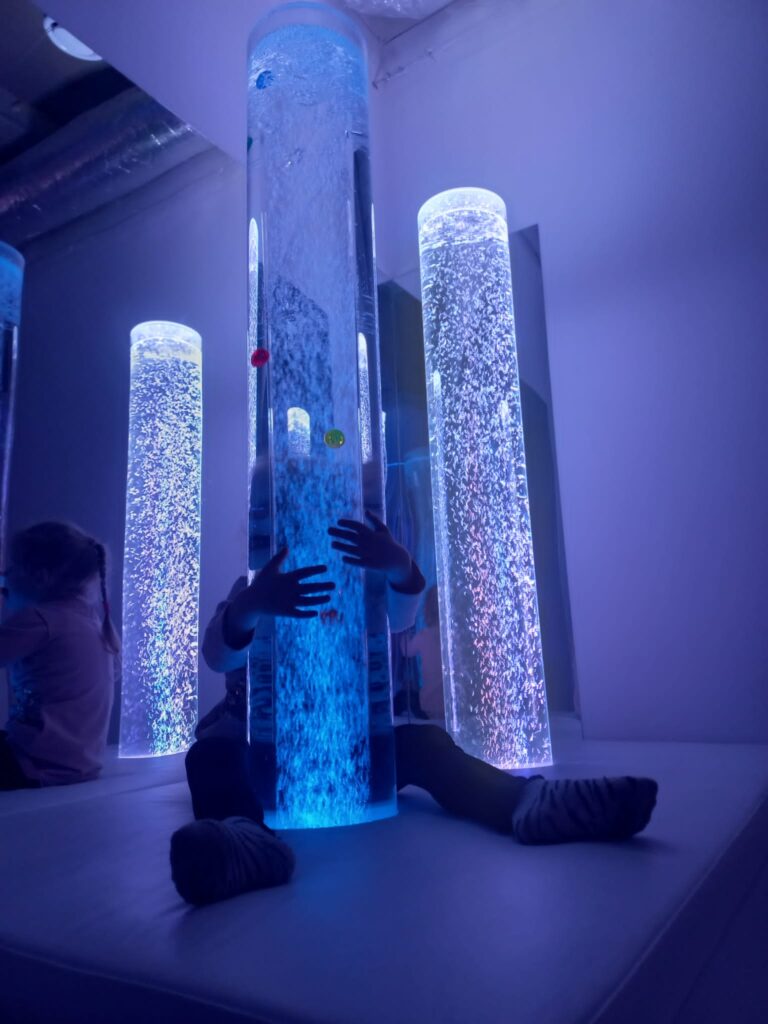
Snoezelen room
A diagnosis is just the beginning
A comprehensive support pathway, all in one place
The results of the assessment form the basis for drawing up a treatment plan. At the Dialog Centre for Children and Families, we ensure that work with the child continues within the following specialisms, without the need to change centres.
What we offer following a diagnosis

Sensory Integration Therapy
Hand therapy
Sensory Integration and Physiotherapy

Sensory diet
Snoezelen Room
Support for parents

Start with a consultation; you don’t have to decide on a full diagnosis straight away
If you’d like to speak to a therapist before making a decision, we invite you to come for a sensory integration consultation as a first step.
Why Dialogue?
Why should you choose a sensory integration assessment at the Dialog Centre for Children and Families?
There are many centres offering sensory integration therapy in Mokotów and Śródmieście. The real difference lies in what happens after the first session and what options are available to you afterwards.




Articles
Have a look at our articles on this topic

Hyperactivity – symptoms, causes and ways of coping
Hyperactivity is a term that is cropping up more and more frequently in discussions about the mental health of children, young people and adults. It is sometimes equated solely with an excess of energy, but in reality it is a far more complex phenomenon. It can affect emotions, behaviour, concentration and day-to-day functioning at home, […]

Sensory overload – symptoms, causes and ways of coping
Sensory overload is a condition in which the nervous system receives more stimuli than it is able to process effectively. It can affect anyone, but is particularly common amongst highly sensitive people, those with neurodiversity, and those living under chronic stress. It manifests itself both physically and mentally, affecting day-to-day functioning, relationships and well-being. In […]