


Let’s take a look together at what you can’t see in the surgery
Observing a child at nursery or school: let’s get to know their world within a peer group
Professional psychological support in your child’s natural environment.
We understand what you’re going through
Home is a safe haven, but it is one’s peer group that presents the first challenges
Sometimes the difficulties a child faces only become apparent once they join a peer group. Things may be going perfectly well at home, yet it is in nursery or school that a child faces new social, emotional and academic challenges.



About the service
Find out how your child really behaves — observation at the nursery
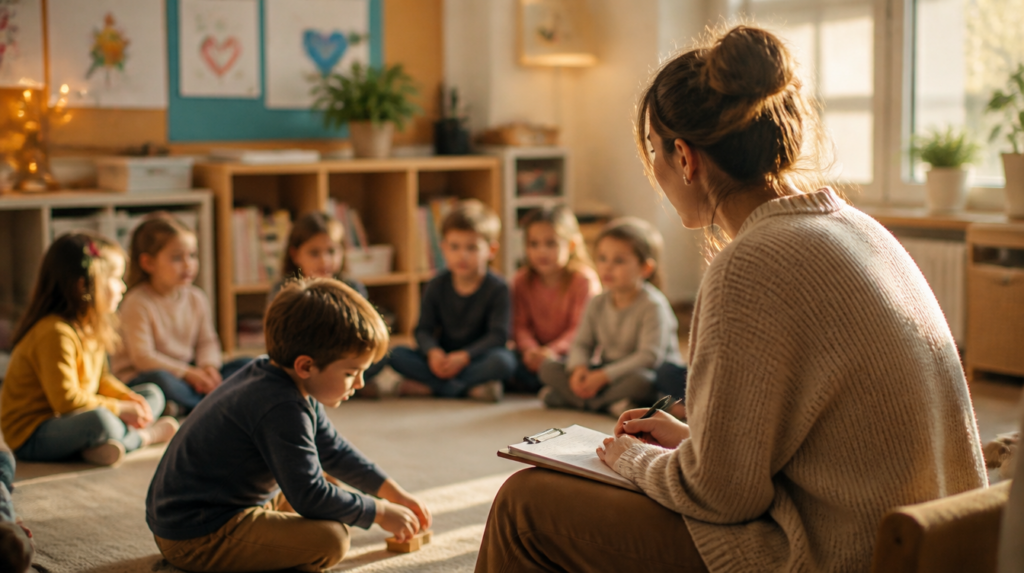
At the Dialog Centre for Children and Families, we offer a unique service involving the observation of a child within an educational setting. Our experienced child psychologist visits your child’s nursery or school to observe how they function in their natural, everyday environment.
The observation always takes place in consultation with the school and in support of the work of the teachers and the school psychologist — we do not replace them, but provide an outside perspective that helps to combine the views from home and the educational setting into a single, coherent picture.
≈ 2 hours
in the child’s group
Who is this service for?
Find your situation here
There are two ways to carry out the observation — depending on what stage you’re
at.
OPTION 1
As a self-service facility
This is a good option when your child is still too young for a full clinical assessment, but you’ve noticed some worrying signs or received comments from their teachers.
What do you get out of it?
An honest assessment from a psychologist and clear guidance on how to support your little one’s development at an early stage — without delay.
OPTION 2
To complement the diagnostic process
If your child is already undergoing assessment at our Centre (e.g. for autism spectrum disorder, ADHD or emotional difficulties), this observation provides an invaluable addition to the whole process.
What do you get out of it?
A psychologist observes behaviours that cannot be seen in the consulting room — which ensures that the diagnosis is as accurate as possible.
Step by step
How does the observation take place?
Calmly, discreetly and safely for the child.
A visit to the psychologist
A specialist visits the group or class and discreetly observes the child whilst they are playing freely, interacting with their peers and taking part in structured activities.
A discussion with teachers
The psychologist talks to form tutors and teachers who know the child on a day-to-day basis — piecing together the details to form a complete picture.
Analysis and conclusions
An in-depth analysis of behaviour, identifying strengths and areas requiring support.
Opinion with recommendations
You will receive a detailed written report, together with specific guidance on working at home and at the centre.
Would you like to arrange a viewing?
All it takes is a quick phone call — we’ll sort out the details and help you with the paperwork with the institution.
What do you get out of it?
How does observation
help you and your child?



Who we are
Dialog Centre for Children and Families
We are a team of psychologists, psychiatrists and therapists for whom the child’s wellbeing and the peace of mind of the whole family are our top priorities. We work with empathy, drawing on proven standards and many years’ experience of working with children and young people.
We view observation at the centre as part of a broader, caring support programme – always in collaboration with parents and the staff at the nursery or school.


Articles
Have a look at our articles on this topic
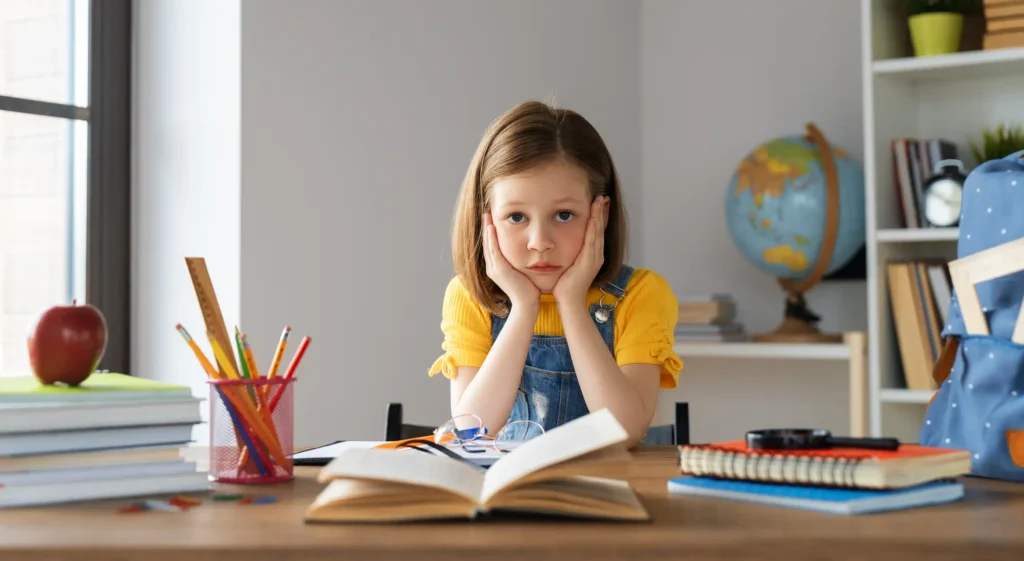
Sensory overload – symptoms, causes and ways of coping
Sensory overload is a condition in which the nervous system receives more stimuli than it is able to process effectively. It can affect anyone, but is particularly common amongst highly sensitive people, those with neurodiversity, and those living under chronic stress. It manifests itself both physically and mentally, affecting day-to-day functioning, relationships and well-being. In […]
Frequently Asked Questions
Observation at the centre:
questions and answers
We’ve put together a list of the questions parents ask us most often. If you can’t find the answer you’re looking for here, please write to us or give us a call – we’ll be happy to help.
Help your child feel confident amongst their peers
Do you have any questions? Please feel free to get in touch — we’d be happy to explain
how we can help your family and what the observation process at our centre involves, step by step.
Give us a call and we’ll work out the best solution for your child together.