


Psychological diagnosis of autism spectrum disorder and ADHD
Are you wondering whether your child’s difficulties might be a sign of autism spectrum disorder or ADHD?
Why should you choose a psychological assessment at the Dialog Centre for Children and Families?
Only trusted psychologists – diagnosticians
Careful recruitment and regular training of our specialists ensure the highest quality of care.
A standardised diagnostic process
Thanks to continuous monitoring and process optimisation, our assessments provide a comprehensive picture of potential and areas requiring support.
A comprehensive psychological assessment
As a private psychological and educational counselling centre, we issue assessments recognised by schools and the Central Examination Board. We also provide recommendations and a plan for further action.
Speed and comfort
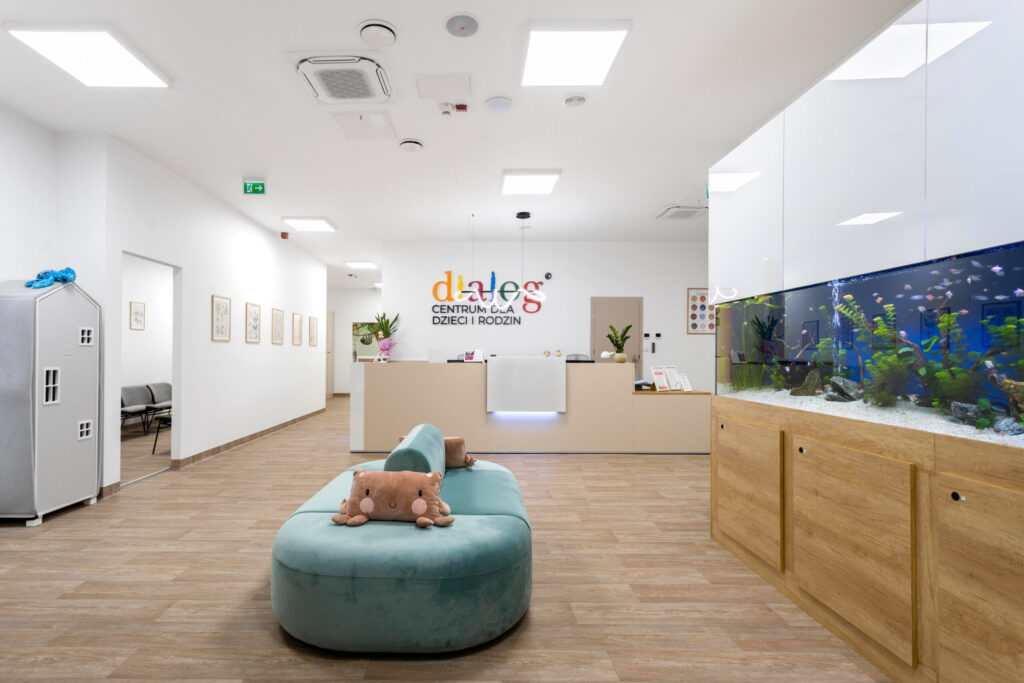
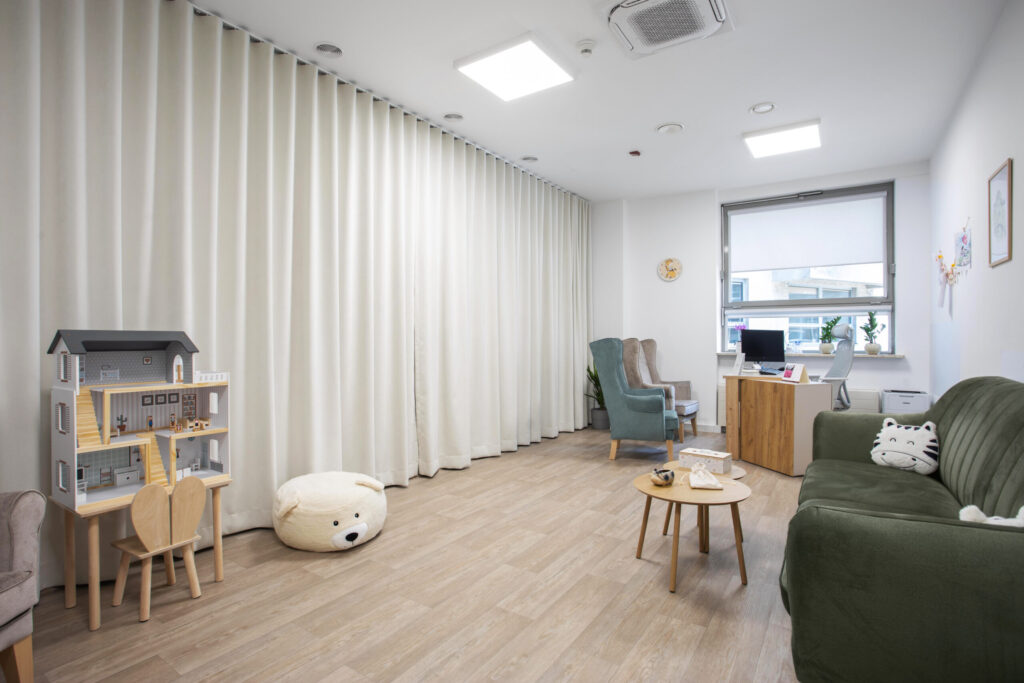
Consultations and examinations take place at your own pace, in a friendly and modern paediatric clinic.
Practical information
Price
3,900 zł
+250 zł for a pre-diagnostic consultation
Number of visits
1 pre-diagnostic appointment,
5 diagnostic appointments
Location
19 Słomińskiego Street, Warsaw (next to the Arkadia shopping centre)

Agreements
PSYCHOLOGICAL ASSESSMENT OF THE AUTISM SPECTRUM AND ADHD
What’s in it for you?
A formal diagnosis
recognised by schools, counselling centres, the National Health Fund (NFZ) and the Central Examination Board (CKE)
Personalised recommendations
They take therapeutic and educational aspects into account — both in individual work and from a systemic perspective.
The family’s full support
Our assessment marks the start of support not only for the child, but for the whole family – we offer consultations, therapy and workshops.
How does an ADHD diagnosis help a child and their family?
Understanding the reasons behind the difficulties
A diagnosis explains the reasons behind your child’s behaviour. It is the first step towards stopping you from blaming your child – and yourself – for situations over which you had no control.
Better support at school
A formal diagnosis makes it possible to adapt the learning environment to the child’s needs: extra time in tests, a personalised approach from teachers, or support from a special needs teacher.
Building a child’s self-esteem
Realising that difficulties are not down to ‘laziness’ or ‘malice’ helps a child regain their self-confidence and motivation to take action.
A more peaceful everyday life at home
When you understand what really lies behind challenging behaviour, it is easier to adapt your daily rules, routines and ways of communicating. Parents who are better informed are able to respond more calmly and effectively.
Personalised support plan
A diagnosis enables us to select the appropriate forms of support: therapy, social skills training or strategies for managing attention. These are ‘tailor-made’ solutions, not random advice.
An opportunity for harmonious development
Early diagnosis and appropriate support increase a child’s chances of realising their full potential – at school, in their relationships and in their future adult life.
When should you arrange for your child to undergo a psychological assessment for ADHD?
Learning difficulties
The child finds it difficult to concentrate during lessons, has trouble remembering information and completing schoolwork
Behavioural problems at school
Teachers report difficulties in maintaining discipline and keeping children’s attention in the classroom
Difficulties at home
The child doesn’t follow the rules at home, is disorganised and gets frustrated easily
Impulsiveness
The child makes decisions without thinking, finds it difficult to wait for their turn, interrupts others and behaves in an uncontrolled manner.
Excessive activity
The child displays excessive restlessness, fidgets, gets up from their seat, runs about or climbs in inappropriate situations.
Hypersensitivity to stimuli
Children are easily distracted by sounds, smells, light or other external stimuli, which makes it difficult for them to concentrate.
How does a diagnosis of autism spectrum disorder help a child and their family?
The child will get to know themselves better
A diagnosis helps a child (especially an older one) to understand why certain things are more difficult for them, and why they react differently from their peers – this is a huge relief, which reduces the feeling of ‘being different’.
Understanding a child’s behaviour
Behaviours that previously seemed baffling (e.g. avoiding eye contact, difficulty playing, sensory overload) begin to make sense – and parents can stop blaming themselves.
The ability to customise the environment
A family can consciously change the way they communicate, organise their day and manage their social relationships – to make things easier, calmer and more supportive.
A sense of relief and direction
Instead of chaos and uncertainty, a plan of action emerges: what to do, who to work with, and where to seek help.
Better cooperation with the school/nursery
A diagnosis provides grounds for introducing, amongst other things: an individualised approach, special educational needs support, remedial classes and a teaching assistant.
When is it advisable to have a child assessed for autism spectrum disorder
(including what is known as Asperger’s syndrome)?
Diagnosing autism spectrum disorder is a complex, multi-faceted process. It is recommended in situations where a child displays several of the following symptoms:
- Recurring patterns of behaviour, interests or activities;
- Picky eating.
- Difficulties in forming relationships with peers and a lack of interest in social activities;
- Difficulties in establishing and maintaining eye contact;
- Recurring patterns of behaviour, interests or activities;
- Excessive focus on specific objects or parts of objects
- Strong reactions to changes in routine or surroundings;
- Unusual or stereotypical movements, such as waving one’s arms or rocking;
- Difficulties in forming relationships with peers and a lack of interest in social activities;
- Recurring patterns of behaviour, interests or activities;
- No response when called by name
- Difficulties in understanding and using language in a social context; an inability to understand jokes or figurative language;
- Delayed speech development or a complete absence of speech;
Book a PSYCHOLOGICAL ASSESSMENT FOR AUTISM SPECTRUM DISORDER AND ADHD
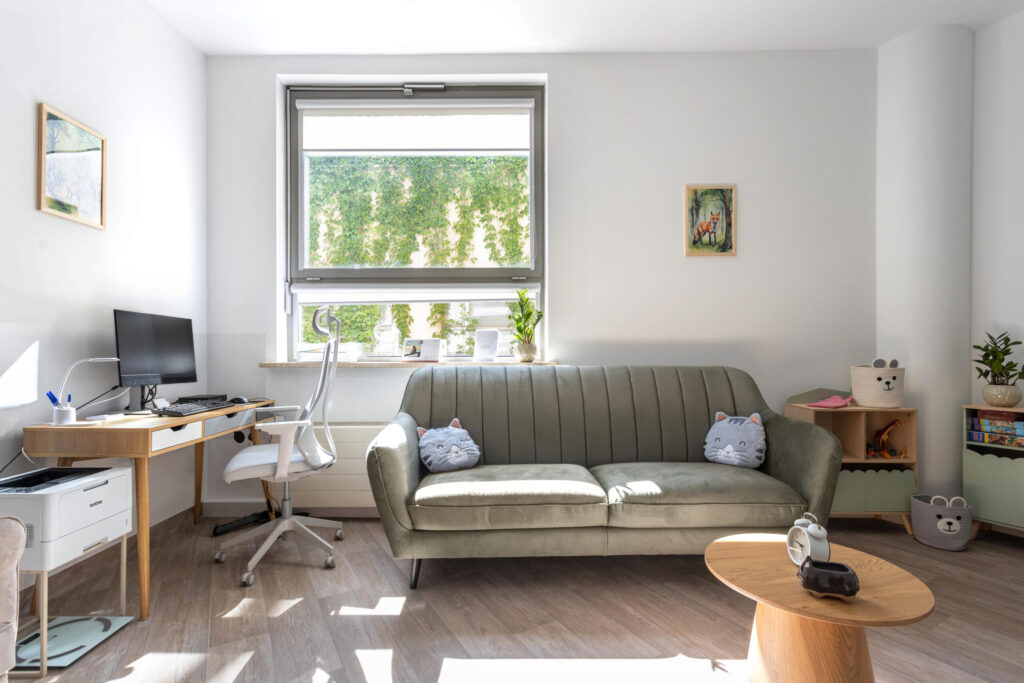
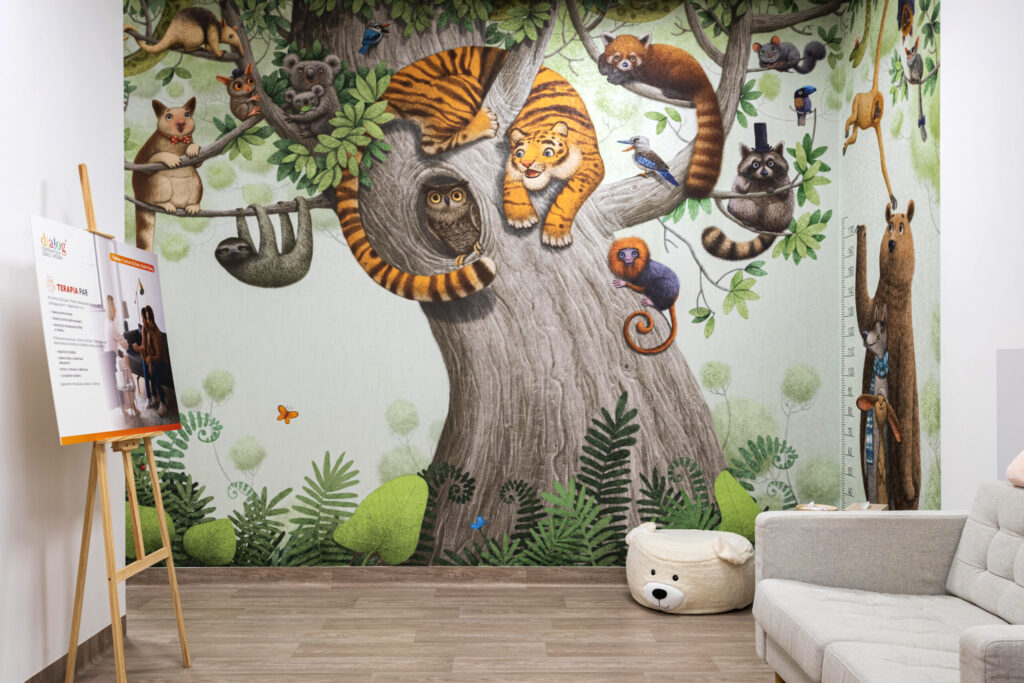
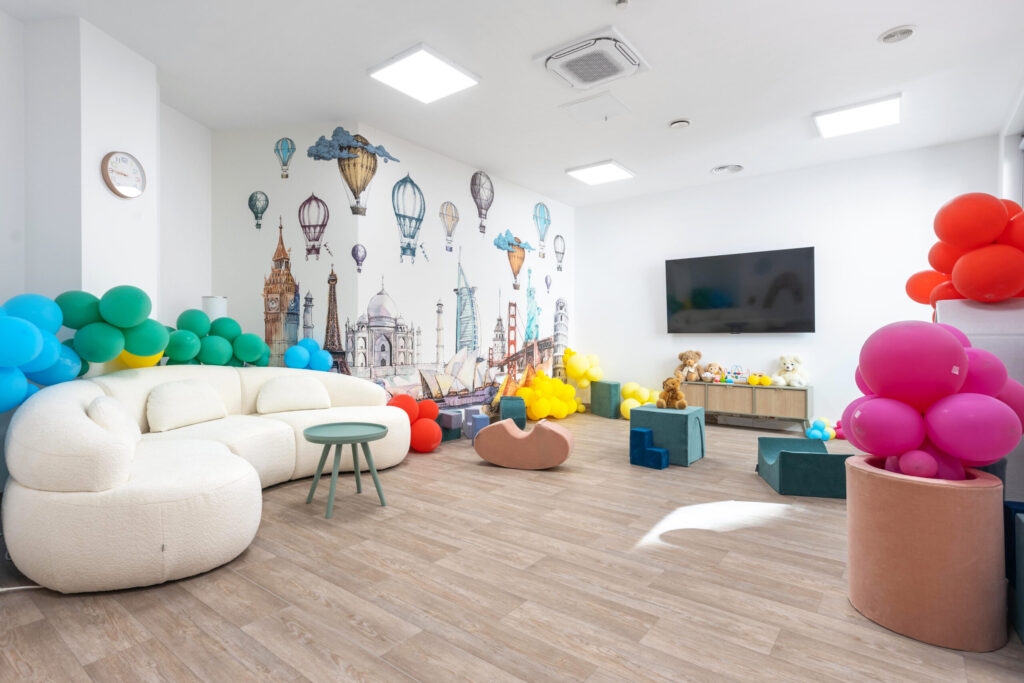
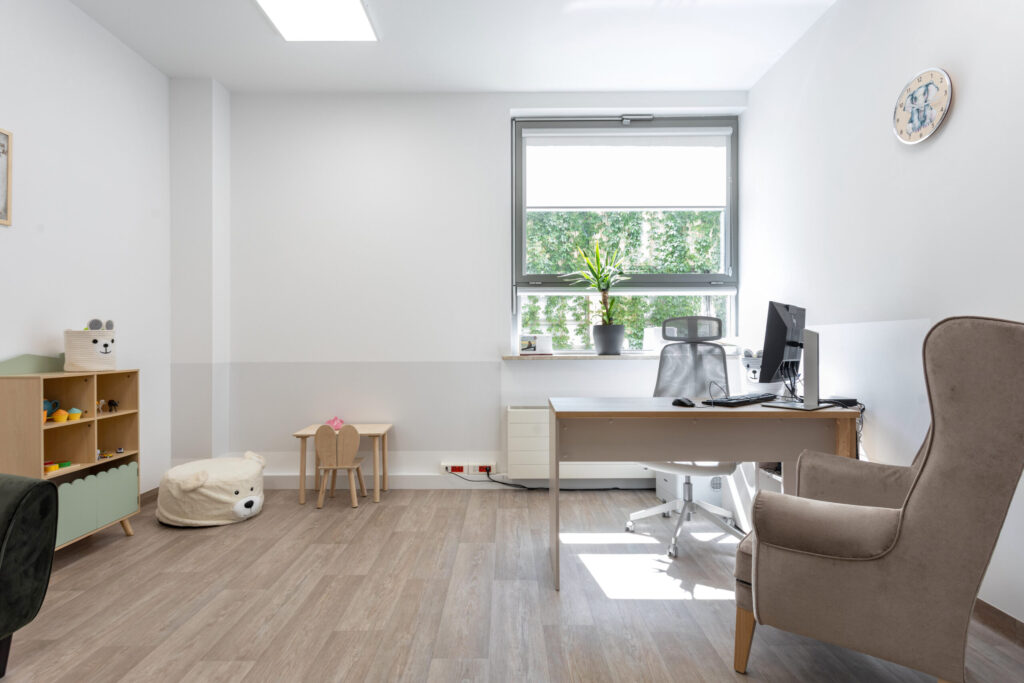
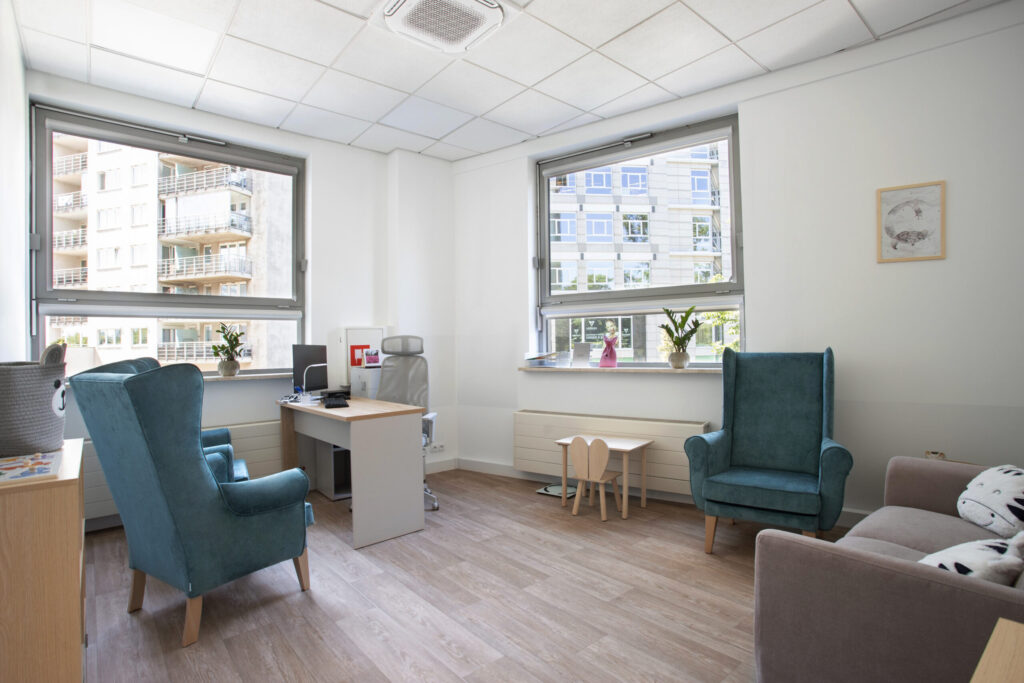
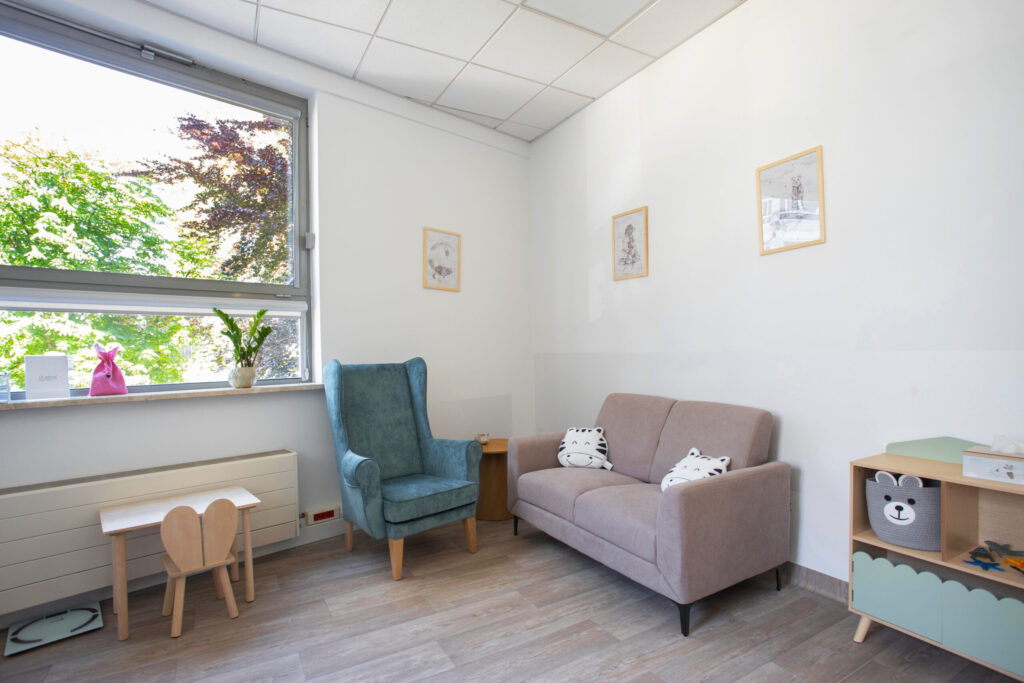
We provide a safe space for conversation
Find out where your child will meet with a specialist.
FAQ
1. Is autism a condition?
Autism, also known as autism spectrum disorder (ASD), is not a disease but a developmental disorder in children. Many specialists use the term ‘treatment for autism’, but this is not entirely accurate, as autism cannot be cured – a child can, however, undergo therapy, such as behavioural therapy.
Characteristics of the autism spectrum include, amongst others, difficulties with communication, repetitive speech patterns, social behaviour disorders, stereotyped and restricted behaviours, and emotional rigidity. Autism is understood as a spectrum. This means that each child exhibits different behaviours, which vary in severity. Some children diagnosed with autism do not communicate verbally, whilst others have developed speech to a communicative level.
2. What is Asperger’s syndrome? Is it different from autism?
Asperger’s
syndrome is a developmental disorder that falls within the autism spectrum. It is worth noting, however, that according to the latest diagnostic classification, the ICD-11, Asperger’s syndrome is no longer diagnosed as a separate condition. Instead, all previous diagnoses, such as childhood autism, atypical autism and Asperger’s syndrome, have been grouped under a single term: autism spectrum disorder (ASD).
Why was the classification changed?
The decision to remove Asperger’s syndrome as a separate diagnosis was based on research and the experience of specialists, who observed that the differences between the various forms of autism are often fluid and difficult to distinguish clearly. Grouping these diagnoses under the umbrella term ‘autism spectrum’ facilitates a better understanding of, and support for, people with varying degrees of symptoms.
3. How should I prepare for my appointments, and what should I bring with me to the pre-diagnostic consultation?
During the initial consultation, it may be helpful to bring the following materials:
– parents’ observations, including a description of any worrying symptoms;
– the results of any previous tests and specialists’ opinions, if these have been carried out;
– information about the child’s behaviour from their form teacher at the school they attend
;– where possible, video recordings of the child’s typical behaviour in various situations.