


Assessment of a young child’s development
(3 months – 3 years)
Are you wondering whether your child is developing normally?
-
You’re starting the diagnosis
1 pre-diagnostic appointment and
2 diagnostic appointments -
Result = no doubt whatsoever
You receive a comprehensive assessment of your child’s development – motor, emotional, social and cognitive – along with a step-by-step guide
-
Solutions tailored to the child
Practical tips and advice to support development – both at home and in specialist care settings
Why should you choose a psychological assessment at the Dialog Centre for Children and Families?
Certified diagnostic psychologists
Careful recruitment and ongoing professional development through training courses and conferences ensure professionalism and a high standard of work.
Standardised diagnostic processes
We regularly refine our approach to ensure that our assessments provide a comprehensive picture of both the child’s strengths and their needs.
A comprehensive psychological assessment
The assessment carried out at the Centre for Children and Families is a psychological assessment. On the basis of this assessment, and following consultation with a psychiatrist, it is possible to apply for the child to be included in an early intervention programme, to receive special educational provision, and to obtain a disability certificate.
Speed and comfort
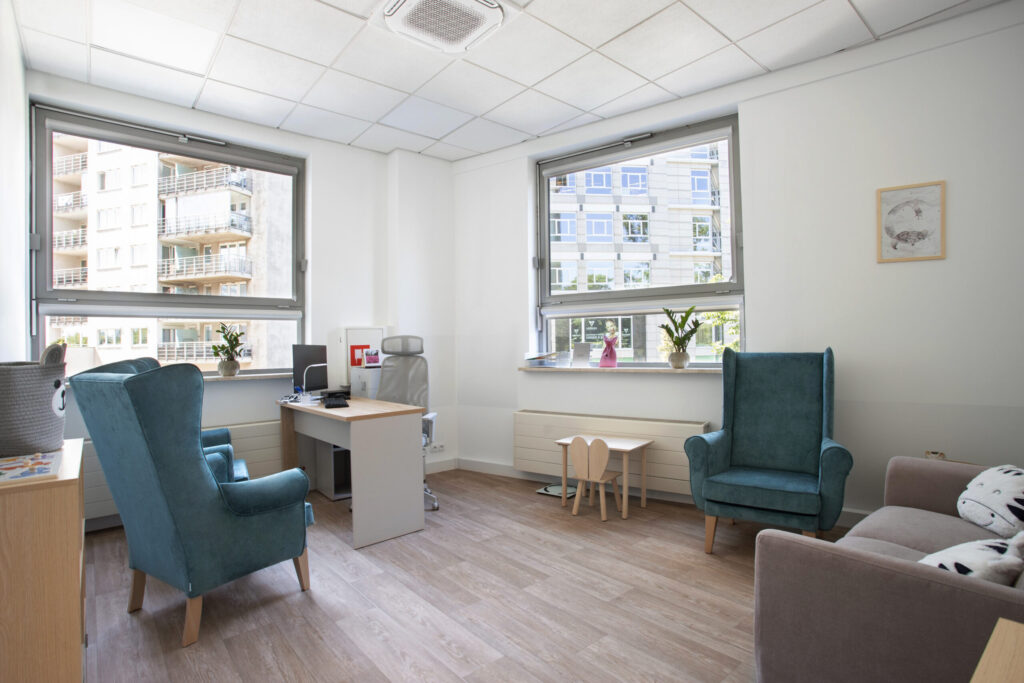
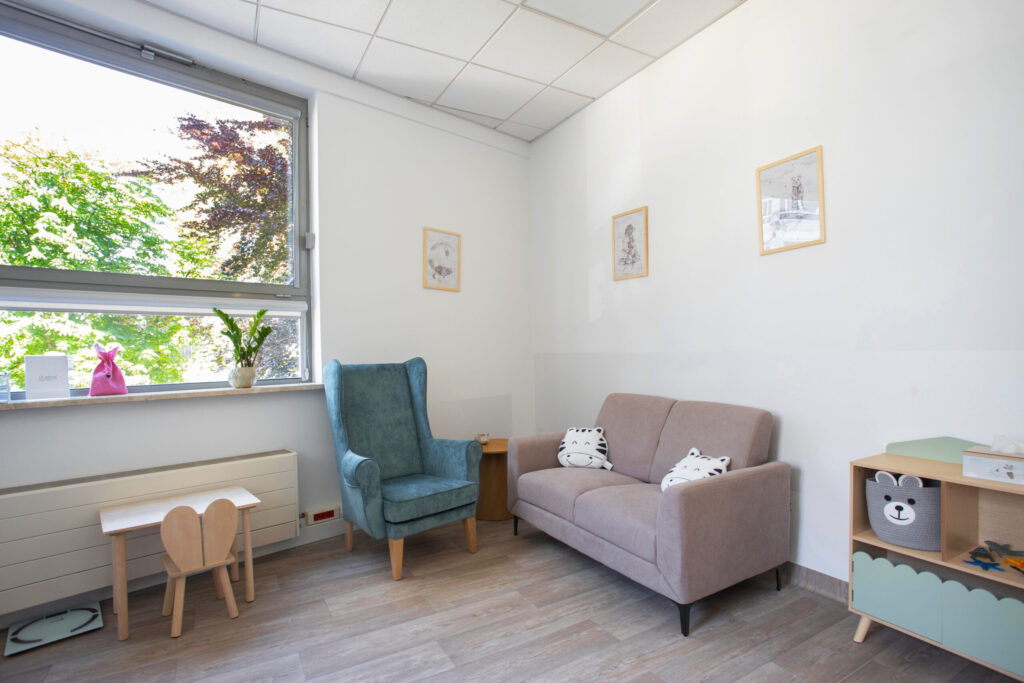
The assessment is carried out at a pace that suits the child, in the safe and welcoming environment of our clinic.
Practical information
Price
1,200 zł
+250 zł for a pre-diagnostic consultation
Number of visits
1 pre-diagnostic
appointment, 2 diagnostic appointments
Location
19 Słomińskiego Street, Warsaw (next to the Arkadia shopping centre)

Agreements
DIAGNOSIS OF A YOUNG CHILD’S DEVELOPMENT
What’s in it for you?
A formal diagnosis
recognised by schools, counselling centres, the National Health Fund (NFZ) and the Central Examination Board (CKE)
Personalised recommendations
Both therapeutic and educational — suitable for both individual work and a systemic approach.
The family’s full support
The diagnosis does not apply only to the child. We support the whole family by providing psychological support, ranging from consultations and therapy to workshops.
How does a developmental assessment of a young child help the child and their family?
An assessment of a young child’s development helps to identify potential difficulties in areas such as speech, motor skills, social interactions and emotions at an early stage – before they become more serious and become ingrained in the child’s behaviour.
This makes it possible to quickly put appropriate support in place (e.g. speech and language therapy, support sessions, specialist consultations), which increases the chances of bridging developmental gaps and ensuring a better start at nursery and school.
When should you arrange for your child to undergo an early childhood development assessment?
An assessment of a young child’s development should be carried out when:
Parents worry that ‘something is wrong’, for example:
- the child does not speak, or speaks very little, compared to their peers,
- does not respond to their name, avoids eye contact, has difficulty in relationships,
- he isn’t interested in toys, he doesn’t copy others,
- is not developing motor skills in the same way as their peers (e.g. does not walk, climb or jump),
- seems overly excited or, conversely, withdrawn and ‘absent’.
If your pregnancy, labour or your child’s development were unusual, for example:
- there were perinatal complications; the baby was born prematurely
- the child had delayed motor development and problems with muscle tone,
- other diagnoses or suspected conditions had already been identified (e.g. delayed speech development, autism spectrum disorder, psychomotor delay).
There are difficulties adapting to nursery or pre-school
For example, when a child finds it very difficult to cope with separation, has communication problems, tantrums or withdraws.
It is also recommended as a preventative measure between the ages of 2 and 4 if:
- You want to make sure your child is developing properly.
- You need a reference for nursery or extra-curricular activities.
Book a DEVELOPMENTAL ASSESSMENT FOR YOUR YOUNG CHILD
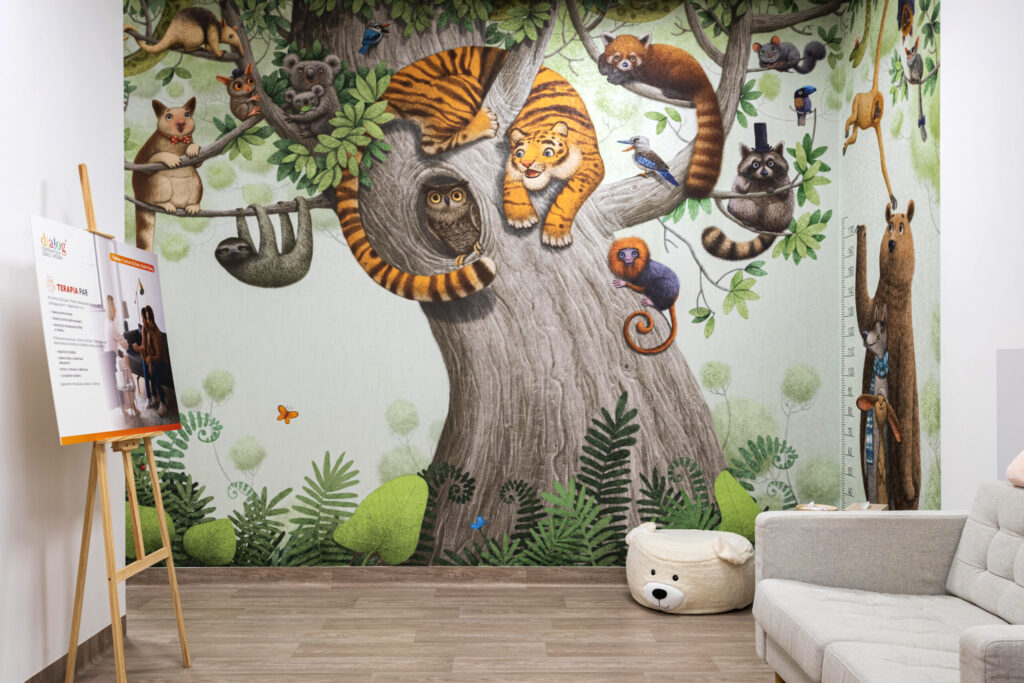
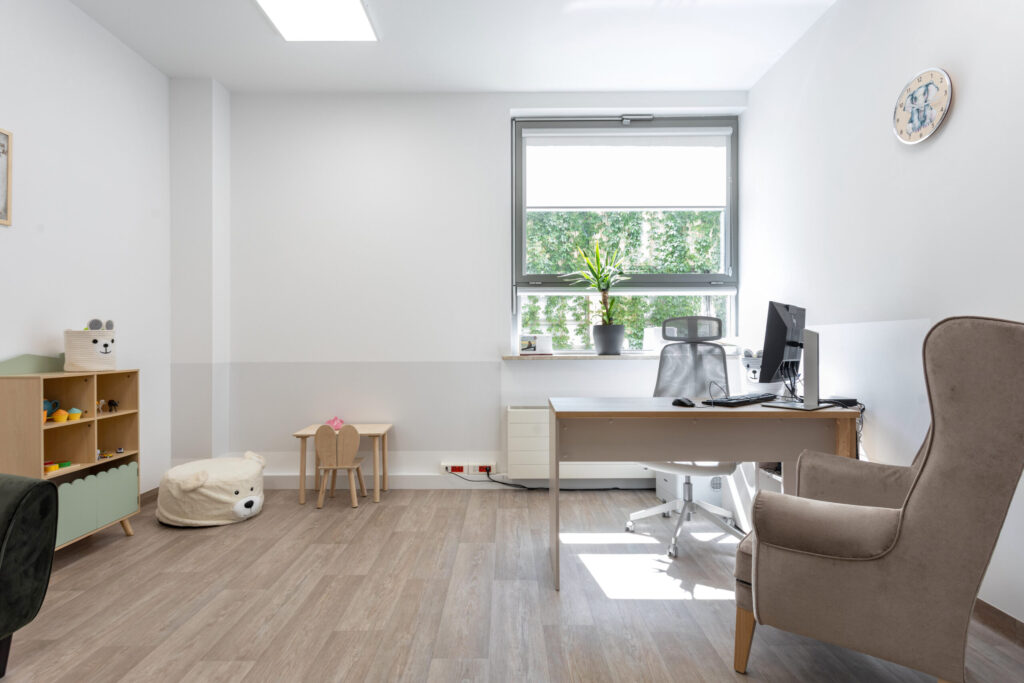
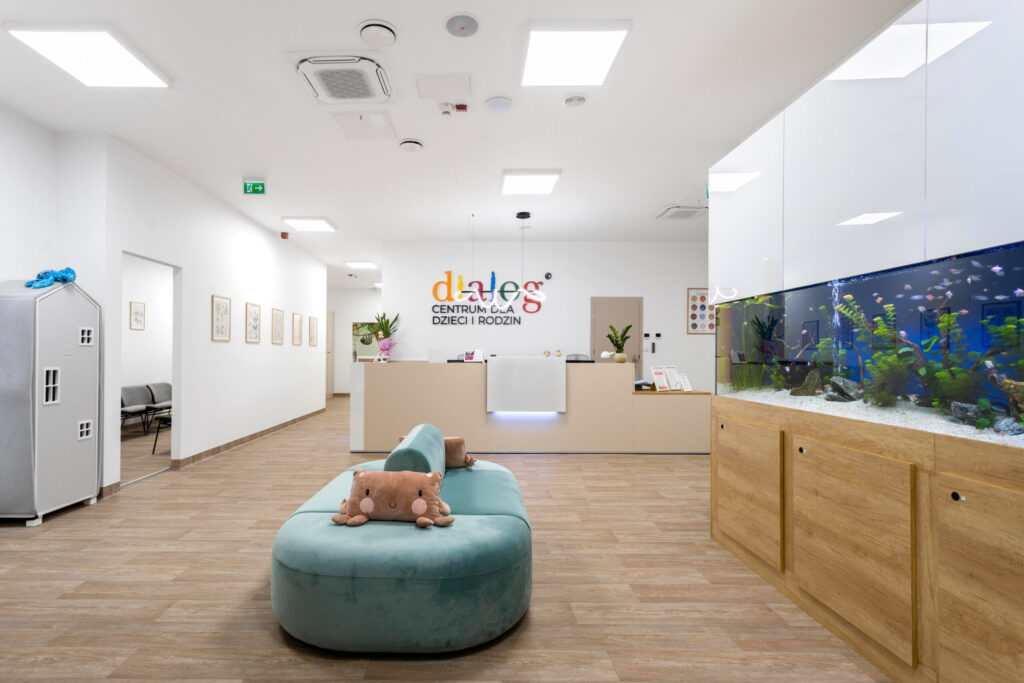
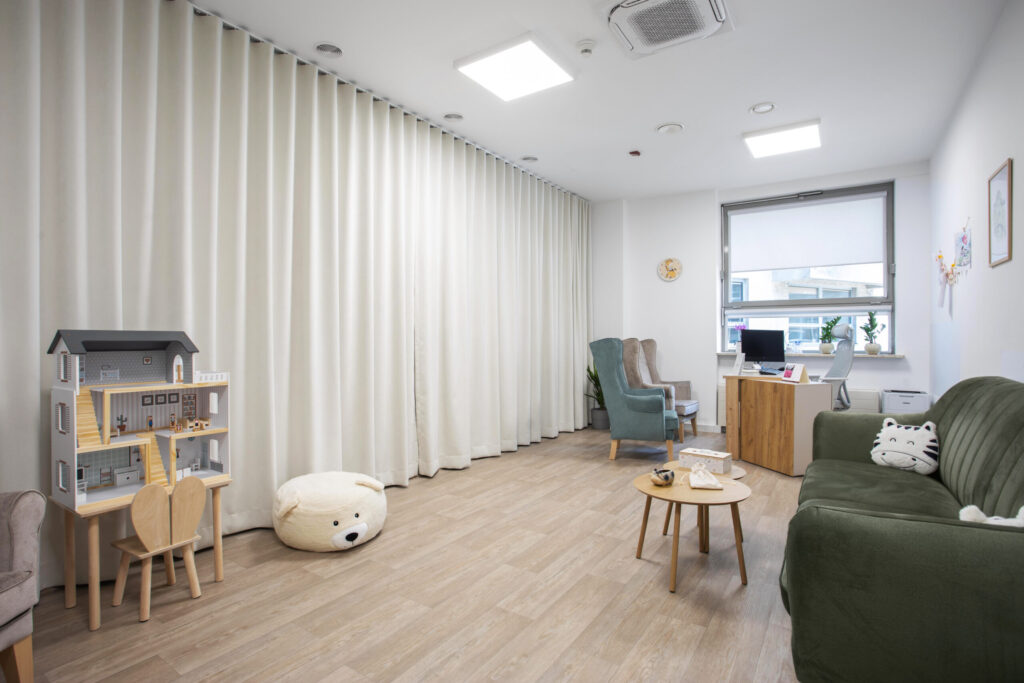
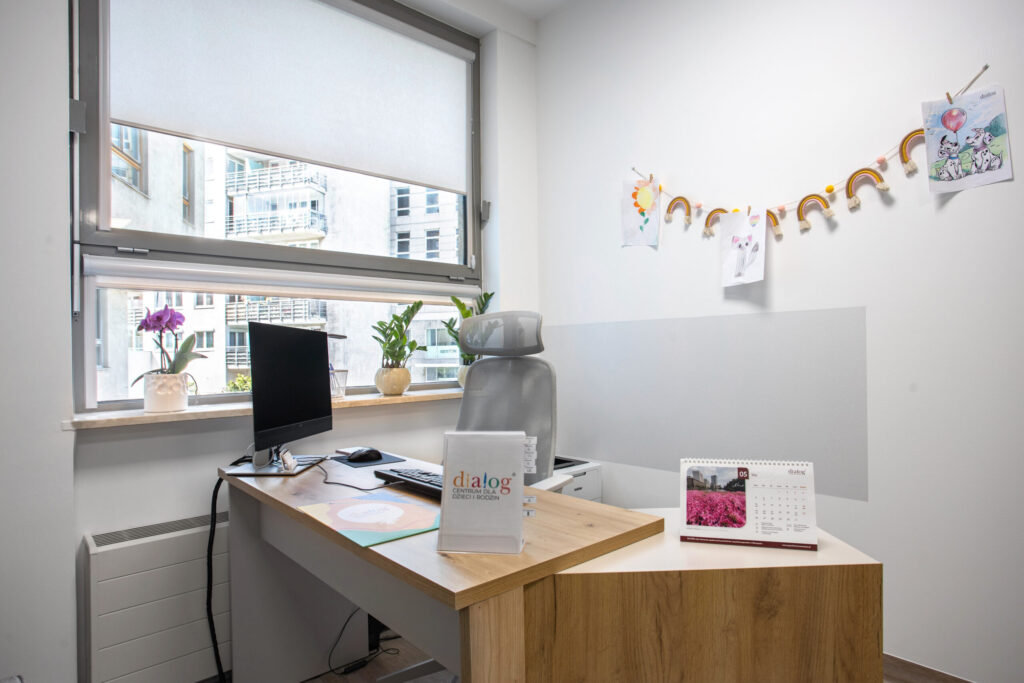
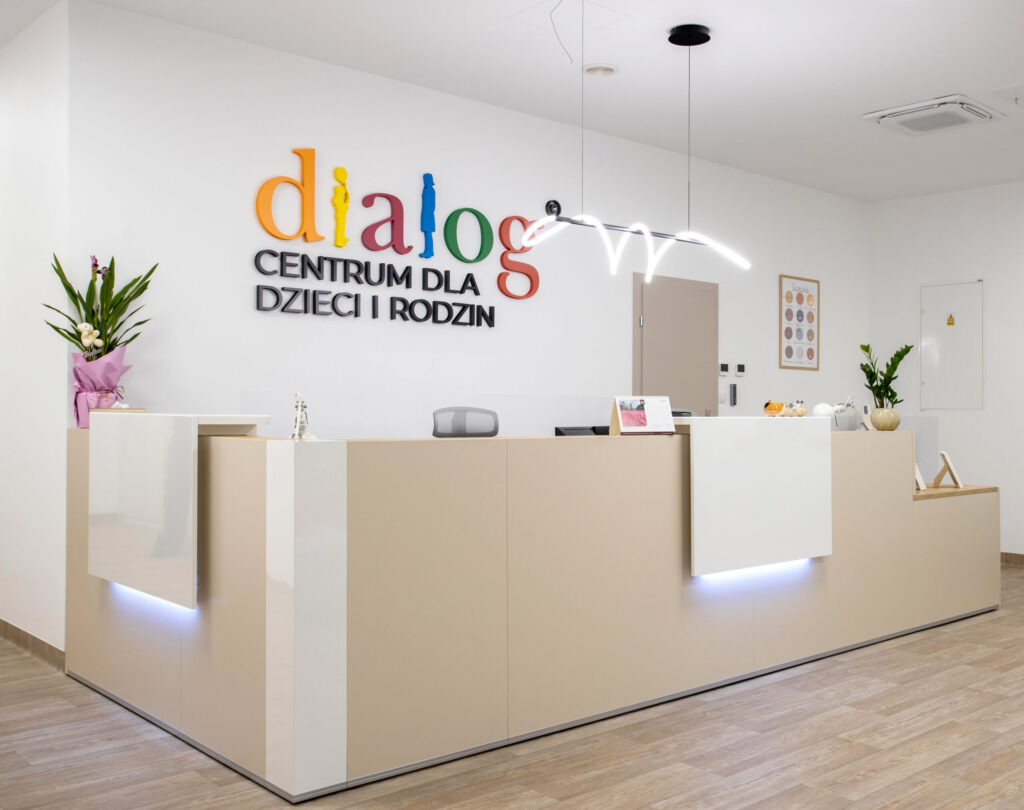
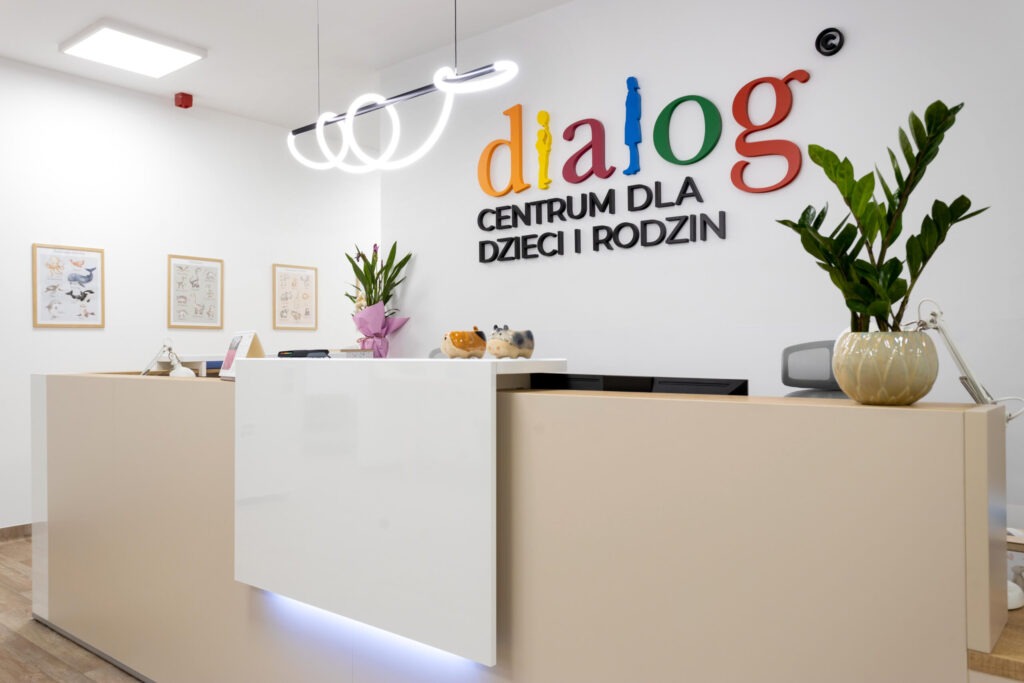
We provide a safe space for conversation
Find out where your child will meet with a specialist.


FAQ
1. How can I tell if my child is developing differently from other children?
More often than not, it is you – as a parent – who are the first to notice that something ‘isn’t quite right’: your child doesn’t speak like their peers, avoids social interaction, is difficult to communicate with, often gets angry, or has difficulties with movement, play or concentration. You may get the impression that other children of a similar age ‘do more’ or ‘are different’.
You don’t have to assess this on your own – if something is worrying you, it’s worth consulting a child psychologist or arranging for your child to undergo a developmental assessment. Differences spotted early on can be effectively supported – and sometimes you’ll simply gain peace of mind and the assurance that everything is fine.
2. What should I do when my loved ones tell me that I’m ‘overreacting’ and that my child doesn’t need a diagnosis?
No one knows your child as well as you do. If something is worrying you, it’s worth getting it checked out. An early diagnosis isn’t about labelling your child; it’s a tool that helps you understand their needs and gives them the chance to develop to their full potential.
Remember that a consultation doesn’t necessarily mean there’s a problem – it’s a form of preventative care.
A specialist may confirm your concerns or put your mind at rest. In either case, you gain peace of mind and clarity, whilst your child receives attention and care.
You can feel free to tell your loved ones:
“I know you’re saying this out of concern, but I’d rather check and be sure. It doesn’t hurt, and it could be very beneficial.” “I’m not
looking for problems – I want to understand how best to support my child.”
💡 It’s also worth noting that, thanks to early intervention, many children do very well at school and in their relationships – precisely because their parents didn’t ignore the first signs.
3. Does the diagnosis mean that there is something wrong with the child?
No – a diagnosis is not a ‘verdict’, but a tool that helps us understand how a child is developing and whether they need extra support. Sometimes it confirms that everything is progressing as it should and puts parents’ minds at rest.