


Contents:
- Have you ever wondered how the ability to listen – rather than simply hear – affects a person’s overall development?
- What are the symptoms of ADP?
- How ADP can affect different areas of life
- Auditory processing disorders in children with ADHD and on the autism spectrum
- Therapeutic methods
- The Johansen Method – Individualised Hearing Simulation
- The Tomatis Method, known as the Electronic Ear Method
- Bibliography:
- Related articles
Have you ever wondered how the ability to listen – rather than simply hear – affects a person’s overall development?
The ear is not just for hearing. It also stimulates the brain and helps maintain balance. Good hearing plays a key role in the development of a person’s personality. Problems arise when we are dealing with Auditory Processing Disorders (APD, or Central Auditory Processing Disorder – CAPD). This is a set of symptoms resulting from a disturbance in the functioning of the sense of hearing caused by abnormalities in the central nervous system. In other words: the child can hear (basic hearing tests show no problems), but does not listen; they behave and function like children with hearing loss.
These disorders are usually confused with a physical hearing impairment, i.e. hearing loss. However, in children with APD, both sensorineural and conductive hearing are normal. This dysfunction occurs in the central nervous part of the auditory system and manifests as the incorrect processing of auditory stimuli, rather than impaired hearing itself. The brain of a person with auditory processing disorder is unable to recognise and interpret sounds, including the sounds of speech.
As for the causes of these disorders, they are often unknown, but risk factors that may influence the onset of APD include:
- genetic predisposition,
- prematurity,
- hypoxia during labour,
- head injuries,
- lead poisoning,
- frequent and chronic infections, middle ear infections,
- a link to other conditions, such as dyslexia, ADHD or speech and language disorders.
Spending too much time in front of the television and computer can also be a risk factor.
Do you need some help?
Sensory Integration Assessment at the Dialog Centre for Children and Families
We assess how a child processes sensory stimuli — and draw up a personalised support plan tailored to their sensory profile.
What are the symptoms of ADP?
The ear is a very important channel for conveying information and stimuli from the external environment. A lack of adequate stimulation and activation of the cerebral cortex leads to a deterioration in our well-being; we are more prone to low mood and find it harder to cope with stress. Auditory processing disorders also manifest themselves through a variety of difficulties in everyday functioning and can, of course, vary from person to person, whilst their severity may also differ. People with auditory processing disorders:
- find it difficult to follow conversations in a group or in noisy places (such as restaurants, shops or school corridors); as a result, they may miss or misinterpret words or parts of what is being said,
- they often ask others to repeat information or ask ‘What did you say?’, which is due to a slower rate of auditory processing; they need more time to understand the information being conveyed to them,
- find it difficult to follow the conversation in films, TV programmes or podcasts,
- have difficulty distinguishing between sounds that sound similar, such as ‘b’ and ‘p’, ‘s’ and ‘sz’, which can lead to errors in reading and writing,
- have difficulty remembering words and verbal information (e.g. instructions or telephone numbers); they may forget words or phrases they have just heard,
- have difficulty understanding long and complex sentences, especially when they contain a lot of information,
- find it difficult to understand the tone of voice or emotions in other people’s speech,
- They become frustrated by difficulties in communicating, which can lead to them avoiding social situations,
- Children with these disorders may have difficulty learning to read, write and develop language skills at the same level as their peers.
How ADP can affect different areas of life
Auditory processing disorders, which affect the ability to understand and process sounds and speech, have a wide range of consequences in various areas of a person’s daily life. Here are some of them.
When it comes to communication, a person with auditory processing disorder may struggle to understand speech, particularly in noisy or crowded places, which makes it difficult for them to pick up on important information during conversations. This can lead to misunderstandings and frustration for both the person themselves and the person they are speaking to.
This naturally leads us to the next area, namely the social sphere. If, due to communication difficulties, a person with auditory processing disorder avoids social situations and shies away from forming and maintaining relationships, they may find themselves socially isolated. Such a situation will make it difficult for them to gain new experiences.
In terms of emotional well-being, auditory processing disorders can lead to frustration, low self-esteem and reduced self-confidence, particularly when a person is frequently unable to understand others or is misunderstood by them. Long-term, undiagnosed disorders can lead to anxiety or depression.
In the workplace, adults with ASD may encounter difficulties in carrying out their professional duties, such as understanding instructions, communicating with colleagues or understanding specialist terminology. This can affect their professional performance and relationships.
In the field of education, which primarily concerns children, auditory processing disorders can lead to difficulties in learning to read, write and acquire language in general. Children may require additional educational support, and a lack of diagnosis and treatment can lead to learning delays.
In everyday life, auditory processing disorders can have a negative impact on everyday situations, such as shopping, using public transport, visiting the doctor or operating electronic devices.
Do you need some help?
Sensory Integration Assessment at the Dialog Centre for Children and Families
We assess how a child processes sensory stimuli — and draw up a personalised support plan tailored to their sensory profile.
Auditory processing disorders in children with ADHD and on the autism spectrum
Children with ADHD and auditory processing disorders may experience:
- difficulty concentrating on speech or other sounds, which may lead to missing important information during conversations or in lessons,
- hyperactivity and impulsivity, as they are more likely to interrupt conversations or behave impulsively during verbal communication,
- difficulty understanding instructions or directions, particularly when they are given quickly or in chaotic situations,
- fatigue and frustration, as trying to concentrate on listening to and understanding speech can be particularly exhausting for them.
Children on the autism spectrum and with auditory processing disorders may experience:
- difficulties in understanding spoken language, which may make it harder to comprehend and interpret, particularly in social contexts,
- hypersensitivity to noise or certain sounds, which can lead to exaggerated reactions to them,
- difficulty making eye contact, which may affect the ability to interpret spoken language,
- repetitive behaviours relating to sounds or speech, such as echolalia,
- difficulties in understanding non-verbal communication, i.e. tone of voice, gestures, facial expressions and other elements of non-verbal communication.
In both cases – for ADHD and autism spectrum disorder – the diagnosis and treatment of auditory processing disorders require collaboration with a team of specialists, such as speech and language therapists, psychologists and occupational therapists. Appropriate therapy and support can help these children develop their communication skills and cope with the difficulties associated with auditory processing.
Do you need some help?
Sensory Integration Assessment at the Dialog Centre for Children and Families
We assess how a child processes sensory stimuli — and draw up a personalised support plan tailored to their sensory profile.
Therapeutic methods
Auditory processing disorders may require various forms of therapy and intervention to help improve auditory perception and hearing functions, and consequently, intellectual potential. Neuroflow, the Johansen Method and the Tomatis Method are three different therapeutic approaches used to improve sensory and communicative functions. Here is a brief overview of these methods.
Neuroflow – Active Auditory Training
This is an innovative training method designed primarily for children who experience difficulties with auditory processing, and for children with psychomotor hyperactivity (e.g. ADHD), based on exercises targeting higher auditory functions. This interactive active listening training programme – the first of its kind in Poland – can be carried out in whatever setting suits you best: at the therapist’s practice, at home, or anywhere else, provided there is access to a computer. It was developed by Dr Andrzej Senderski – a scientist, ENT specialist, audiologist and phoniatrist. The therapy may also include motor and sensory exercises, as well as biofeedback and neurofeedback technologies.
To diagnose central hearing disorders, children aged 4–5 undergo a hearing test. This is the best time to make a diagnosis and begin treatment.
Neuroflow is not just about working on hearing and sound perception. It largely consists of exercises to reinforce body awareness, auditory-visual-motor coordination, spatial orientation and balance. The auditory training is carried out on an online platform. Undergoing this therapy offers the chance to improve auditory memory, enhance auditory attention, learn to read and write, distinguish speech sounds, improve divided attention, actively develop speech, and achieve correct articulation.
The training programme is tailored individually to each child and their needs. Training sessions take place on average three times a week, with each session lasting around 20–25 minutes. It is important for parents to work with their child not only during the sessions but also outside them, as doing additional exercises definitely helps to achieve the best results. Each full training programme lasts a total of 8 months and is divided into 3 stages.
The basis for commencing treatment is to carry out a recent hearing test, including an assessment of temporal and frequency analysis functions.
It is worth noting that Neuroflow is an active form of training. It includes exercises in speech comprehension in the presence of various distracting stimuli – ranging from pleasant ones, such as birdsong or the sound of the sea, through neutral conversations between several people, to irritating ones, such as the sound of an electric toothbrush. It requires the child to focus their attention in order to respond as effectively as possible to the tasks set before them. The difficulty level of the tasks is tailored to the child’s abilities and adjusts dynamically; this means that when the child answers correctly, the system makes the task more difficult, and when they answer incorrectly, it makes it easier.
The benefits that Neuroflow helps you achieve:
- distinguishing between sounds, with particular emphasis on speech,
- improving learning processes (particularly memorisation) and writing,
- more effective language learning,
- maintaining focus on the speaker’s voice (e.g. a teacher’s) for a prolonged period, despite the presence of background noise,
- the ability to divide one’s attention in situations where several people are speaking at the same time,
- faster and better development of speech and the articulation of other sounds.
The Johansen Method – Individualised Hearing Simulation
The Johansen Method, also known as Johansen Sound Therapy, is a therapy based on sounds and music, which aims to improve hearing and auditory perception.
The therapy involves listening to music and sounds specially recorded on a synthesiser, carefully selected to suit the individual needs of the person undergoing treatment, with the aim of stimulating and training the auditory system. No specialist equipment is required for this form of therapy – all that is needed are standard ‘home’ wired headphones and a CD player. It can be successfully used even with infants (in a modified form) and children aged three years and over.
A major advantage of the Johansen method is the ability to undergo therapy in the comfort of one’s own home. Following an assessment, each patient receives a personalised therapy programme recorded on CDs, which they listen to every day for just around 10 minutes, using headphones. Therapy using this method takes quite a long time – around 6–10 months – and the patient’s progress and condition are monitored every 4–8 weeks.
Johansen’s auditory training is recommended for patients with a variety of conditions, including autism, ADHD, dyslexia, sound sensitivity, delayed speech development (ORM), auditory perception disorders, cerebral palsy, and attention and concentration disorders.
Do you need some help?
Sensory Integration Assessment at the Dialog Centre for Children and Families
We assess how a child processes sensory stimuli — and draw up a personalised support plan tailored to their sensory profile.
The Tomatis Method, known as the Electronic Ear Method
The method is based on sounds and music, and was developed by the French professor of medicine, otolaryngologist and therapist Alfred Tomatis. He conducted research in the fields of otolaryngology, phoniatrics and neurology into the relationship between hearing, voice, speech and language, and their impact on a person’s quality of life. He discovered that the ear is a very important channel for conveying information and stimuli from the external environment, and that sound not only serves an informative function but also provides vital stimulation for the cerebral cortex. According to Tomatis, our hearing influences how we perceive the world, our speech development, learning, the quality of our social interactions and the functioning of our body.
He also introduced a distinction between two processes: hearing and listening. He believed that hearing is a passive process, dependent on the condition of the hearing organ, whereas listening – or auditory attention – is an active process involving the conscious perception of sound stimuli, the identification of relevant sounds from the environment, and thereby the acquisition of information about the surrounding world.
Why does the Tomatis Method work?
Assuming that sound serves not only an informative function but also stimulates the cerebral cortex, he developed a method for training auditory attention, also known as auditory training or the audio-psycho-linguistic stimulation (SAPL) method. The aim of this method is to improve auditory functions, thereby enhancing concentration and the quality of learning, developing communication and language skills (reading, writing and speaking), boosting creativity and improving social behaviour. This method is used effectively with children experiencing difficulties at school, or those with autism, dyslexia or communication difficulties.
The Tomatis Method utilises a technique involving the manipulation of sounds. The method involves listening to professionally prepared programmes containing a variety of sounds and music, using a special device in the form of headphones called the ‘Electronic Ear’, which is a perfect replica of the human ear. It compels the human ear to listen effectively and actively, aided by the use of unexpected changes in the timbre, frequency, volume and rhythm of the music being listened to. These changes occur suddenly and at an unpredictable pace. These special headphones deliver sound via both air and bone conduction, which results in intense stimulation of the cerebral cortex and the elimination of auditory hypersensitivity, thereby contributing to improved learning processes and stress relief.
According to school audiologists, a great many children with normal hearing have problems with attention and concentration – these difficulties stem from auditory attention disorders. Listening difficulties cause these children to experience problems with concentration and reading. Auditory training using the Tomatis method has proved highly effective in treating children with school-related problems such as:
- attention disorders,
- speech disorders,
- dyslexia.
The use of this method has also yielded satisfactory results in the case of children with autism, as well as children with motor coordination difficulties.
Do you need some help?
Sensory Integration Assessment at the Dialog Centre for Children and Families
We assess how a child processes sensory stimuli — and draw up a personalised support plan tailored to their sensory profile.
What does auditory processing training using the Tomatis method involve?
The Tomatis method is also very often used to improve one’s sense of well-being, and to promote relaxation and stress relief.
The Tomatis Method is an intensive programme, carried out in a specialist clinic, and the process is supervised by a specialist. It requires the use of specialised equipment, namely the Electronic Ear.
Each auditory training programme is carried out in stages. Stage I – 30 hours of exercises spread over 15 days, at two hours a day. Stage II – 16 hours of exercises spread over 8 days, at two hours a day. A break is necessary between these stages to allow the brain time to process and respond to sounds, and to integrate positive changes in auditory attention. The course of therapy is monitored and tailored to the patient’s individual needs. Regular attendance at therapy sessions and the patient’s commitment to the process are crucial.
During the session, you can chat, play board games and puzzle games, have fun or relax, and even sleep.
Before commencing auditory training, a detailed assessment of possible auditory attention disorders is carried out during an audiopsychophonological consultation, involving tests of attention and auditory lateralisation.
Effects
The effects of the Tomatis auditory training programme, which influences the entire auditory system and the brain in a natural and non-invasive way, are noticeable to both parents and therapists. This is particularly evident in children, who show a significant improvement in their previous functioning across various areas:
- auditory attention is clearly superior, and consequently so are the skills relating to reading, visual processing and concentration,
- communication skills, the quality of speech, reading comprehension and memory all improve,
- A reduction in the children’s levels of frustration was also observed, along with a sense of calm, an increased sense of security, and the alleviation of fears, anxieties and depression,
- resilience to stress increases,
- Positive changes have also been observed in terms of an increase in IQ scores,
- self-confidence and belief in one’s own abilities, creativity and willingness to cooperate increase,
- The effectiveness of foreign language learning is also improving.
Stages of auditory training
The aim of auditory training is to improve the perception of auditory stimuli, to enhance auditory attention and concentration, and to improve the functioning of the nervous system. It is a form of therapy or exercise designed to improve auditory perception and hearing function. The format and nature of auditory training may vary depending on the specific therapeutic method used, the patient’s needs and the therapeutic objectives.
I
The first step is a thorough assessment of the hearing or sensory problem to identify the specific difficulties or impairments present. This enables the training to be tailored to individual needs.
Based on the diagnosis and assessment, the therapist works with the patient or their parents (in the case of children) to set therapeutic goals. These may include goals relating to improving speech comprehension, concentration, sound perception or coping in challenging listening environments.
Once a diagnosis has been made and goals have been set, the next step is to select a therapeutic method, such as the Tomatis Method, the Johansen Method, auditory-motor therapy, sound therapy or sensory integration therapy.
II
The patient then attends regular therapy sessions, which are led by a qualified therapist. The sessions may take place at the therapist’s practice or be conducted remotely using specialist software.
During a session, the client may carry out various exercises and sensory stimulation activities tailored to their needs. These may include auditory, motor or multisensory exercises, which are designed to train auditory perception skills and improve hearing function.
III
The therapist regularly monitors the client’s progress and adjusts the therapy as necessary. Progress is assessed on the basis of the therapeutic goals achieved.
In some cases, the therapist may recommend exercises to be done at home between therapy sessions to reinforce the effects of the therapy.
If the client is a child, the therapist may also involve the parents or carers in the therapeutic process to help maintain and continue the therapy in everyday life.
Regular assessment of progress enables the therapist to determine whether the therapeutic goal has been achieved or whether it needs to be adjusted. Therapy may continue until the desired results are achieved.
Do you need some help?
Sensory Integration Assessment at the Dialog Centre for Children and Families
We assess how a child processes sensory stimuli — and draw up a personalised support plan tailored to their sensory profile.
The benefits of auditory training
Auditory training is a personalised therapeutic process. The key factors are the regularity of the therapy sessions and commitment to the process. The effectiveness may vary depending on individual cases and the methods used.
Here are some of the potential benefits and functions that can be improved through auditory training.
- Improving speech comprehension. Auditory training can help people who have difficulty understanding speech, such as children with dyslexia, people with auditory processing disorders, or those who find it difficult to understand speech in noisy environments.
- Improved concentration and attention. For people with ADHD or other difficulties with concentration, auditory training can help improve their ability to focus and control their impulses.
- Improved perception of sounds. Training can help improve the ability to distinguish between sounds and identify their sources, which is important for safety and spatial awareness.
- Improving communication skills. For people with communication difficulties, such as children with autism, auditory training can help to improve communication skills, including the ability to understand tone of voice and non-verbal communication.
- Boosting self-confidence. Improving listening and communication skills can boost self-confidence and self-esteem in people who struggle in these areas.
- Improved sensory integration. For people with sensory integration disorders, auditory training can help improve their ability to process and respond to sensory stimuli.
- Supporting the learning process. Children who have difficulty listening to and processing verbal information can benefit from auditory training as a tool to support their learning, particularly when learning to read and write.
- Improving the ability to cope in challenging listening situations. People who find it difficult to hear and understand in challenging conditions, such as noisy environments, can benefit from auditory training to function more effectively in such situations.
Bibliography:
- American Speech-Language-Hearing Association (ASHA). (2005). (Central) Auditory Processing Disorders. Available online: https://www.asha.org/public/hearing/CAPD/
- Bellis, T. J. (2003). Assessment and management of central auditory processing disorders in the educational setting: From science to practice (2nd ed.). Delmar Learning.
- Chermak, G. D., & Musiek, F. E. (1997). Central Auditory Processing Disorders: New Perspectives. Singular Publishing Group.
- Chermak, G. D., & Musiek, F. E. (2002). Auditory training: Principles and approaches for remediating and managing auditory processing disorders. Seminars in Hearing, 23(4), 297–308.
- https://doi.org/10.1055/s-2002-35877
- Johansen, G. I. (1993). Johansen Individualised Auditory Stimulation (JIAS). Scandinavian Audiology, 22(Suppl. 38), 1–41.
- Senderski, A. (2018). Neuroflow – active auditory training: therapy for central auditory processing disorder (CAPD). Neuroflow educational materials, Warsaw.
- Tomatis, A. (1991). *The Conscious Ear: My Life of Transformation Through Listening*. Station Hill Press.
- Zatorre, R. J., & Belin, P. (2001). Spectral and temporal processing in the human auditory cortex. Cerebral Cortex, 11(10), 946–953.
- https://doi.org/10.1093/cercor/11.10.946
- Musiek, F. E., Shinn, J. B., & Chermak, G. D. (2017). The auditory system: Anatomy, physiology, and clinical correlates. Handbook of Clinical Neurology, 129, 19–38.
- https://doi.org/10.1016/B978-0-444-62630-1.00002-1
- World Health Organisation (WHO). (2021). World Report on Hearing. Geneva: WHO.
- Available online: https://www.who.int/publications/i/item/world-report-on-hearing
Read more
Related articles
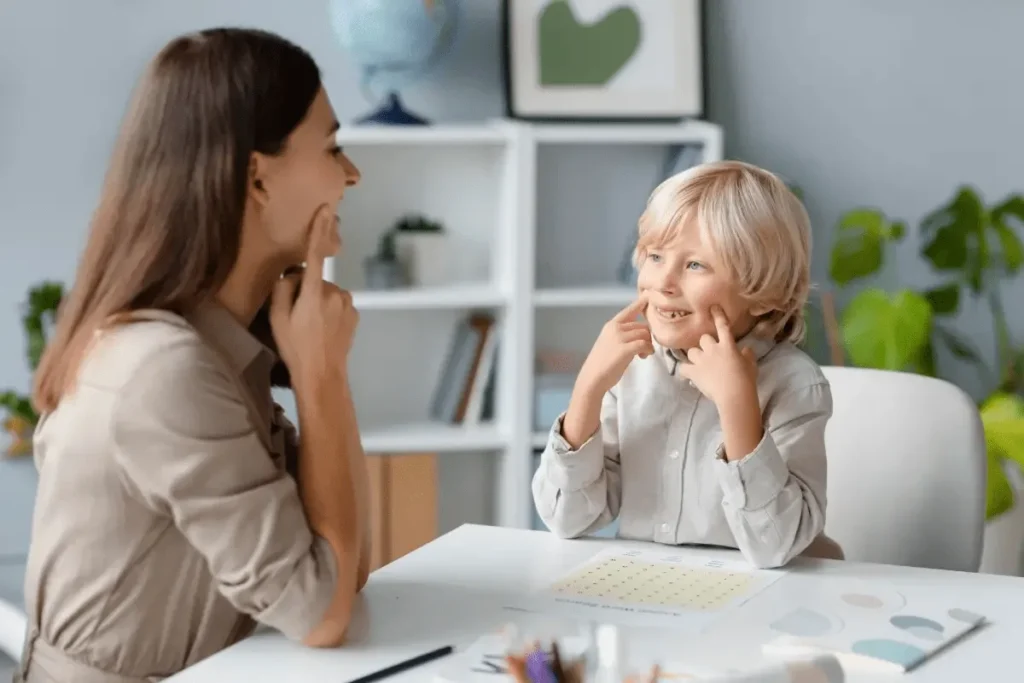
Support for children with speech disorders
Speech disorders are various types of communication problems that can make it difficult for a child to interact with other people. They include problems with: In children, speech disorders can affect their emotional and social development, which often leads to feelings of isolation and frustration. Speech disorders in children are a problem that can take […]
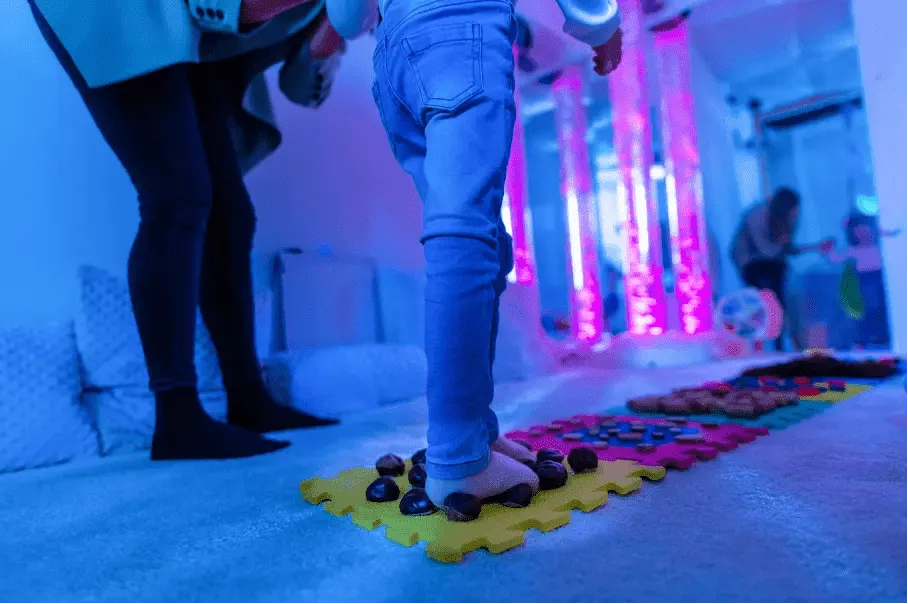
Sensory Integration in the Snoezelen Room
A sensory room, also known as a ‘Snoezelen sensory room’ or simply a ‘Snoezelen room’, is a specially designed space intended to create an environment that stimulates the senses whilst providing a sense of safety and relaxation. These rooms are often used when working with people with a range of needs, including those with developmental […]

Psychomotor development (children aged 0–3 years)
A child’s psychomotor development is a process in which the child develops both their mental and motor skills during the first three years of life. This is a period of rapid change, during which a child reaches many milestones in the development of their motor, cognitive and social skills. During the first three years of […]

Snoezelen, or the Sensory Room
1. Introduction The senses form the basis of every person’s development. They provide information about the world around us. Without them, none of us could develop. However, some people are unable to respond to them appropriately, whilst others have lost these abilities due to an accident or illness. For these people, the world can be […]

Early speech and language therapy intervention – A newborn baby sees a speech and language therapist.
Early speech and language therapy intervention: a newborn’s first visit to a speech and language therapist There are many factors which have an adverse effect on a child’s speech development and subsequent functioning. The earlier any abnormalities are identified, the quicker and more effective speech and language therapy may prove to be. Special speech and […]

Sensory diet
Where does the term ‘sensory diet’ come from? The term ‘sensory diet’ was introduced by Patricia Wilbarger, an American occupational therapist and specialist in sensory integration. Wilbarger developed this concept in the 1990s as part of her work with children and adults who had difficulties with sensory processing. She was a pioneer in this field, […]
Do you need some help?
Speech and language therapy at the Dialog Centre for Children and Families
Specialist therapy for children whose speech difficulties have a neurological cause — when standard speech and language therapy is not enough.
Book a speech and language therapy session