



Contents:
- Asperger’s syndrome – an autism spectrum disorder
- The main symptoms of Asperger’s syndrome
- Diagnosis of Asperger’s syndrome
- What rules out Asperger’s syndrome? Differential diagnosis
- Asperger’s syndrome and autism – differences and similarities
- ICD-10 versus ICD-11 – changes to the diagnosis of Asperger’s syndrome
- Treatment and therapeutic support for Asperger’s syndrome
- Related articles
Asperger’s syndrome – an autism spectrum disorder
Asperger’s syndrome is a neurodevelopmental disorder classified within the autism spectrum, characterised by a different pattern of social and communicative development. It is not a disease in the medical sense, but rather a different pattern of brain development. The term derives from the name of the Austrian paediatrician Hans Asperger, who in 1944 described a set of characteristics observed in some children. The condition affects both children and adults – both children and adults can be diagnosed with it. In practice, Asperger’s syndrome is now considered a milder form of autism spectrum disorder (often abbreviated to ASD). This means that Asperger’s syndrome is a disorder belonging to the same group as classic childhood autism, but with less severe symptoms and without delays in speech development or intellectual functioning. Despite difficulties in functioning, many adults with Asperger’s syndrome lead independent, relatively normal lives, having learnt various ways of adapting over the years.
The main symptoms of Asperger’s syndrome
Asperger’s syndrome usually manifests its symptoms as early as childhood, although the diagnosis is often not made until school age or even later. A child with Asperger’s syndrome may initially develop normally in terms of intellectual and language skills – people with Asperger’s syndrome do not usually show any delay in speech development or significant cognitive deficits. The first signs mainly concern social and behavioural aspects. Problems in relationships with others and unusual interests are characteristic. The most common symptoms of Asperger’s syndrome, observed in both children and adults, are set out below:
The most common symptoms of Asperger’s syndrome
- Difficulties with social interaction – People with Asperger’s syndrome have marked difficulties in forming and maintaining relationships. They often appear uninterested in social conversation or find it difficult to maintain eye contact. In social situations, they may be perceived as strange or extremely withdrawn. At the same time, people with this condition usually want to have friends, but do not fully understand social rules, which often leads them to form relationships in unusual ways.
- Communication difficulties – The symptoms of Asperger’s syndrome also include a specific way of communicating. Speech may be formal, pedantic or monotonous. There are difficulties in understanding the subtleties of language: people with Asperger’s often interpret statements very literally. They have trouble understanding jokes, metaphors, allusions or sarcasm. Non-verbal communication (gestures, facial expressions) can also be difficult for them to interpret – for example, they may not correctly interpret the facial expressions of the person they are talking to.
- Narrow, intense interests – People with Asperger’s syndrome often display an obsessive preoccupation with one or a few topics. They can talk for hours about their passion and accumulate a vast amount of knowledge in a narrow field. These interests are unusual for their age or circumstances and take up a large part of their attention. At the same time, they neglect other activities.
- A need for structure and routine – Rigid behaviour is a characteristic feature. A person with Asperger’s prefers a fixed daily routine and rituals. Changes to their environment or schedule cause them significant stress. Spontaneity is often limited – repetitive habits and rituals emerge (e.g. always taking the same route to school, performing tasks in exactly the same order). A change to their routine can result in anxiety or an outburst of frustration.
- Sensory and motor difficulties – Hypersensitivity or hyposensitivity to sensory stimuli is common. A person with Asperger’s syndrome may display unusual reactions to sounds, smells, touch or light (e.g. they may be irritated by noise or certain textures of clothing). There may also be some problems with motor coordination – physical clumsiness, a distinctive way of walking or limited facial expressions.
- Limited expression of emotions – The emotions of people with Asperger’s may seem unusual to others. They often find it difficult to understand and express emotions in the way that is socially expected. Difficulties in understanding other people’s feelings result in a lack of appropriate empathy in social situations. The emotional reactions of people with Asperger’s syndrome may be inappropriate to the context (e.g. they laugh when others are sad, or do not react when someone shows them affection).
Do you need some help?
Diagnosis of autism at the Dialog Centre for Children and Families
We carry out a comprehensive psychological assessment of the autism spectrum — thoroughly, providing a complete picture of the child’s potential and recommendations for the school.
It is worth emphasising that the severity of the main symptoms can vary from person to person. The spectrum of Asperger’s syndrome is broad – some children with Asperger’s syndrome are almost indistinguishable from their peers, whilst others stand out clearly in terms of their behaviour. Some children with Asperger’s syndrome stand out due to their above-average abilities (e.g. in maths or music), whilst at the same time they may experience difficulties in other areas (e.g. in school due to concentration difficulties or problems with social skills). In some younger children, the symptoms may be subtle and become more pronounced with age – which is why Asperger’s syndrome is most often only noticed once the child starts school and is confronted with the social demands of the group. During adolescence, many behaviours typical of Asperger’s syndrome may become more pronounced due to hormonal changes and social pressures. Adults with Asperger’s syndrome often cope better with everyday life than children – having developed various compensatory strategies – but certain difficulties persist, such as trouble recognising irony or forming close relationships. Although many adults with Asperger’s syndrome achieve independence and function within society, they may still experience difficulties and a sense of being different in more profound social interactions.
Diagnosis of Asperger’s syndrome
The diagnosis of Asperger’s syndrome is a complex, multi-stage process. Diagnosing Asperger’s syndrome requires taking a detailed developmental history, observing behaviour and assessment by specialists. The diagnosis is usually made by a team of specialists – comprising a clinical psychologist, a psychiatrist (particularly a child psychiatrist in the case of children) and, often, a speech and language therapist or a special needs teacher. An interdisciplinary approach is important, as the functioning of the child or adult needs to be assessed across a range of areas: social, communicative, cognitive and behavioural.
Diagnosing Asperger’s syndrome requires meeting specific diagnostic criteria. The ICD-10 classification of Asperger’s syndrome, which is still in use, clearly sets out the conditions for diagnosis. A diagnosis of Asperger’s syndrome requires that specific criteria be met – most importantly, there must be no delay in speech development or marked impairment of cognitive development. In other words, to be diagnosed with Asperger’s syndrome, a child must have spoken their first words at around the typical age (before the age of 2) and been able to form sentences by around the age of 3, whilst their intellectual development should be within the normal range (or above average). If these conditions are met, and at the same time the characteristic core symptoms of the autism spectrum—relating to social difficulties and repetitive behaviour patterns—are observed, then specialists can confirm the diagnosis.
The diagnostic process makes use of standardised tools, such as clinical interviews with parents, observations of the child (e.g. based on the ADOS protocol) and developmental questionnaires. Asperger’s syndrome is also sometimes diagnosed in adolescents or adults, and in children at a later age, when earlier years of life did not yield a clear diagnosis. It is often the case that adults only receive a diagnosis retrospectively – for example, a middle-aged person may discover that certain social difficulties they have experienced since childhood are in fact previously undiagnosed Asperger’s syndrome. This situation is particularly common amongst those who have learnt to mask their symptoms or who had mild symptoms that did not arouse suspicion amongst those around them during childhood.
A diagnosis of Asperger’s syndrome is not based on laboratory tests – there is no medical test that directly confirms this condition. It is a clinical diagnosis, requiring the diagnostician’s experience and an in-depth analysis of behaviour. It is also important to carry out a differential diagnosis, i.e. to check whether the observed symptoms are more consistent with another disorder. In other words, it is necessary to determine what rules out Asperger’s syndrome in a given case – which factors or characteristics suggest that a different diagnosis should be made instead.
What rules out Asperger’s syndrome? Differential diagnosis
When carrying out a differential diagnosis, a doctor or clinical psychologist must take into account other developmental and mental disorders that may present with symptoms similar to those of Asperger’s syndrome. There are certain characteristics and conditions which, if present, rule out Asperger’s syndrome as the correct diagnosis. The most important exclusion criterion is the aforementioned delay in speech development or significant global developmental delay. This is because pervasive speech disorders and a marked delay in psychomotor development suggest classic childhood autism or another pervasive developmental disorder, rather than Asperger’s syndrome. Whilst a child with Asperger’s syndrome may have difficulties with social communication, their speech and intellectual development usually proceed normally (and sometimes even outpace that of their peers). However, if a child shows marked developmental stagnation or regression (e.g. loss of previously acquired skills) or a lack of active speech by the age of 3, a diagnosis of another autism spectrum disorder or another cause of the difficulties should be considered.
Apart from the criterion of speech development, there is a list of specific diagnoses that must be distinguished from Asperger’s syndrome. Listed below are similar disorders with similar symptoms that are taken into account when differentiating between Asperger’s syndrome and other conditions:
Similar conditions that may resemble Asperger’s syndrome (differential diagnosis)
- Early-onset autism (childhood autism) – Classic autism manifests itself as early as early childhood (around the age of 2–3). Autistic children usually have delayed speech development; they may not speak at all or speak very little. Intellectual disability or marked cognitive delays are also common. If a child exhibits such developmental abnormalities before the age of 3, this indicates autism spectrum disorder (childhood autism) rather than Asperger’s syndrome. Children with autism have very similar social difficulties to those with Asperger’s, but in a more severe form – they are less likely to seek contact and may appear to be withdrawn into their own world. In autism, a lack of response to one’s name, weaker emotional bonding with a carer and more severe impairments in non-verbal communication are also more commonly observed.
- Asperger’s syndrome and high-functioning autism – It is worth noting that in older literature, the term ‘high-functioning autism’ was used, which was very similar to Asperger’s syndrome. This referred to people on the autism spectrum who, however, had normal intelligence and well-developed speech. In practice, the differences between Asperger’s syndrome and such high-functioning autism are negligible – diagnostic criteria used to distinguish between these diagnoses mainly on the basis of the presence (autism) or absence (Asperger’s) of delayed speech development. Based on current understanding, the differences between Asperger’s syndrome and autism are more quantitative than qualitative.
- ADHD (Attention-Deficit/Hyperactivity Disorder) – Children with ADHD exhibit difficulties with concentration, hyperactivity and impulsivity. This can sometimes lead to social difficulties (e.g. they are unable to wait their turn or interrupt others) and problems at school. Certain behaviours of a hyperactive child may resemble the symptoms of Asperger’s syndrome – for example, they may find it difficult to adapt to group rules and may be socially awkward. However, children with ADHD do not exhibit the narrow interests or need for routine typical of Asperger’s syndrome. The main difference lies in the underlying cause of the behaviours: in ADHD, they stem from a deficit in attention and impulse control, whilst in Asperger’s, they result from a different way of processing social cues and a need for predictability. Many children with Asperger’s syndrome also have symptoms of ADHD (co-occurrence of these disorders is common), but ADHD on its own, without autistic traits, is not the same as Asperger’s syndrome.
- Obsessive-compulsive disorder (OCD) – A person with obsessive-compulsive disorder experiences intrusive thoughts (obsessions) and performs ritualistic actions (compulsions) in order to reduce anxiety. Certain compulsive behaviours – such as repeating the same actions or persistently sticking to set patterns – may, from the outside, resemble the repetitive rituals seen in people with Asperger’s. However, OCD is underpinned by anxiety and an obsessive need for control, whilst Asperger’s is characterised by neurological rigidity and a sense of security derived from routine, without any distinct obsessions in the clinical sense. Furthermore, people with OCD do not necessarily experience difficulties in social interactions or communication disorders typical of Asperger’s. Therefore, if ritualistic behaviours are not accompanied by social and communication deficits present since childhood, one should consider whether it might be OCD rather than Asperger’s syndrome.
- Semantic-pragmatic disorders – This is a specific language development disorder characterised by difficulties in understanding meaning (semantics) and the context of utterances (pragmatics). Children with this disorder may have a literal understanding of language and may not understand jokes, metaphors or ambiguous expressions – in other words, they have difficulty understanding the hidden meaning of utterances, much like people with Asperger’s syndrome. They may also talk a great deal, yet show no interest in genuine dialogue, which resembles the communication style seen on the autism spectrum. The difference lies in the fact that in a purely linguistic semantic-pragmatic disorder, other characteristics typical of autism (such as specific interests or a strong need for routine) are absent. The child mainly has difficulties with aspects of language and communication, but their social development may otherwise be better than in Asperger’s syndrome.
- Heller’s syndrome (childhood disintegrative disorder) – This is a very rare disorder in which, following a period of apparently normal development (up to around 3–4 years of age), the child suddenly loses previously acquired skills (speech, social skills, control over bodily functions, etc.). There is a developmental regression and symptoms similar to those of autism. If such a marked regression in skills is noted in the patient’s history, a diagnosis of Asperger’s syndrome is unlikely – Asperger’s is not associated with a loss of skills, but rather with their developing differently from the outset. Heller’s syndrome is one of the global developmental disorders, but distinct from autism and Asperger’s; it is currently also classified within the broader ASD spectrum.
- Mood disorders (e.g. depression, bipolar disorder) – Mood disorders are not in themselves confused with Asperger’s, but they may co-occur with it or affect social functioning. Severe depression in a teenager can lead to social withdrawal, isolation, rigidity in behaviour and even monotony of speech – which may superficially mimic autistic symptoms. However, affective disorders usually emerge at a later age and follow a different course (e.g. episodes of low mood interspersed with periods of remission). The key difference is the absence of early childhood autistic traits. Depression or bipolar disorder in adults with Asperger’s syndrome, in turn, often arise as a result of long-standing difficulties and a lack of understanding – untreated Asperger’s syndrome can lead to secondary mental health problems, but mood disorders alone do not account for all the symptoms observed since childhood.
It is worth noting that the above list is not exhaustive – other possibilities are also taken into account in the differential diagnosis, such as schizoid personality disorder (in adults) or social anxiety. However, these conditions usually only become apparent during adolescence or adulthood, whereas Asperger’s syndrome is present from early childhood. For this reason, a thorough developmental history and observation of the child’s background are crucial to making a diagnosis. Similar symptoms may have different causes, which is why diagnosing Asperger’s syndrome requires great caution and a very detailed analysis of all aspects of the patient’s functioning. A specialist must assess whether the symptoms of alternative disorders better explain the patient’s condition, in order to rule out Asperger’s syndrome if it does not fit the clinical picture.
Do you need some help?
Diagnosis of autism at the Dialog Centre for Children and Families
We carry out a comprehensive psychological assessment of the autism spectrum — thoroughly, providing a complete picture of the child’s potential and recommendations for the school.
Asperger’s syndrome and autism – differences and similarities
A question that often arises is: Asperger’s syndrome versus autism – how do they differ? After all, both diagnoses fall within the autism spectrum and share many common features. Indeed, it is impossible to discuss Asperger’s syndrome in isolation from autism. It could be said that every case of Asperger’s is a form of autism, but not every case of autism is Asperger’s – historically, Asperger’s was recognised as a subtype of autism in which speech and intellectual development are within the normal range. The key differences between Asperger’s syndrome and classic childhood autism are summarised below:
Key differences: Asperger’s syndrome vs childhood autism
- Age of onset and diagnosis – In autism, the first clear symptoms appear very early, before the age of 3 (for example, the child does not start speaking, avoids contact, and has impaired social development from infancy). Asperger’s syndrome usually becomes apparent later – at nursery or primary school, when the child is expected to engage in more advanced social interactions. As a result, Asperger’s syndrome is most often diagnosed around the ages of 6–11, or even during adolescence, whilst autism (particularly in its more severe form) is often diagnosed as early as 2–3 years of age.
- Speech development – This is a key distinguishing feature. Children with autism usually have delayed speech development or severe language disorders – they may not speak in full sentences, use speech in a stereotyped manner (echolalia, repeating phrases they have heard) or have difficulty with verbal communication throughout their childhood. In contrast, people with Asperger’s syndrome do not usually show delays in speech development – their language develops within the normal timeframe, although their style of speech may be atypical (stiff, pedantic or very detailed). This difference in the language criterion formed the basis for Asperger’s being recognised as a separate diagnosis in the ICD-10.
- Cognitive development and intelligence – In autism, around 50–60 per cent of children have a lower IQ or some degree of intellectual disability. In Asperger’s syndrome, cognitive development proceeds without delays, and intelligence is usually average or above average. A child with Asperger’s may display an uneven profile of abilities (e.g. outstanding abilities in maths and weaker social understanding), but no overall impairment of cognitive functions is observed. In autism, children often struggle with basic cognitive tasks, whereas a child with Asperger’s syndrome may, for example, be very good at memorising facts, thinking logically and learning at an intellectually normal level.
- Social skills and adaptation – Both autism and Asperger’s syndrome result in social difficulties (problems with relationships, empathy and non-verbal communication). However, people with Asperger’s syndrome may experience slightly less severe difficulties in relationships than those with autism. An autistic child often fails to form relationships with peers at all and shows no interest in other people. A child with Asperger’s also has difficulty forming relationships, but often wants to make friends – they simply cannot do so in the usual way. They are able, to a certain extent, to adapt to rules (especially if taught to do so), whilst a child with more severe autism tends to live more in their own world and does not feel the same need to interact. In adulthood, people with Asperger’s syndrome often form relationships, work and function relatively independently, whilst those with atypical autism and more severe symptoms may require constant support. Of course, this is a matter of severity – autism has a spectrum, and Asperger’s falls at the milder end of it.
- Stereotypies and interests – Both groups exhibit so-called repetitive behaviours. However, obsessive interests tend to be more pronounced in autism. A child with autism may spend hours spinning the wheel on a toy or arranging the same building blocks over and over, whilst a child with Asperger’s syndrome is more likely to focus on gathering information about a favourite topic or repeating certain daily rituals. In autism, stereotyped movements (flapping hands, rocking, walking on tiptoes) are more common and more pronounced. In Asperger’s, certain motor mannerisms may also occur, but they usually have less of an impact on day-to-day functioning.
- Emotions and reactions to stimuli – Children with autism may experience more intense tantrums or panic attacks in response to sensory overload or a change in routine. Their ability to regulate their emotions is weaker. People with Asperger’s also display reactions of fear or anger, but their emotions are often more subdued. Less emotional volatility is usually observed in Asperger’s syndrome – they are able to partially mask their emotions or learn certain strategies for calming themselves down, whilst for many people with autism, stimuli can trigger very violent reactions (screaming, self-harm, running away, etc.). Of course, this too depends on individual characteristics – some people with Asperger’s also experience strong outbursts of anger, particularly during childhood.
In summary, although Asperger’s syndrome and autism differ in terms of their initial symptoms, the course of speech development and the severity of difficulties, they share fundamental characteristics. Consequently, modern diagnostic practice is moving away from treating them as entirely separate conditions. Increasingly, the term ‘autism spectrum disorders’ is used to refer to a single continuum, encompassing both the symptoms of Asperger’s syndrome in children and the full spectrum of autism, which varies in severity.
ICD-10 versus ICD-11 – changes to the diagnosis of Asperger’s syndrome
In Poland, the current ICD-10 classification (International Classification of Diseases, 10th Revision) remains in force as the basis for diagnosing disorders. The ICD-10 lists Asperger’s syndrome as a separate diagnostic entity (code F84.5) within the group of pervasive developmental disorders. According to the ICD-10, Asperger’s syndrome requires the fulfilment of the aforementioned criteria (no delays in speech or intellectual development, the presence of social interaction difficulties, and restricted patterns of behaviour). This classification is currently in use in Poland, and many specialists continue to make diagnoses based on it. Consequently, the formal diagnosis ‘F84.5 – Asperger’s syndrome’ is frequently found in medical records and assessment reports.
However, the newer ICD-11 classification is already being rolled out worldwide, bringing significant changes to the diagnosis of autism spectrum disorders. ICD-11 (the eleventh revision) officially came into force on 1 January 2022. Asperger’s syndrome no longer appears as a separate diagnosis in ICD-11 – the use of this term has been discontinued. Instead, all related diagnoses (childhood autism, atypical autism, Asperger’s syndrome, childhood disintegrative disorder) have been integrated under the common category of ‘autism spectrum disorder’. In other words, the ICD-11 treats autism as a single broad autism spectrum, within which additional details are specified, such as:
- level of intellectual development (whether or not there is an intellectual disability),
- level of language development (whether there is an absence of speech or severe language disorders, or whether speech is well developed).
This approach is intended to make the diagnosis more precise and flexible – it describes the individual’s profile (e.g. ‘autism spectrum disorder without intellectual disability and without functional speech disorders’). It is precisely this category that corresponds to what was previously known as Asperger’s syndrome. In other words, according to the ICD-11, a person who was previously diagnosed with Asperger’s will now receive a diagnosis of ASD (autism spectrum disorder) without intellectual impairment and without language impairment. Formally, therefore, the diagnosis of Asperger’s syndrome is no longer used – it is recognised as simply one of the clinical presentations within the autism spectrum.
In practice, the transition to ICD-11 takes some time. Work is still ongoing in Poland to implement this new classification (including translating it into Polish and adapting the healthcare system). Officially, the full transition to ICD-11 is planned by the end of 2026. Until then, Polish doctors and psychologists will formally continue to use ICD-10. However, many specialists are already aware of the changes – sometimes they include both names in their diagnostic reports, e.g.: ‘autism spectrum disorder (ICD-11), corresponding to Asperger’s syndrome according to ICD-10’. This ensures that the patient and their family understand which disorder is being referred to, whilst at the same time the documentation is prepared for the new terminology. Although ‘Asperger’s syndrome’ as a term is disappearing from medical language, it is still used colloquially and historically. It is likely that this term will continue to be used in society alongside the concept of the autism spectrum for some time to come. This is because a change in terminology requires education and time to become accustomed to – many people have come to regard the name ‘Asperger’ as part of their identity or as a description of a loved one.
To summarise, the ICD-10 classification (currently used in Poland) treats Asperger’s syndrome as a separate diagnosis with specific criteria. The ICD-11, on the other hand, includes Asperger’s within the autism spectrum, which affects the way the condition is diagnosed – rather than looking for rigid boundaries between Asperger’s and autism, the individual’s characteristics and needs are assessed within the broader spectrum. For patients, this often means more tailored support, but also the need to understand new terminology. It is worth noting that the American DSM-5 classification (in force since 2013) has also made a similar change, removing the diagnosis of Asperger’s in favour of a single ASD diagnosis. There is therefore a consensus within the scientific and clinical communities that Asperger’s syndrome is not a separate condition, but part of the broader category of autism spectrum disorders.
Do you need some help?
Diagnosis of autism at the Dialog Centre for Children and Families
We carry out a comprehensive psychological assessment of the autism spectrum — thoroughly, providing a complete picture of the child’s potential and recommendations for the school.
Treatment and therapeutic support for Asperger’s syndrome
The treatment of Asperger’s syndrome relies primarily on comprehensive therapy and support – there is no single pill or medical procedure that can cure this condition. As Asperger’s syndrome is a complex condition that affects many areas of life, the support provided must be multifaceted. The aim of therapy is not to change a person’s identity or to ‘get rid of’ Asperger’s (as this is neither possible nor necessary), but to develop the skills needed to lead an independent and fulfilling life. Early intervention and consistent work with the child (or adult) can significantly improve psychosocial functioning. People with Asperger’s syndrome may face difficulties in everyday life, but through therapy they learn to understand themselves and the world better, as well as to cope with the challenges arising from their differences. Education plays a key role here – not only for the person with Asperger’s syndrome themselves, but also for their family and those around them (teachers, schoolmates, colleagues).
The therapeutic process is usually long-term and tailored to the individual. First, an accurate diagnosis must be made – simply receiving a diagnosis of Asperger’s syndrome can be a relief and a turning point. Once it is clear what the condition is, a treatment plan can be drawn up. It is important to provide the family with information and guidance (psychoeducation), as understanding the nature of the condition facilitates cooperation. Difficulties in communication and in forming satisfying relationships can become the focus of the therapeutic process – in therapy, a person with Asperger’s learns to recognise emotions (their own and those of others), practises social behaviours and ways of communicating. At the same time, work is often carried out to reduce anxiety, increase behavioural flexibility and improve stress management.
Adults with Asperger’s syndrome often demonstrate a high degree of independence, but they too can benefit from therapeutic support, for example to better understand the rules of interpersonal relationships or to work through trauma related to feeling misunderstood during childhood. Support may be needed at various stages of life: for children – to help them settle into school and develop their potential; for teenagers – to get through the difficult period of adolescence; and for adults – to improve their quality of life and how they function at work or in a relationship.
Therapy and support methods
- Behavioural therapy – The foundation of working with children on the autism spectrum. The therapist teaches desirable social behaviours through a system of rewards (positive reinforcement). Behavioural analysis helps to reduce undesirable reactions (e.g. aggression, tantrums) and replace them with more adaptive behaviours.
- Social skills training – Special sessions during which people with Asperger’s syndrome practise real-life social situations: how to hold a conversation, how to make friends, how to work in a group, and how to interpret non-verbal cues. Such training often takes place in small groups of peers under the supervision of a therapist and gradually teaches the unspoken rules of social life.
- Cognitive Behavioural Therapy (CBT) – Recommended particularly for teenagers and adults with Asperger’s syndrome. Its aim is to change negative thought patterns and develop ways of managing emotions. People with Asperger’s syndrome often struggle with anxiety, frustration or a sense of being different – therapy helps them to understand these feelings and develop healthier responses. CBT also teaches strategies for social situations (e.g. how to respond to criticism, how to ask for clarification when something is unclear rather than withdrawing).
- Sensory Integration (SI) therapy – For children with severe sensory processing disorders, this form of therapy can be very helpful. The SI therapist works to help the child tolerate stimuli (sounds, touch, movement) better and teaches them appropriate responses. As a result, everyday situations (e.g. noise during school break times, physical contact) become less stressful for the child.
- Psychoeducation for parents and those around the child – Educating those close to the child is an equally important aspect. Parents of a child with Asperger’s should understand their child’s way of thinking and learn how to support the development of social skills and independence. They are often encouraged to take part in support groups, workshops or consultations with a psychologist. The school should also be involved – once teachers are informed about the specific characteristics of how a pupil with Asperger’s functions, they can adapt their teaching and assessment methods, thereby preventing unnecessary difficulties in the child’s education.
- Psychiatric support (pharmacotherapy) – Asperger’s syndrome itself does not usually require medication, as it is not a condition that can be cured with a pill. However, a psychiatrist may sometimes prescribe medication to alleviate certain accompanying symptoms or co-occurring disorders. For example, if a person with Asperger’s suffers from severe anxiety, depression or sleep disorders, appropriate medication can improve their quality of life. Medication is also used in cases of co-occurring ADHD (to improve concentration) or, in extreme cases, where there is significant aggression or self-harm. Pharmacotherapy is used as a supportive measure – the therapeutic focus is primarily on psychological and environmental interventions.
It should be emphasised that untreated Asperger’s syndrome can have serious consequences for a person’s life. Leaving a child with Asperger’s syndrome without support leads to increasing difficulties in fitting in with a group – this can result in social isolation, bullying (the child becomes a victim of their peers because of their differences) and secondary emotional disorders. Among teenagers and adults, depression, anxiety, obsessive-compulsive disorder and even suicidal thoughts are not uncommon, as a result of prolonged stress and rejection. Conversely, properly conducted therapy and social integration can dramatically improve the prognosis. The lives of people with Asperger’s syndrome need not be defined solely by their condition – they can achieve a great deal if given the chance to develop their talents and receive acceptance from those around them. These individuals often possess unique strengths: attention to detail, honesty, specialist knowledge and loyalty. A suitable working environment (e.g. one with clearly defined rules and structure) allows them to realise their potential and be valuable employees.
Acceptance is also very important – both by society and by the person with Asperger’s themselves. People with Asperger’s syndrome may show signs of being different from the majority, but that does not mean their way of being is inferior. Public education on neurodiversity makes it easier to understand where certain behaviours come from and how to respond to them. Awareness of Asperger’s syndrome is growing – more and more people realise that someone who avoids eye contact or has unusual interests may simply function differently neurologically. As a result, those around them can show greater patience and understanding.
Finally, it is worth noting that Asperger’s syndrome is a condition that will remain with a person throughout their life (one does not ‘grow out of’ it). However, with the right support, people with Asperger’s can lead happy, productive lives on their own terms. The key lies in the early identification of difficulties, adapting the requirements of the environment (e.g. school) and therapy focused on the most significant deficits (social and communicative). Over time, many people with Asperger’s find their own path – they pursue careers in their chosen fields, form relationships and start families. For people with Asperger’s syndrome, it is often their passion and unconventional view of the world that leads to success. A society that can appreciate these strengths and offer support in times of difficulty gains valuable, creative members.
Bibliography
- Weronika Babiec. “Asperger’s Syndrome – symptoms and diagnosis in children and adults. An autism spectrum disorder.” DOZ.pl – Dbam o Zdrowie, 2024. (A popular science article discussing the characteristics of Asperger’s syndrome, the ICD-10 criteria, changes in the ICD-11 and treatment methods).
- Serdeczne Psychotherapy Centre. “Asperger’s Syndrome – diagnosis, symptoms, definition, characteristics.” SerdeczneCentrum.pl blog, 2025. (A description of Asperger’s syndrome in children, teenagers and adults, diagnostic guidelines, what Asperger’s syndrome does not include, and how it differs from autism).
- MyWay Clinic Online. “Asperger’s Syndrome in adults and children – symptoms and treatment.” MyWayClinic.online, 2025. (A psychological article containing, amongst other things, a section entitled ‘What rules out Asperger’s syndrome?’ – emphasising the absence of developmental delays as a distinguishing criterion – as well as a description of therapeutic methods and statistics).
- ADHD Polska Foundation. “I suspect I may be on the autism spectrum – what should I do next?” fundacja-adhd.pl, 2023. (A guide explaining the differences between the autism spectrum and Asperger’s syndrome, discussing the transition from ICD-10 to ICD-11 and the significance of the new diagnostic categories).
- Psychomedic.pl. “ICD-11: the most important changes to the classification of mental disorders.” Psychomedic, 2022. (An overview of the changes in the ICD-11, including the discontinuation of the term ‘Asperger’s syndrome’ in favour of the broader category of autism spectrum disorders, which is intended to allow for more flexible diagnosis).
Read more
Related articles

Autism spectrum assessment – a step-by-step guide to diagnosis
Autism is a complex issue, and the subject is attracting increasing interest amongst both parents and professionals working with children and adults. More and more children are being referred to specialist clinics on the suspicion that their development is different, with the child’s difficulties being particularly evident in social interactions, communication or behavioural patterns. This […]
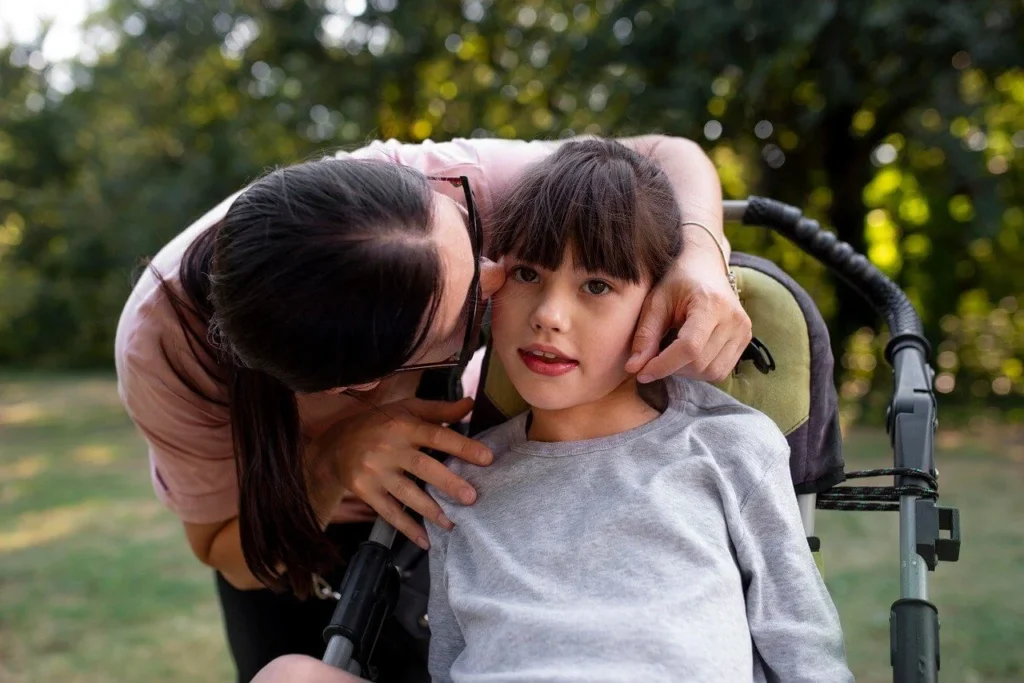
Rett syndrome – what it is, symptoms and causes of this rare disorder
What is Rett syndrome? Rett syndrome is one of the most frequently described rare and specific neurodevelopmental disorders affecting girls. In the literature, it is also referred to as Rett or Rett syndrome and belongs to the group of serious genetic disorders. Typically, Rett syndrome occurs in children who initially develop normally, but later experience […]

Autism – symptoms. How can you recognise them in children and teenagers?
Autism is a neurodevelopmental disorder that affects the way a person perceives the world, interacts with others and processes information. Nowadays, we talk about the autism spectrum, as symptoms and the level of support required can vary greatly. There is still a lack of reliable information on this subject, which is why many myths hinder […]

Heller’s syndrome – symptoms, progression and diagnosis of a rare disorder
Heller’s syndrome, also known as childhood disintegrative disorder, is one of the rarest and most dramatic developmental disorders. It is characterised by the sudden loss of previously acquired skills in a child who had been developing normally during the first few years of life. Due to its rapid onset and profound regression in functioning, this […]
Is autism a disease? – Facts and myths about the autism spectrum
The autism spectrum refers to a variety of ways of developing and functioning, which may be associated with different needs, experiences and ways of communicating and perceiving the world. It is a lifelong neurodevelopmental disorder that affects communication, social interactions, sensory processing and behaviour. This means that a person on the autism spectrum may have […]

What is dysorthography? Symptoms, causes and treatment methods.
Not every typo is down to a lack of care, and not every spelling mistake is the result of rushing. Dysorthography affects thousands of children who know how to follow the rules of correct spelling but are unable to put that knowledge into practice. Why is that? What is dysorthography? What are its symptoms and […]
Do you need some help?
Diagnosis of autism at the Dialog Centre for Children and Families
We carry out a comprehensive psychological assessment of the autism spectrum — thoroughly, providing a complete picture of the child’s potential and recommendations for the school.
Book a consultation