


Are you wondering whether your child is responding appropriately to stimuli and coping with everyday situations?
Book an appointment for them:
Sensory Integration
Sensory Integration – Warsaw
Sensory integration therapy is a specialist form of support that helps children to better perceive, process and respond to stimuli from their environment. Its aim is to organise sensory experiences in such a way that the child can function more effectively in everyday situations.
The therapy is used, amongst other things, for children with sensory processing disorders, including those on the autism spectrum, with ADHD, aphasia or genetic syndromes, as well as for children with learning difficulties, coordination problems and motor development issues.
Therapeutic work makes use of various methods and techniques, which are tailored to the individual needs of each child. Combining them appropriately enables us to effectively support development and improve day-to-day functioning.
AI consultation
A sensory integration consultation is often the first step towards gaining a better understanding of a child’s difficulties and planning appropriate support.
During the session, the specialist assesses how the child perceives and processes sensory input from their environment, such as touch, movement, body position, sound and light. This helps to identify any potential difficulties in the area of sensory processing.
Based on this assessment, the therapist suggests the next steps, including appropriate forms of sensory integration therapy or further diagnostic investigations.

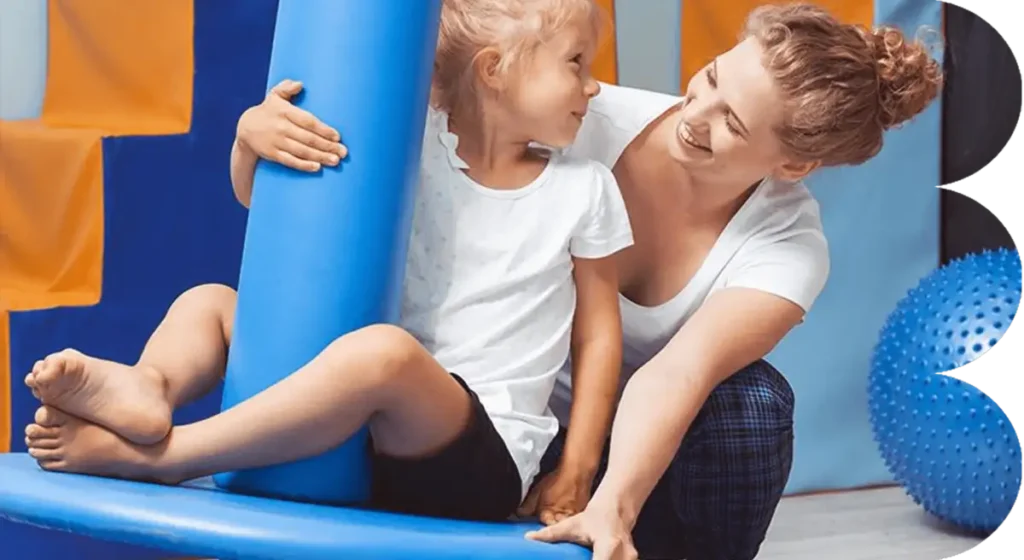
Sensory integration therapy
Sensory integration (SI) therapy is a specialist form of support that helps children to better perceive, organise and interpret stimuli from their environment.
It is primarily used with children with sensory processing disorders, including those on the autism spectrum or with ADHD, as well as with children experiencing difficulties with learning, motor coordination and motor development.
The aim of the therapy is to improve the child’s ability to cope with everyday situations by enhancing their processing of sensory input and developing the skills needed for learning, play and interacting with their environment.
Hand therapy
Hand therapy is a form of support aimed at developing fine motor skills, covering the shoulder girdle, forearms and hands. Its aim is to improve manual dexterity, which is essential for everyday activities such as drawing, writing and getting dressed.
A variety of techniques are used during therapy, including strengthening and rehabilitation exercises, elements of manual therapy, as well as tasks designed to improve the precision and coordination of hand and finger movements.
Hand therapy supports the development of skills such as grasping, manipulation, hand-eye coordination and motor control, which in turn leads to greater independence for the child.


Sensory diet
A sensory diet is a personalised set of activities designed to help regulate the amount and type of stimuli a child receives. It is used for children with sensory processing difficulties to support the balance of the nervous system and prevent it from becoming overloaded.
It involves consciously providing or limiting certain stimuli throughout the day, depending on the child’s needs.
The aim of a sensory diet is to maintain an optimal level of stimulation, which leads to better functioning in everyday situations, greater concentration and an easier time managing emotions and the challenges of daily life.
Snoezelen Room
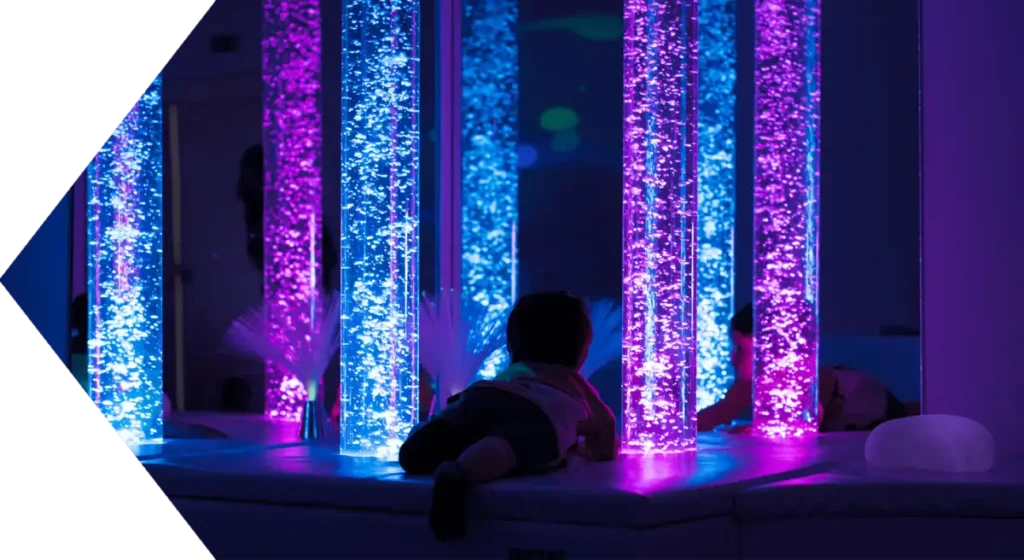
The Sensory Experience Room, known as Snoezelen, is a specially designed therapeutic space that facilitates multisensory experiences in a safe and controlled environment.
During the sessions, visual, auditory, tactile and kinesthetic stimuli are used to help the child regulate their arousal level, calm down or become more active – depending on their needs.
Snoezelen is often used to complement other forms of therapy, supporting sensory development and improving a child’s comfort and ability to cope in everyday situations.
Sensory integration and physiotherapy
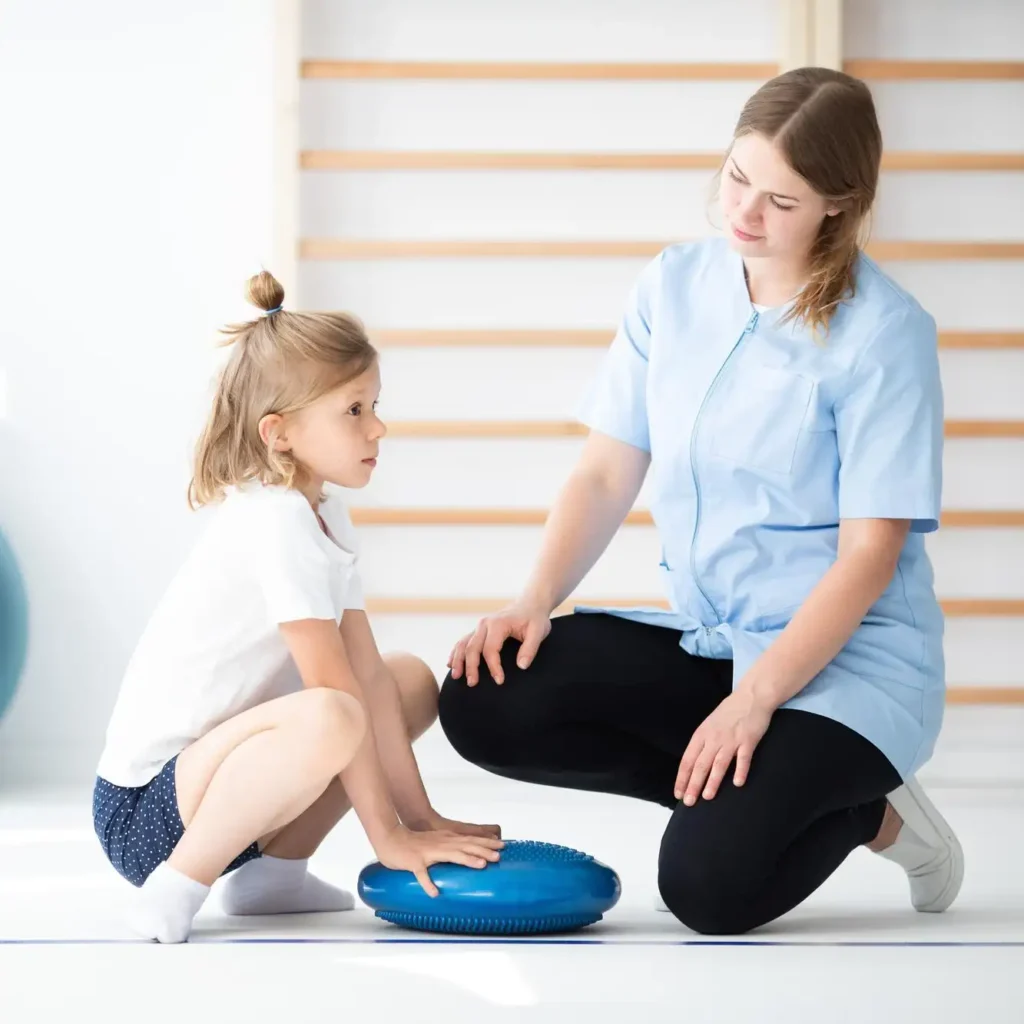
Sensory integration combined with elements of physiotherapy is a therapeutic approach that combines work on sensory processing with simultaneous support for bodily function and posture.
Combining these two areas not only helps to regulate sensory responses, but also influences muscle tone, coordination and the quality of movement. The therapy utilises, amongst other things, movement exercises, elements of posture work and techniques that support the proper functioning of the musculoskeletal system.
This integrated approach makes it possible to work on several areas at the same time, which helps the child to cope better with everyday activities.
Articles
Have a look at our articles on this topic

Hyperactivity – symptoms, causes and ways of coping
Hyperactivity is a term that is cropping up more and more frequently in discussions about the mental health of children, young people and adults. It is sometimes equated solely with an excess of energy, but in reality it is a far more complex phenomenon. It can affect emotions, behaviour, concentration and day-to-day functioning at home, […]

Sensory overload – symptoms, causes and ways of coping
Sensory overload is a condition in which the nervous system receives more stimuli than it is able to process effectively. It can affect anyone, but is particularly common amongst highly sensitive people, those with neurodiversity, and those living under chronic stress. It manifests itself both physically and mentally, affecting day-to-day functioning, relationships and well-being. In […]
Agreements
Sensory integration
You can trust us
Discussions about a child’s development and their day-to-day functioning require attentiveness, a calm demeanour and a great deal of sensitivity.
That is why, at the Dialog Centre for Children and Families, consultations are conducted by experienced sensory integration therapists who work with children and young people. Our specialists possess the relevant qualifications and clinical experience, and join the team following a careful, multi-stage recruitment process.


