



Dialog Centre for Children and Families
Speech and
Language Therapy Assessment in Warsaw
STEP BY STEP
What does a speech and language therapy assessment involve, from start
to finish?
The whole process begins with a pre-diagnostic consultation, followed by
three diagnostic appointments. You don’t have to decide on the full package straight away
— you’ll agree on the scope of the diagnosis together with the specialist at your first appointment.
Speech and language therapy assessment
Pre-diagnostic consultation
During the consultation, the specialist will listen to the concerns raised by the parents, discuss the child’s development to date and make a preliminary assessment of the areas requiring a more detailed assessment. Following the consultation, you will jointly agree on the scope of further assessment and the next steps. The pre-diagnostic consultation is charged separately and is not included in the price of the assessment package.
A detailed interview with the parents
The aim of the meeting is to gather information about the child’s development, their communication skills, how they cope in different situations, and any difficulties that may be affecting their speech development. The conversation is primarily between the parents, so that the child does not feel uncomfortable hearing a discussion about their difficulties.
Speech and language therapy observation and assessment
The specialist assesses the child’s communication skills, their behaviour during interactions, their pronunciation, comprehension and ability to form sentences, as well as their oral functions. They use appropriate diagnostic tools and age-appropriate tasks. If necessary, the assessment may be supplemented by standardised tests or consultations with other specialists on the team.
Discussion of the diagnostic findings
The specialist sets out their conclusions and recommendations for the next steps: speech and language therapy, further consultations or other forms of support. You will receive a written report with recommendations for work at the clinic and at home, as well as clear guidance on what to do next.

The first step is a pre-diagnostic consultation
Book a relaxed consultation with a specialist (250 zł, approx. 50 minutes). You’ll decide together on the next steps.
Criteria for diagnosis
Who is a speech and language therapy assessment
for?
A speech and language therapist assesses children and young people who experience difficulties with speech,
language, voice, swallowing or communication — from babies to teenagers.
If any of the following areas sound familiar, a pre-diagnostic consultation will help determine
whether a full diagnosis is required.

Delayed speech development

Feeding and swallowing

Speech disorders (dyslalia)

Language and communication

Fluency of speech

Voice
What are the benefits?
A diagnosis that leads to a specific plan
Once the diagnostic process is complete, you are not left with just a diagnosis. You receive a report and guidance that genuinely benefit your child — at home, at the clinic and at school.


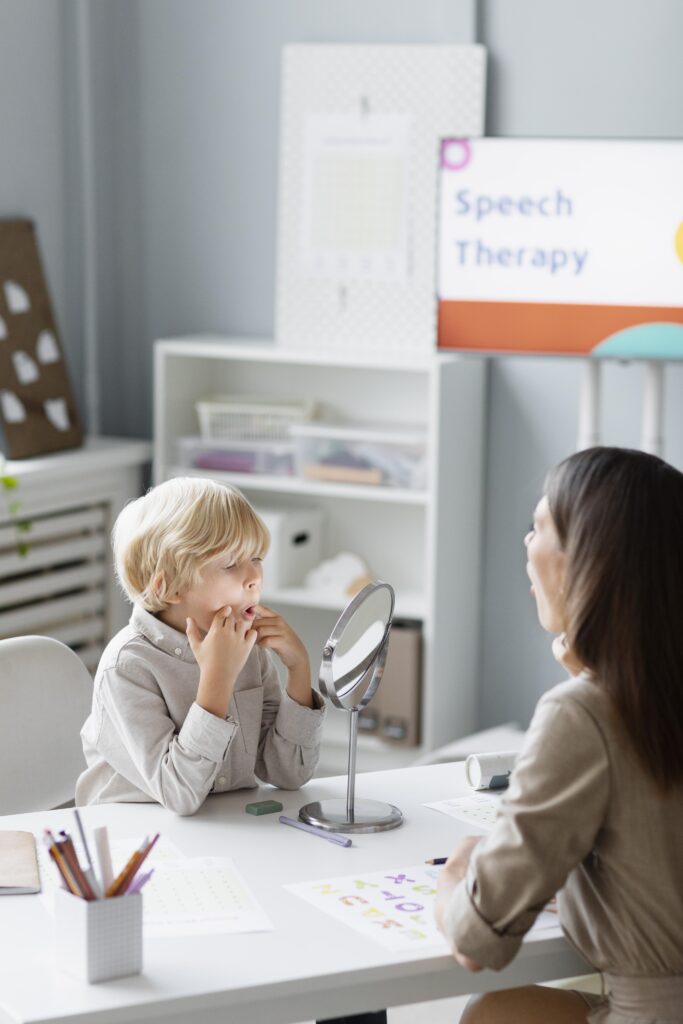
SPEECH AND LANGUAGE THERAPY ASSESSMENT
Take a look inside
The interiors of our Centre
We carry out speech and language therapy assessments at the Dialog Centre for Children and Families in Mokotów,
at 3c Cybernetyki Street (formerly Senso Senso) — in a space designed with the comfort of
children and parents in mind.
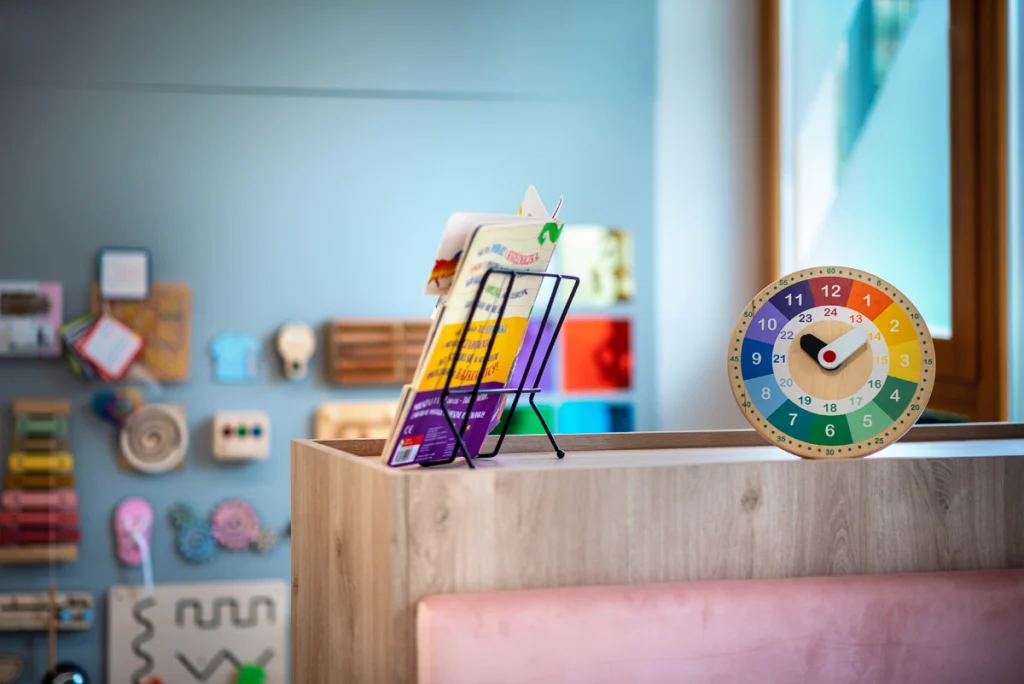
Reception area with toys
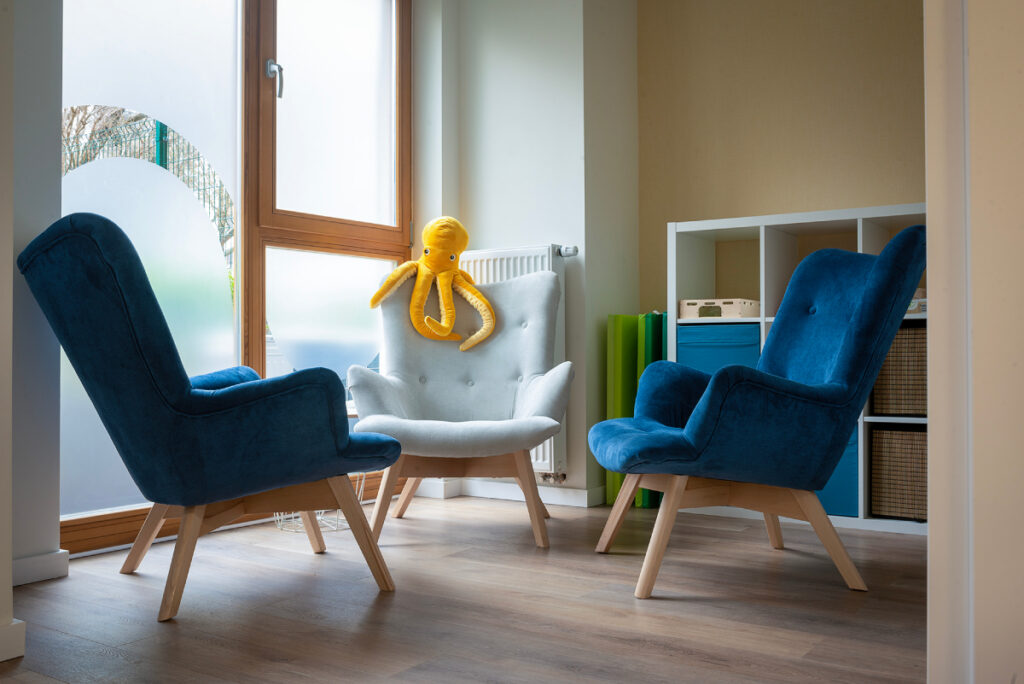
Therapy room
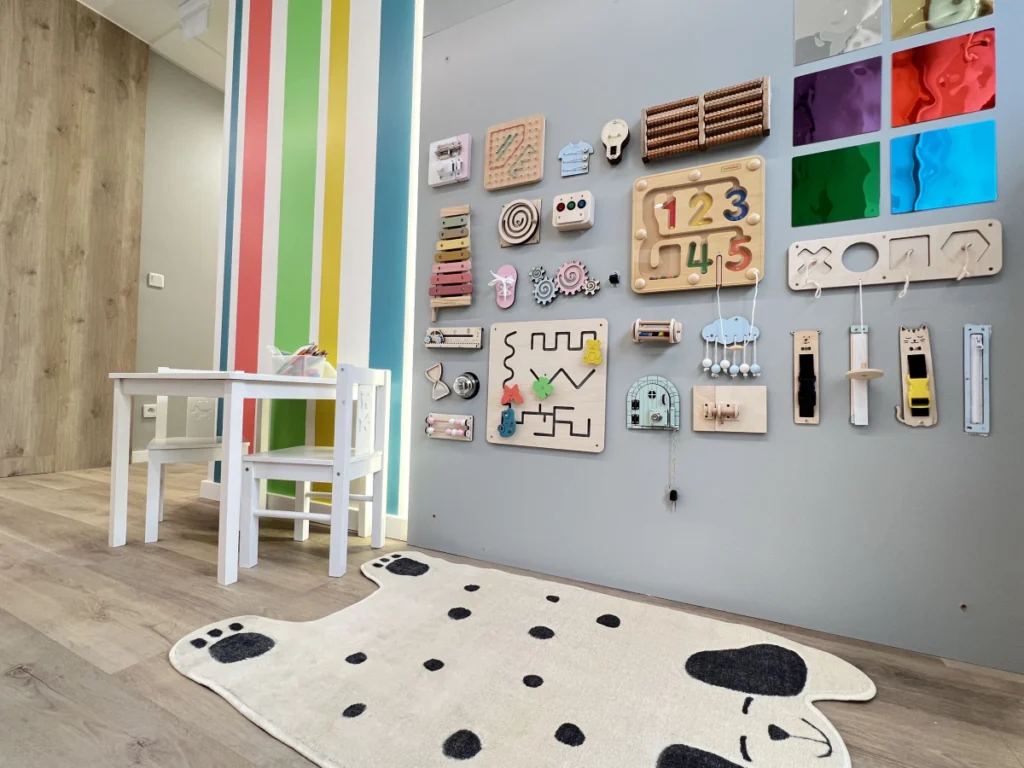
Toys
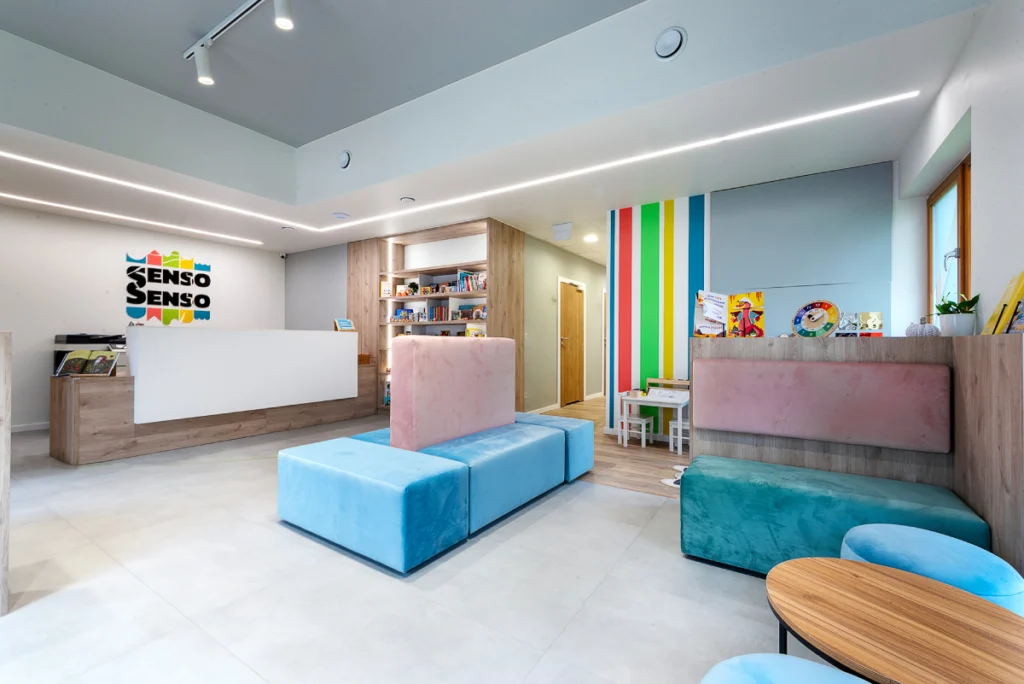
Reception
Reception area
A diagnosis is just the beginning
A comprehensive support pathway, all in one place
The results of the assessment form the basis for drawing up a treatment plan.
At the Dialog Centre for Children and Families, we ensure that work with the child continues within the following areas of specialisation,
without the need to change centres.
What we offer following a diagnosis
Individual speech and language therapy

Speech and language therapy
Myofunctional therapy

ENMOT Electrical Stimulation

Sensory integration therapy
Support from a team of specialists
Not sure where to start? Start with a pre-diagnostic consultation
It’s a relaxed consultation with a specialist, after which you’ll know whether your child needs a diagnosis and, if so, what kind.
Why Dialogue?
Why should you choose a
speech and language therapy assessment at the Dialog Centre for Children and Families?
There are many speech and language therapists in Warsaw. The real difference lies in what the assessment involves,
who carries it out and what happens afterwards.


Articles
Have a look at our articles on this topic

Speech prosody in autism – what it is and how it affects communication
Speech is not just about words and a rich vocabulary, but also about the way we say them. The pace, intonation, stress, rhythm and modulation of our voice enable the listener to understand our intentions and emotions. This is precisely the area that prosody deals with. In the context of neurodiversity, such as autism, this […]